Michael Brown
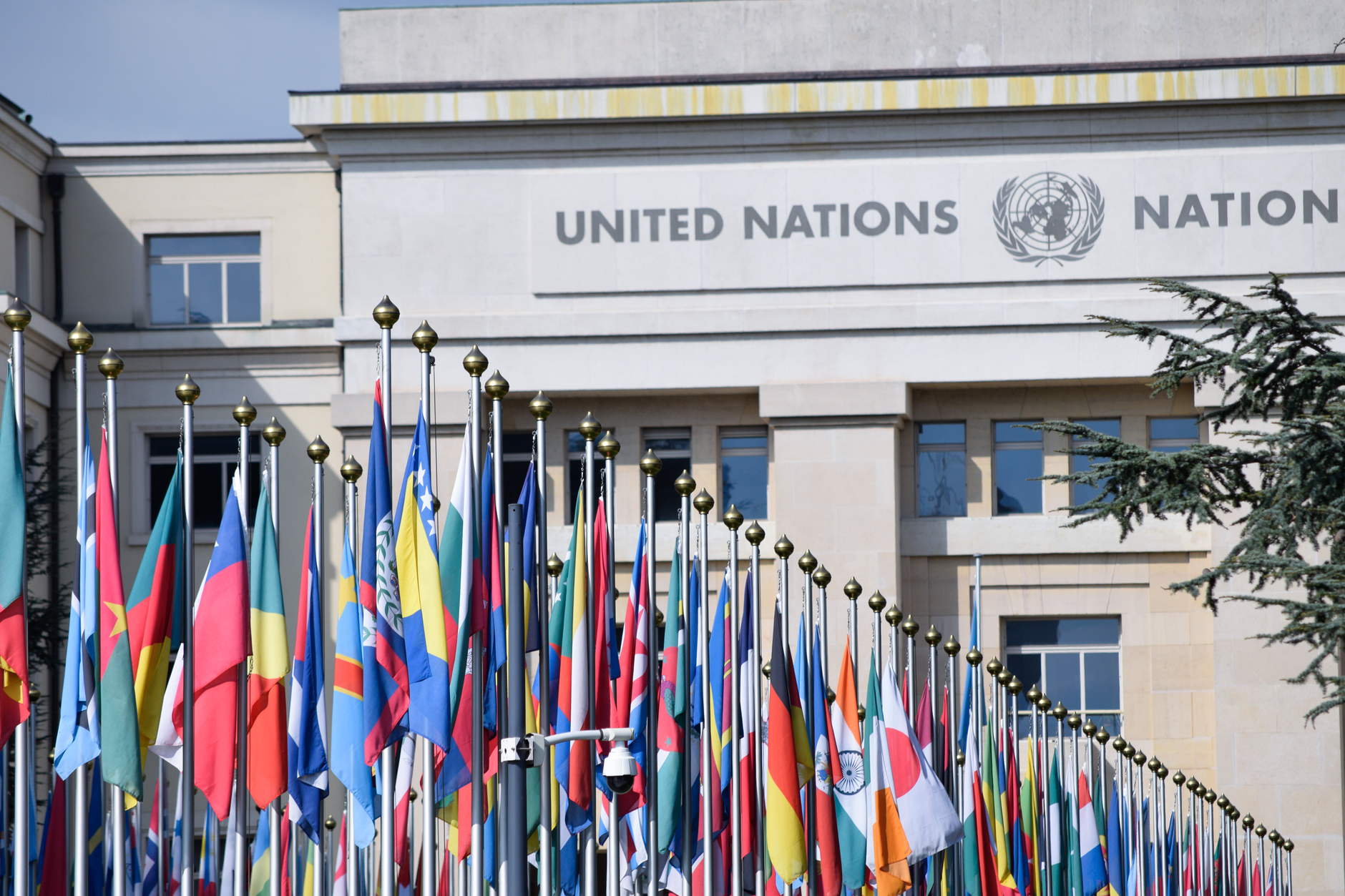
India Turkey UN talks have sparked controversy as India criticizes Turkey for its blatant and intentional exclusion from important discussions.
Background on India Turkey Relations
India and Turkey have maintained a complex relationship that has evolved over the years, shaped by political, economic, and cultural factors. Despite historical ties, recent developments have highlighted growing tensions, particularly in the context of international diplomacy.
The India Turkey UN talks have become a focal point for these tensions, especially following Turkey’s exclusion of India from critical discussions. This exclusion has been perceived by Indian officials as a blatant and intentional move, raising questions about Turkey’s commitment to multilateralism and cooperation.
A series of diplomatic incidents and divergent positions on key global issues have strained ties further. The two nations have had differing views on regional conflicts, with Turkey’s support for certain groups conflicting with India’s strategic interests. Additionally, economic partnerships have been challenged by these political rifts, as both countries seek to strengthen their global standings.
As India voices its concerns over Turkey’s actions, it emphasizes the importance of inclusivity in international forums, arguing that all nations should have a seat at the table. This recent incident may serve as a turning point, compelling both nations to reassess their diplomatic strategies and the implications for their future relations.
The Role of the UN in Global Diplomacy
The United Nations plays a pivotal role in global diplomacy, serving as a platform for dialogue and negotiation among member states. Its structure allows countries to voice their concerns, advocate for their interests, and collaborate on international issues. However, the effectiveness of the UN can sometimes be undermined by the actions of individual member states.
Recent events have highlighted the complexities of international relations, particularly concerning the India Turkey UN talks. The exclusion of India from crucial discussions has raised questions about the transparency and inclusiveness of the UN process. Critics argue that such exclusions can lead to fractured relationships and diminished trust among nations.
In this context, the UN’s role as a mediator becomes more critical. It must ensure that all voices are heard, especially those of emerging powers like India, which has increasingly sought a larger role on the global stage. Without inclusive dialogue, the UN risks becoming a stage for power politics rather than a forum for genuine collaboration.
Moreover, the ongoing tensions can serve as a reminder that diplomacy is not solely about formal negotiations; it also encompasses the ability to build relationships and foster mutual understanding. As the international landscape continues to evolve, the UN must adapt to ensure it remains a relevant and effective mediator in global affairs.
India’s Response to Exclusion
India’s response to its exclusion from the recent UN talks with Turkey has been marked by strong criticism and a call for greater inclusivity in international diplomacy. The Indian government expressed its discontent, labeling Turkey’s actions as blatant and intentional. Officials emphasized that such exclusions undermine the principles of democratic representation and fairness that the UN stands for.
In a statement, a spokesperson for the Ministry of External Affairs remarked, “The exclusion of India from critical discussions not only marginalizes a key player in the region but also raises questions about the integrity of the UN process.” This sentiment reflects India’s growing frustration with its perceived sidelining in international discussions, particularly those involving significant geopolitical issues.
Furthermore, Indian analysts pointed out that India’s strategic importance in global affairs cannot be overlooked. They argue that the exclusion is a tactical misstep on Turkey’s part, as India plays a crucial role in maintaining stability and fostering cooperation in South Asia and beyond.
As the India Turkey UN talks unfold, it remains to be seen how this situation will impact future diplomatic relations. Analysts suggest that constructive dialogue is essential to address the underlying tensions and work towards a more inclusive approach in international negotiations, ensuring that all relevant voices are heard.
Implications for Future UN Talks
The recent India Turkey UN talks have raised significant concerns regarding the implications for future diplomatic engagements. One of the most pressing issues highlighted by India is the potential for a fractured relationship between nations that have traditionally collaborated within the UN framework.
As nations increasingly navigate complex geopolitical landscapes, the exclusion of India from the discussions led by Turkey sends a troubling signal. This incident may encourage other countries to reassess their alliances and diplomatic strategies, particularly in contexts involving multilateral organizations like the UN.
The actions taken during these India Turkey UN talks could foster a climate of mistrust and competition, undermining collaborative efforts to tackle global challenges such as climate change, security, and humanitarian crises. Experts warn that such exclusions might lead to fragmented coalitions where mutual interests are sidelined, potentially diminishing the effectiveness of UN initiatives.
- The potential rise of alternative groupings that exclude major players like India.
- Increased tensions between nations that may feel marginalized.
- The risk of unilateral actions by countries seeking to assert dominance in international forums.
In conclusion, the implications of these recent developments in the India Turkey UN talks extend far beyond bilateral relations, potentially reshaping the landscape of global diplomacy.
Reactions from Other Nations
In the wake of the India Turkey UN talks, reactions from various nations have highlighted the complexities surrounding the diplomatic rift. Many countries have expressed concern over Turkey’s decision to exclude India, viewing it as a detrimental move that could undermine the collaborative spirit of the United Nations.
- United States: A spokesperson from the State Department emphasized the importance of inclusivity in global discussions. The U.S. urged all nations to engage constructively and avoid actions that might escalate tensions.
- Russia: Russian officials echoed similar sentiments, suggesting that diplomatic channels must remain open, particularly among major powers like India and Turkey. They called for a united front to address pressing global issues.
- European Union: The EU representatives voiced their disappointment over the exclusion, noting that it could lead to a fragmentation of alliances within international diplomacy.
- China: While China’s response was more reserved, it highlighted the need for dialogue and cooperation, hinting at its vested interest in maintaining balanced relations with both India and Turkey.
The reactions underscore a growing concern that the India Turkey UN talks could set a precedent for future diplomatic engagements, potentially sidelining crucial players in global issues. As nations rally to express their views, the implications of this move will likely reverberate through international relations for years to come.
The recent developments surrounding the India Turkey UN talks have raised questions about the effectiveness of diplomatic strategies. Critics argue that the India Turkey UN talks may not yield the desired outcomes for either nation.
Photo by Xabi Oregi on Pexels