Michael Brown

Non-aggression pacts NATO could soon be a reality as a Russian diplomat indicates that Moscow is open to concluding such agreements with member states.
Understanding Non-Aggression Pacts
Non-aggression pacts are agreements between two or more countries wherein the signatories commit to abstain from military action against one another. These treaties are designed to foster peaceful relations and prevent conflicts, particularly in regions with historical tensions. With Russia expressing willingness to engage in discussions around non-aggression pacts with NATO member states, this diplomatic overture could signal a shift in the geopolitical landscape.
Such pacts can serve multiple purposes:
- Stability: They provide a framework for reducing the likelihood of military confrontations.
- Trust-building: Engaging in dialogue can enhance mutual trust between former adversaries.
- Strategic positioning: Non-aggression agreements can be used as tools for broader diplomatic negotiations.
As the global community observes these developments, the potential impact on NATO and its relations with Russia remains a key area of interest.
The Role of NATO in Global Security
NATO has long played a crucial role in maintaining global security, acting as a deterrent against potential aggressors and fostering cooperation among member states. The alliance’s commitment to collective defense is enshrined in Article 5 of the North Atlantic Treaty, which asserts that an attack on one member is an attack on all.
In light of recent diplomatic discussions, particularly with Russia’s interest in establishing non-aggression pacts with NATO member states, the alliance faces new challenges and opportunities. Such pacts could lead to a reduction in tensions and foster a more stable geopolitical environment.
However, the implications of these agreements must be carefully considered, as they could reshape existing power dynamics. The role of NATO in global security continues to evolve, requiring a delicate balance between deterrence and diplomacy.
Moscow’s Diplomatic Strategy Explained
Moscow’s recent statements regarding the potential for non-aggression pacts with NATO member states highlight a significant shift in its diplomatic strategy. This approach seeks to stabilize relations with the West while addressing ongoing security concerns. Russian diplomats emphasize that these pacts could serve as a foundation for improved dialogue and cooperation.
By proposing non-aggression pacts, Moscow aims to:
- Reduce tensions along its borders
- Encourage mutual trust among NATO and Russian forces
- Establish a framework for conflict resolution without military confrontation
This strategy reflects Russia’s desire to engage constructively with NATO, despite previous hostilities. As diplomatic channels reopen, the implications for regional security dynamics could be profound, potentially reshaping how NATO member states interact with Moscow.
Potential Impact on European Relations
The potential impact of non-aggression pacts between Moscow and NATO member states could significantly reshape European relations. Such agreements may foster a sense of security and stability, reducing the likelihood of military confrontations. Observers suggest that if these pacts are established, they could:
- Enhance diplomatic dialogue: Non-aggression pacts could serve as a foundation for improved communication between Russia and NATO countries.
- Mitigate tensions: A formal agreement may help alleviate historical fears and suspicions, leading to a more collaborative atmosphere.
- Influence military strategies: NATO member states might adjust their defense postures, viewing these pacts as a sign of reduced hostility.
- Impact economic relations: Stability could encourage increased trade and investment between Russia and its European neighbors.
Ultimately, the establishment of non-aggression pacts could redefine the security landscape in Europe.
Historical Context of Non-Aggression Pacts
The concept of non-aggression pacts has a significant historical context, particularly in the realm of international relations. These agreements, which aim to prevent conflicts between signatory nations, have been employed throughout history to maintain peace and stability.
One of the most notable examples is the German-Soviet Non-Aggression Pact of 1939, which allowed for a period of cooperation between the two powers before the outbreak of World War II. Since then, various nations have utilized similar pacts to foster diplomatic relations.
In contemporary times, the focus has shifted to the potential for non-aggression pacts with NATO member states. This move by Moscow reflects a strategic desire to ease tensions and establish a more stable European security landscape.
Such agreements could significantly influence the geopolitical dynamics in Europe, shaping future interactions among NATO and non-NATO countries.
Reactions from NATO Member States
Reactions from NATO member states have been mixed following Russia’s proposal for non-aggression pacts. Some members view this initiative with skepticism, considering it a strategic maneuver rather than a genuine effort for peace. Others, however, see potential in exploring diplomatic channels to reduce tensions.
- The United States has emphasized the importance of maintaining a strong defense stance, urging allies to remain vigilant.
- Germany has expressed cautious openness, suggesting that dialogue could help de-escalate current tensions in Europe.
- Poland remains firmly opposed, arguing that non-aggression pacts could undermine NATO’s collective security commitments.
Overall, the response highlights a significant divide among NATO member states regarding Moscow’s proposal for non-aggression pacts, reflecting broader concerns about security and trust in the region.
Future of Russia-NATO Relations
The future of Russia-NATO relations remains uncertain as the prospect of non-aggression pacts continues to be a topic of discussion. Russian diplomats have indicated a willingness to explore agreements that could ease tensions between Moscow and NATO member states. Such pacts may pave the way for a more stable security environment in Europe.
However, skepticism persists among NATO countries regarding Russia’s intentions. The history of geopolitical conflicts and competing interests makes the establishment of trust a significant challenge. Furthermore, the effectiveness of non-aggression pacts in preventing future confrontations is still up for debate.
As both sides navigate this complex landscape, the implications of these potential agreements could influence broader diplomatic relationships. Observers will be closely monitoring developments to assess whether these non-aggression pacts can truly foster peace and cooperation or merely serve as temporary diplomatic gestures.
In recent months, the discussion surrounding non-aggression pacts NATO has gained significant traction among international relations experts. As Moscow seeks to strengthen its diplomatic ties, the implications of non-aggression pacts NATO could reshape the geopolitical landscape in Europe.
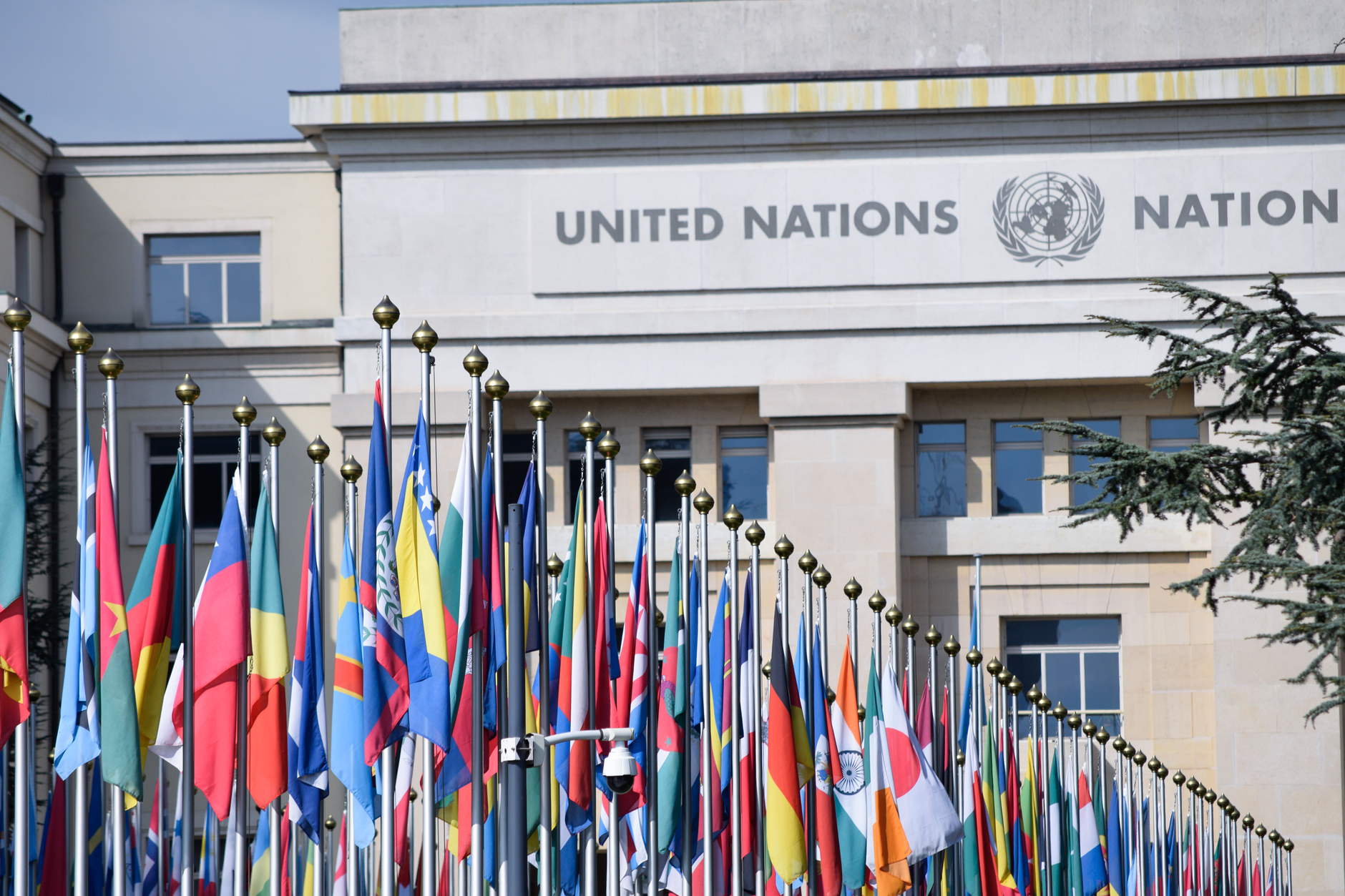
Photo by Markus Spiske on Pexels