
 Michael Brown
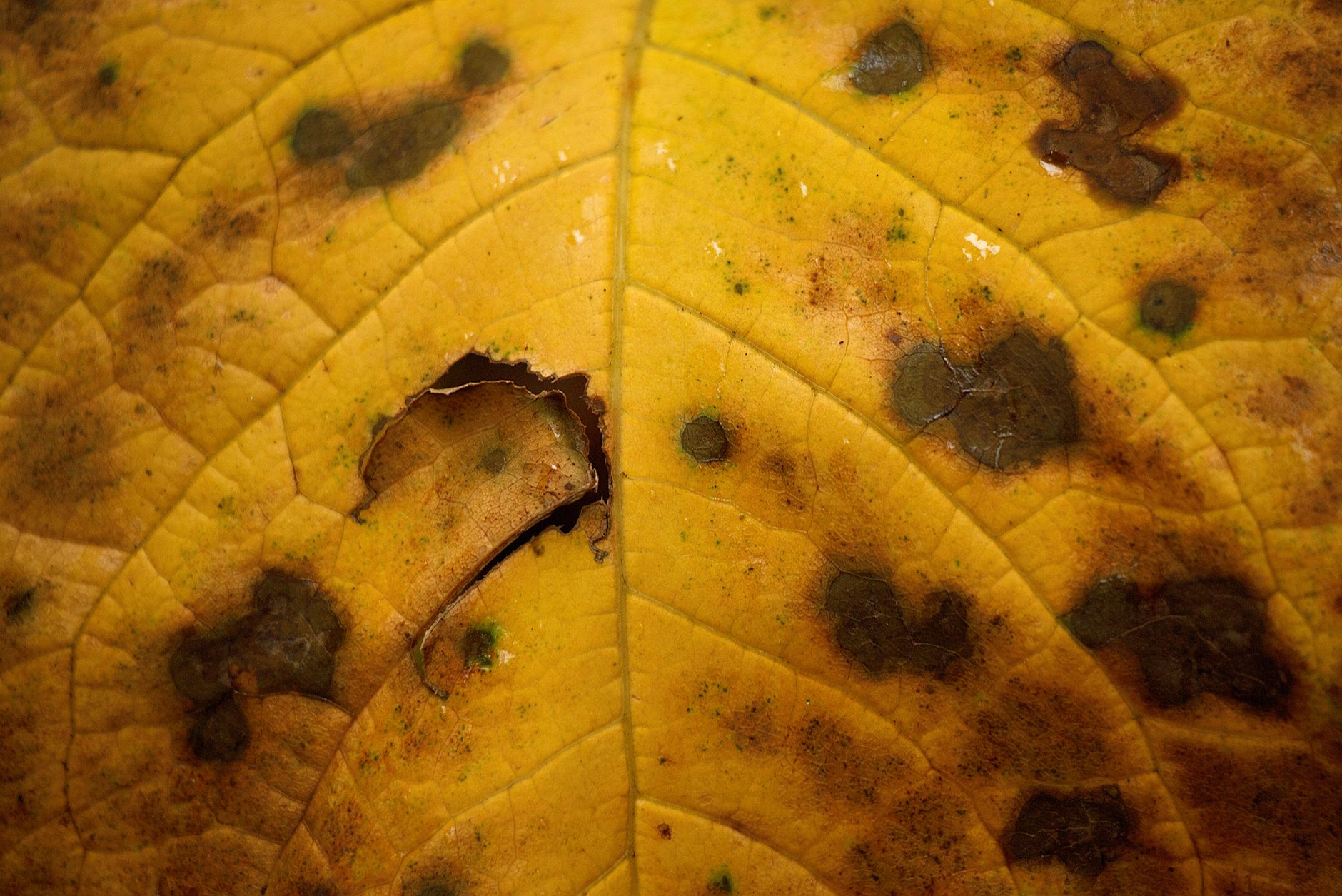
A new fungal disease has been found in Tulip Garden for the first time, alarming local horticulturists and plant enthusiasts alike.
Understanding the new fungal disease
Recently, a new fungal disease has been identified for the first time in a Tulip Garden in India, raising concerns among horticulturists and botanists alike. This discovery marks a significant event in the study of plant diseases, especially in such a prominent floral region.
Understanding the implications of this new fungal disease is crucial for protecting tulip populations and maintaining biodiversity. The disease, which has yet to be extensively studied, appears to affect the health and longevity of the tulip plants. Symptoms include:
- Yellowing of leaves
- Wilting stems
- Stunted growth
- Discoloration of flowers
Experts suggest that environmental factors, such as humidity and temperature, may play a significant role in the proliferation of this pathogen. The new fungal disease could also have broader implications for other flowering plants in the region, necessitating immediate research and intervention to mitigate its spread.
As this situation develops, agricultural officials are urged to monitor affected areas closely and implement preventive measures. The health of the Tulip Garden is not only vital for local tourism but also for conservation efforts in preserving native plant species.
Impact on Tulip Garden
The recent discovery of a new fungal disease in the Tulip Garden has raised significant concerns among horticulturists and garden enthusiasts alike. This fungal infection, which was identified for the first time in this region, poses a serious threat to the vibrant tulip species that attract visitors from far and wide.
Experts have noted the following potential impacts on the Tulip Garden:
- Decline in Tulip Health: The new fungal disease can lead to wilting and discoloration of tulip leaves, ultimately affecting their overall health and blooming capacity.
- Economic Consequences: The Tulip Garden is a vital source of tourism revenue. A significant decline in tulip health may deter visitors, impacting local businesses reliant on this influx.
- Ecological Balance: The introduction of this fungal disease could disrupt the local ecosystem, potentially affecting other plant species and the wildlife that depends on them.
- Research and Management Efforts: Garden officials are now faced with the challenge of implementing effective management strategies to combat the spread of this new fungal disease.
As authorities and experts mobilize to address this issue, the future of the Tulip Garden hangs in the balance.
Preventative measures for gardeners
As the new fungal disease continues to pose a threat to tulip gardens, it is crucial for gardeners to adopt effective preventative measures. Here are some key strategies to help protect tulips from this emerging issue:
- Regular Monitoring: Gardeners should frequently inspect their tulips for any signs of fungal infection, such as discoloration or wilting leaves. Early detection is vital in managing the spread of the new fungal disease.
- Proper Watering Techniques: Overwatering can create an environment conducive to fungal growth. It is recommended to water tulips at the base rather than from above to minimize moisture on the leaves.
- Soil Health: Ensuring that the soil is well-drained and rich in nutrients can help strengthen plants against diseases. Incorporating organic matter can improve soil structure and reduce the risk of infection.
- Plant Rotation: To prevent the build-up of pathogens in the soil, gardeners should practice crop rotation by planting tulips in different locations each season.
- Use of Fungicides: In cases where fungal infections are detected, applying appropriate fungicides can be an effective measure. Consult a horticulturist for the best options specific to the new fungal disease.
By implementing these strategies, gardeners can help safeguard their tulip gardens from the detrimental effects of the new fungal disease.
Expert opinions on the discovery
Experts in mycology have expressed concern over the recent discovery of a new fungal disease in the Tulip Garden, marking the first time such a pathogen has been identified in this region. Dr. Aditi Sharma, a leading plant pathologist, emphasized the potential implications for local horticulture. “This new fungal disease poses a significant threat not only to tulips but also to the biodiversity of the area,” she stated.
Moreover, Dr. Rajiv Malhotra, an agricultural scientist, highlighted the urgency of research into effective treatments. “Understanding the biology of this fungal disease is crucial for developing strategies to combat its spread,” he noted during a recent seminar.
In response to these findings, several gardening associations are urging members to monitor their tulip plants closely. “Gardeners need to be vigilant and report any unusual symptoms,” advised Mary Johnson, president of the Tulip Enthusiasts Society.
Experts are also advocating for increased collaboration between researchers and local gardeners to share knowledge and resources. “Community engagement will be vital to managing this new fungal disease effectively,” concluded Dr. Sharma.
Future implications for horticulture
The discovery of a new fungal disease in the Tulip Garden has raised significant concerns for the future of horticulture, particularly in regions where tulips are a staple attraction. As this disease spreads, its implications could be far-reaching, affecting not only the aesthetic appeal of gardens but also the economic viability of tulip cultivation.
Experts warn that if the new fungal disease is not controlled, it could lead to a decline in tulip populations, affecting local nurseries and the tourism industry that thrives on floral displays. The potential for loss in biodiversity is also a pressing concern, as tulips play a crucial role in many ecosystems.
In response to this threat, horticulturists are urged to adopt more rigorous disease management practices. This includes:
- Increased monitoring: Regular inspections of tulip plants can help in early detection.
- Research funding: Investment in research is vital to develop resistant varieties of tulips.
- Public awareness: Educating gardeners and the community about the signs of infection can aid in containment.
Ultimately, the horticultural community must unite to address the challenges posed by the new fungal disease and safeguard the future of tulip cultivation.
Photo by Bram on Pexels
Where this came from
US Aircraft Carrier: The Right Move Amid Iran Tensions · Euclid data release: Proven discoveries that excite scientists · Polycab India meetings: What are the best insights shared?


