Michael Brown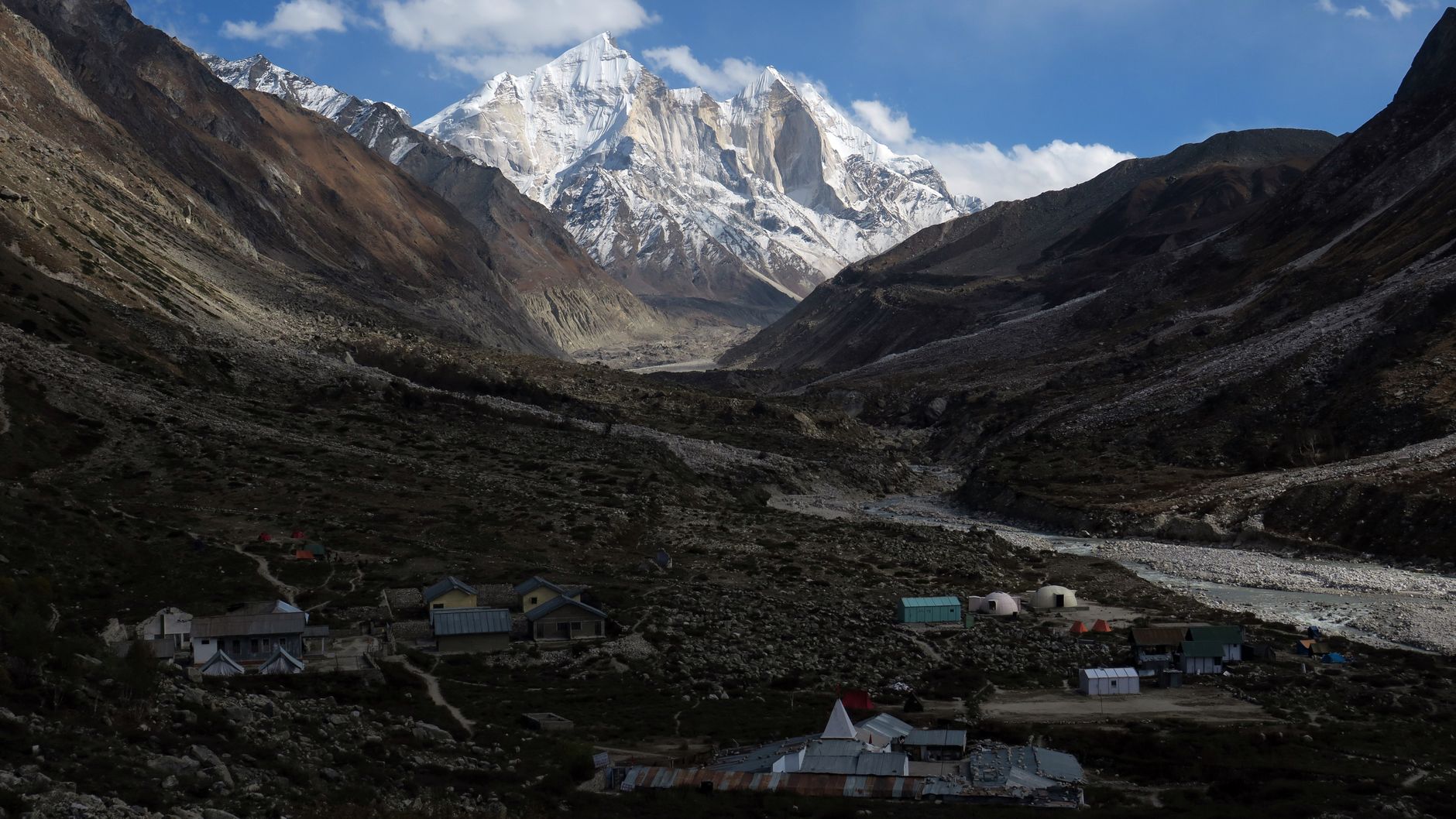
Uttarakhand glaciers retreat is becoming a pressing concern as recent studies show they are losing an average of 23 meters per year. This alarming trend highlights the urgent need for climate action.
Impact of Glacial Retreat on Local Ecosystems
The alarming rate of Uttarakhand glaciers retreat poses significant threats to local ecosystems. As glaciers melt at an average of 23 meters a year, the repercussions are being felt across various environmental domains.
- Water Resources: The retreating glaciers contribute to changes in river flow, affecting the availability of freshwater for communities and agriculture.
- Biodiversity Loss: Many species that depend on cold-water habitats are at risk, leading to potential extinctions and the disruption of food webs.
- Soil Erosion: Increased sedimentation in rivers due to melting glaciers can result in soil degradation, affecting agriculture and leading to landslides.
- Climate Feedbacks: The loss of reflective ice surfaces accelerates warming, as darker land absorbs more heat, further exacerbating climate change.
In summary, the Uttarakhand glaciers retreat has far-reaching implications not just for the immediate environment but also for the larger climate system, highlighting the urgent need for conservation efforts.
Causes Behind Glacial Melting
The rapid Uttarakhand glaciers retreat is primarily attributed to a combination of human-induced and natural factors. The following elements are contributing significantly to this phenomenon:
- Climate Change: Rising global temperatures are the leading cause of glacial melting, resulting in increased temperatures in the Himalayas.
- Deforestation: The extensive removal of trees for agriculture and urbanization reduces the area of snow retention, exacerbating glacial retreat.
- Pollution: Black carbon and other pollutants settle on glaciers, decreasing their reflectivity and leading to accelerated melting.
- Water Management Practices: Unplanned water resource management can lead to changes in local hydrology, impacting the stability of glaciers.
- Geological Factors: Natural geological processes can contribute to the instability and retreat of glaciers over time.
Addressing these causes is essential to mitigate the effects of the Uttarakhand glaciers retreat and protect the region’s fragile environment.
Future Projections for Uttarakhand Glaciers
Future projections for Uttarakhand glaciers suggest a concerning trend, with significant implications for the region’s ecosystem and water resources. Research indicates that, without immediate intervention, these glaciers could continue to retreat at alarming rates. The average annual retreat of 23 meters could escalate, potentially leading to some glaciers losing up to 88 meters within the next few decades.
Experts emphasize that the ongoing Uttarakhand glaciers retreat will exacerbate water scarcity during dry seasons, affecting both agriculture and drinking water supplies for local communities. Additionally, the increased melting may lead to greater risks of glacial lake outburst floods, posing threats to infrastructure and human safety.
Climate models predict that rising temperatures will further accelerate this process. It is crucial for policymakers to prioritize sustainable practices and invest in climate adaptation strategies to mitigate the long-term effects of glacial retreat in Uttarakhand.
Without proactive measures, the future of Uttarakhand’s glaciers appears increasingly bleak.
Community Responses to Climate Change
As the Uttarakhand glaciers retreat, local communities are taking proactive steps to address the challenges posed by climate change. Many residents have begun to engage in sustainable practices to mitigate the effects of glacial melting.
Community initiatives include:
- Planting trees: Several villages have organized tree-planting drives to combat soil erosion and enhance biodiversity.
- Water conservation: Residents are implementing rainwater harvesting systems to ensure water availability during dry spells exacerbated by diminishing glacial resources.
- Awareness campaigns: Local NGOs are conducting workshops to educate communities about the impact of climate change, emphasizing the urgent need for collective action.
- Promoting sustainable tourism: Efforts are underway to develop eco-friendly tourism that respects the fragile environment while providing economic opportunities.
These grassroots movements reflect a growing recognition of the importance of community involvement in addressing the consequences of Uttarakhand glaciers retreat and preserving the region’s natural heritage.
Photo by INDU BIKASH SARKER on Pexels
Where this came from
Talking to Kids About GLP-1s: The Right Way to Approach It · India US tariff timeline: The Worst Duty Increases Explained · Birthday wishes to PM Modi: Right and Smart Messages