Michael Brown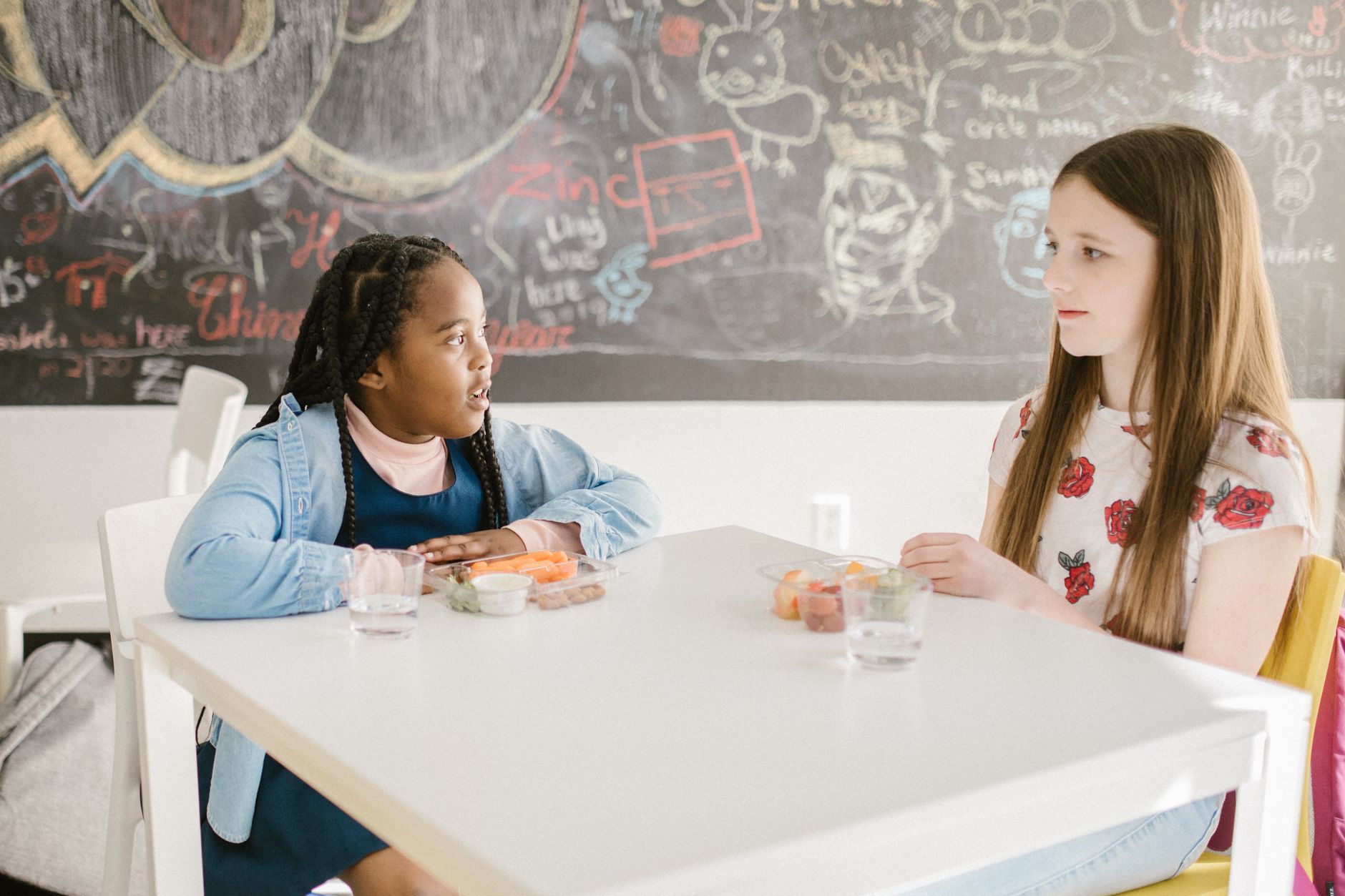
Talking to kids about GLP-1s can be challenging for parents. As millions of families navigate the complexities of medication, it’s crucial to find the right approach to discuss it with children.
Understanding GLP-1s and Their Impact
GLP-1s, or glucagon-like peptide-1 receptor agonists, are medications primarily used to manage type 2 diabetes and obesity. These drugs work by enhancing the body’s insulin secretion, reducing appetite, and slowing gastric emptying. As millions of parents incorporate GLP-1s into their health routines, it becomes essential to approach the topic thoughtfully when discussing it with children.
Talking to kids about GLP-1s can help demystify the medication and promote a healthy understanding of health and wellness. Here are some key points to consider:
- Age Appropriateness: Tailor your conversation based on the child’s age. Younger children may require simpler explanations, while older kids can handle more detailed discussions.
- Focus on Health: Emphasize the importance of maintaining a healthy lifestyle, including balanced eating and regular exercise, rather than solely concentrating on weight loss.
- Be Honest: If the topic arises, share your reasons for using GLP-1s, but frame it positively, highlighting the benefits of feeling better and being healthier.
- Encourage Questions: Create an open environment where children feel comfortable asking questions about GLP-1s and their effects.
Ultimately, effective communication about GLP-1s can empower children to view health treatments as part of a broader journey towards wellness.
Why Parents Are Choosing GLP-1s
As more parents turn to GLP-1 medications for weight management and health improvement, it becomes essential to address how to discuss this topic with their children. Many parents are seeking effective ways to explain their choices, particularly in a society that often stigmatizes discussions about weight and health. The conversation can be particularly challenging, as parents want to ensure their children understand the importance of healthy lifestyle choices without fostering negative body image.
One reason parents are choosing GLP-1s is their proven efficacy in promoting weight loss and improving metabolic health. These medications can help individuals lead healthier lives, which is a positive message that parents can share with their kids. Open discussions can help demystify the medications, allowing children to ask questions and express their feelings.
Parents are also motivated by the desire to set a good example. By openly discussing their journey with GLP-1s, they hope to instill a sense of responsibility regarding health and wellness in their children. Additionally, addressing concerns about GLP-1s can foster a supportive environment, where children learn to prioritize their well-being and understand that seeking help for health issues is a sign of strength, not weakness.
The Right Age to Talk About Medications
Determining the appropriate age to discuss medications like GLP-1s with children can be a nuanced decision for parents. It’s essential to consider both the child’s maturity and their ability to understand complex health topics.
Typically, children around the age of 7 to 10 begin to grasp basic concepts of health and wellness. During this developmental stage, they may start asking questions about what medications are and why people take them. It’s a good time to introduce the idea of GLP-1s in a simplified manner, focusing on their role in managing health.
As children enter their pre-teen years, around ages 11 to 13, they are often more curious and capable of understanding more intricate discussions. At this age, parents can delve deeper into the specifics of GLP-1s, discussing how they work and why they are prescribed, especially if they are relevant to family health.
When engaging in conversations about GLP-1s, it is vital for parents to create an open atmosphere where children feel comfortable asking questions. Parents should also tailor their explanations based on the child’s level of understanding, ensuring that the information is accessible and appropriate for their age.
Involving children in discussions about GLP-1s can help demystify medications and foster a sense of responsibility regarding their health.
How to Explain GLP-1s to Kids
When it comes to talking to kids about GLP-1s, simplicity and clarity are essential. It’s important to break down complex concepts into digestible pieces that children can understand. Start by explaining that GLP-1s are medications that help people manage their weight and blood sugar levels, often used by adults who may struggle with these issues.
To facilitate a better understanding, parents can use relatable analogies. For example, you might say that GLP-1s act like helpful coaches for the body, guiding it on how to use food for energy. This metaphor can help children grasp the purpose of the medication without overwhelming them with scientific jargon.
Additionally, consider the following tips:
- Encourage Questions: Let kids ask anything they want to know. This promotes an open dialogue.
- Be Honest: Share what you know about GLP-1s and why they are beneficial.
- Use Age-Appropriate Language: Tailor your explanations to match your child’s age and comprehension level.
- Reassure Them: Explain that taking medication is sometimes necessary and that it’s okay to seek help when needed.
By fostering a supportive environment, parents can help demystify GLP-1s for their children, paving the way for healthy discussions about nutrition and wellness.
Common Questions Kids Might Ask
When discussing GLP-1s with children, it’s natural for them to have questions. Addressing their curiosity thoughtfully can help them understand the topic better. Here are some common questions kids might ask:
- What are GLP-1s? Kids may want to know what GLP-1s are and how they work. Explain that they are medications that help people manage their weight and blood sugar levels.
- Why are people taking them? Children might be curious about why adults choose to take GLP-1s. Share that many are looking to improve their health or lose weight.
- Are GLP-1s safe? Assure them that these medications are prescribed by doctors and are safe when used correctly.
- How do they make you feel? Kids might wonder about the effects of GLP-1s. Be honest but age-appropriate in explaining that they can help people feel better without going into too much detail.
- Can kids take them too? Clarify that GLP-1s are usually prescribed for adults and that kids have different health needs.
Encouraging open dialogue about GLP-1s can help demystify medications and promote healthy conversations around health and wellness.
Addressing Concerns About Weight and Health
Addressing concerns about weight and health when talking to kids about GLP-1s can be challenging for parents. It is essential to approach the topic with sensitivity and understanding, as children’s perceptions of weight can be influenced by many factors, including media and peer discussions.
When discussing GLP-1s, parents should emphasize the importance of health over appearance. Here are some key points to consider:
- Focus on overall health: Explain that GLP-1s are used to help manage health conditions, not just for weight loss.
- Encourage open dialogue: Invite children to share their thoughts and feelings about weight and health, fostering a safe space for discussion.
- Educate on body positivity: Teach kids to appreciate their bodies for what they can do, rather than how they look.
- Promote healthy habits: Discuss the importance of balanced nutrition and regular physical activity as part of a healthy lifestyle.
By framing the conversation around health and well-being, parents can help their children understand the role of GLP-1s without instilling negative body image concerns. This thoughtful approach can empower kids to make healthier choices as they grow.
Encouraging Open Conversations
Encouraging open conversations about medications like GLP-1s is essential for fostering a healthy dialogue between parents and children. When discussing complex topics, it’s crucial to create an environment where kids feel comfortable asking questions and expressing their thoughts.
Here are some tips to facilitate these discussions:
- Be Approachable: Let your children know that they can come to you with any questions. Make time for these conversations and be an active listener.
- Use Simple Language: Avoid medical jargon. Explain GLP-1s in a way that is age-appropriate, using analogies or examples they can relate to.
- Encourage Curiosity: Invite your children to share their feelings about health and medications. Validate their emotions and concerns, reinforcing that it’s okay to talk about these topics.
- Share Personal Experiences: If you are taking GLP-1s, share your journey. Explain why you made this choice and how it affects your daily life.
- Reassure Them: Emphasize that taking medications is a personal choice and that everyone’s health journey is different.
Ultimately, encouraging open conversations about GLP-1s helps demystify the topic and allows children to develop a better understanding of health and wellness.
Resources for Parents on GLP-1s
Parents seeking to educate their children about GLP-1s can access various resources to facilitate discussions. These materials are designed to help parents communicate effectively while ensuring that children grasp the essential concepts in a child-friendly manner.
- Books: Numerous children’s books address health and wellness topics, including medications. Look for titles that explain how the body works and the role of medications in a relatable way.
- Online Articles: Websites such as health organizations and parenting blogs often feature articles focused on GLP-1s. These can provide insights on how to approach conversations with kids.
- Support Groups: Connecting with other parents who are navigating similar situations can provide valuable perspectives and tips. Online forums or local support groups can be excellent resources.
- Professional Guidance: Consulting with healthcare professionals can also offer tailored advice on how to discuss GLP-1s with children, addressing specific concerns and questions that may arise.
Utilizing these resources can empower parents to engage in meaningful discussions about GLP-1s, fostering understanding and openness within the family.
When talking to kids about GLP-1s, it’s essential to use language they can easily understand. Engaging them in a conversation about the benefits and importance of these medications can help demystify the topic.
Photo by RDNE Stock project on Pexels
References
Related stories
India US tariff timeline: The Worst Duty Increases Explained · Birthday wishes to PM Modi: Right and Smart Messages · Jewish delis comeback: The Proven Path to Deliciousness