
 Michael Brown
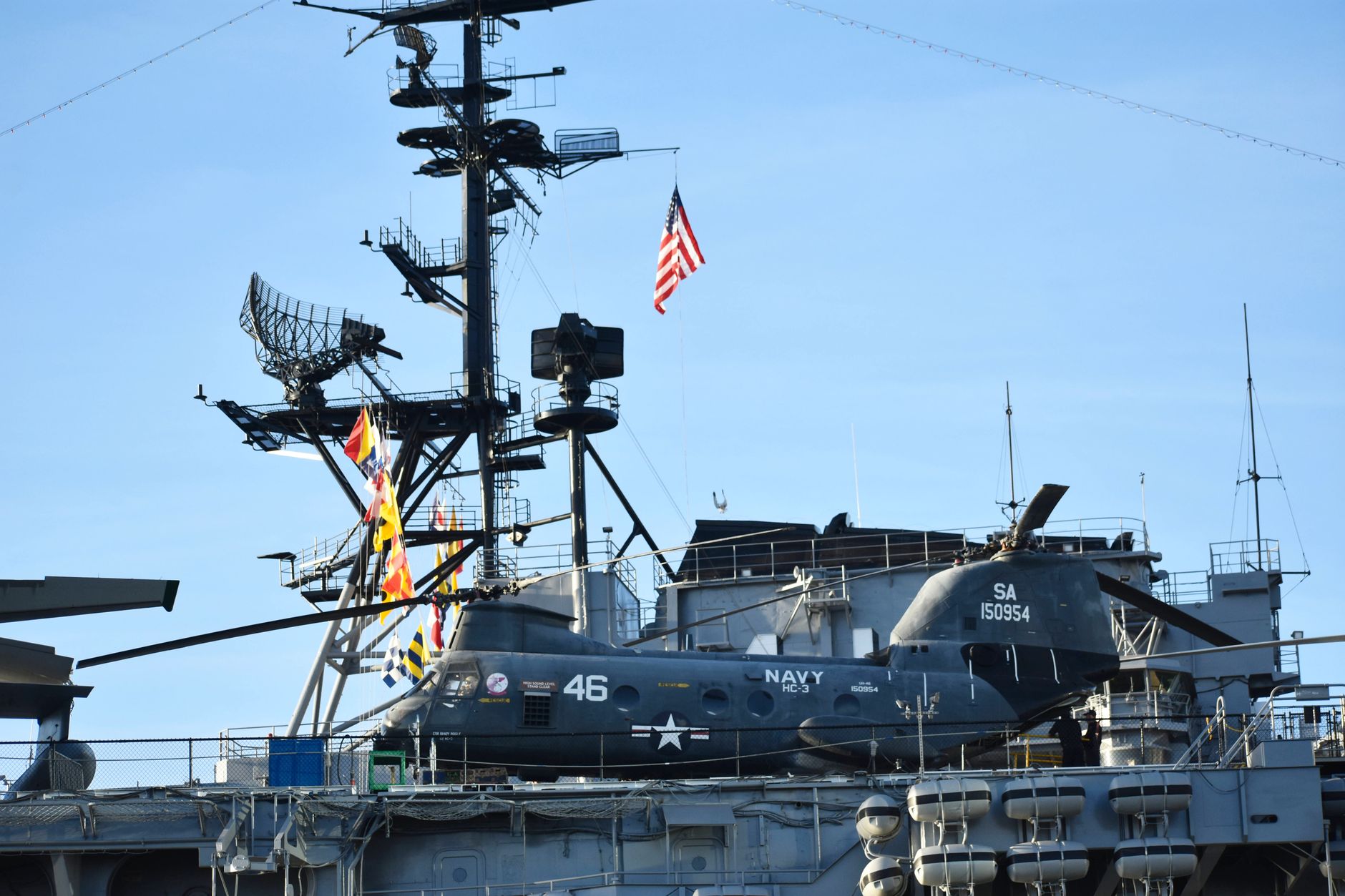
US aircraft carrier presence in the Middle East has increased with the arrival of the third carrier, amid rising tensions as Iran rules out nuclear inspections.
US Aircraft Carrier Arrivals
The recent arrival of a third US aircraft carrier in the Middle East has heightened tensions in the region, particularly amid ongoing concerns regarding Iran’s nuclear program. This strategic deployment underscores the United States’ commitment to maintaining stability and deterring potential threats from Iran.
As the situation evolves, military analysts are closely monitoring the implications of this buildup. The USS Gerald R. Ford, one of the most advanced aircraft carriers in the US Navy, has joined the USS Dwight D. Eisenhower and USS Nimitz in the region. This concentration of naval power is seen as a clear signal to both allies and adversaries about America’s military readiness.
Key factors surrounding the arrival of these carriers include:
- Military Deterrence: The presence of a formidable naval force serves to deter aggressive actions from Iran and reassure regional partners.
- Support for Allies: The US aircraft carriers are positioned to support allies in the Gulf region, enhancing collective security efforts.
- Strategic Operations: They provide a platform for a wide range of military operations, including surveillance and humanitarian assistance if necessary.
The arrival of these vessels is a pivotal moment in the ongoing geopolitical landscape, emphasizing the importance of US military presence in the Middle East.
Iran’s Nuclear Inspection Stance
Iran’s recent declaration regarding its nuclear program has raised significant concerns among international observers. The country has firmly ruled out any further nuclear inspections, a move that many analysts believe could escalate tensions in the region. This decision comes at a time when the presence of a US aircraft carrier in the Middle East is seen as a critical deterrent against potential aggressions.
The Iranian government has stated that it views the inspections as intrusive and unnecessary, asserting its right to develop its nuclear capabilities without external oversight. This stance has prompted a strong response from Western nations, particularly the United States, which maintains that transparency and compliance with international agreements are essential for regional stability.
The implications of Iran’s position are profound, as it signals a potential pivot toward more aggressive posturing. In response to this development, the United States has increased its military presence in the region, with the deployment of additional naval forces. Analysts suggest that the arrival of a US aircraft carrier may serve not only as a show of strength but also as a message to Tehran that any attempts to further its nuclear ambitions will not go unchecked.
With ongoing negotiations stalled, the situation remains precarious, and the international community is closely monitoring Iran’s actions in the coming weeks.
Military Strategy in the Middle East
The deployment of the US aircraft carrier has become a pivotal element in the ongoing military strategy in the Middle East. As tensions with Iran escalate, the presence of these naval assets serves multiple strategic purposes. The US aims to demonstrate its commitment to regional allies and to deter Iranian aggression.
Key aspects of this military strategy include:
- Show of Force: The arrival of the US aircraft carrier provides a visible reminder of American military power in the region, signaling to both allies and adversaries that the US is prepared to respond to threats.
- Support for Allies: The carrier’s presence reassures US allies in the Middle East, such as Israel and Gulf states, that they have a reliable partner against potential destabilizing actions from Iran.
- Naval Readiness: The aircraft carrier enhances the US Navy’s operational capabilities, allowing for rapid response to any emerging crises.
- Intelligence Gathering: With advanced surveillance systems on board, the carrier can contribute to monitoring Iranian activities, providing crucial information to US military leaders.
As the situation unfolds, the effectiveness of the US aircraft carrier in maintaining stability and deterring conflict will be closely scrutinized by both military analysts and policymakers.
Global Reactions to US Deployments
The deployment of the US aircraft carrier has sparked a range of global reactions, reflecting the heightened tensions in the Middle East. Countries across the region and beyond are closely monitoring the situation, given its potential implications for international security.
Several nations have expressed support for the US presence, viewing it as a necessary measure to counter Iran’s aggressive posture. Key allies, including:
- Israel – has welcomed the increased military presence, seeing it as a deterrent against Iranian threats.
- Saudi Arabia – supports the US strategy, emphasizing the need for a united front against shared adversaries.
- United Kingdom – has reiterated its commitment to working alongside the US in maintaining stability in the region.
Conversely, some nations have criticized the US actions, arguing that the deployment of the aircraft carrier could escalate tensions further. Russia and China have both voiced concerns, suggesting that military buildups may provoke conflict rather than promote peace.
As the situation evolves, the global community remains divided on the best approach to address the complexities surrounding Iran’s nuclear ambitions and regional security challenges.
Photo by I Bautista on Pexels


