
 Michael Brown
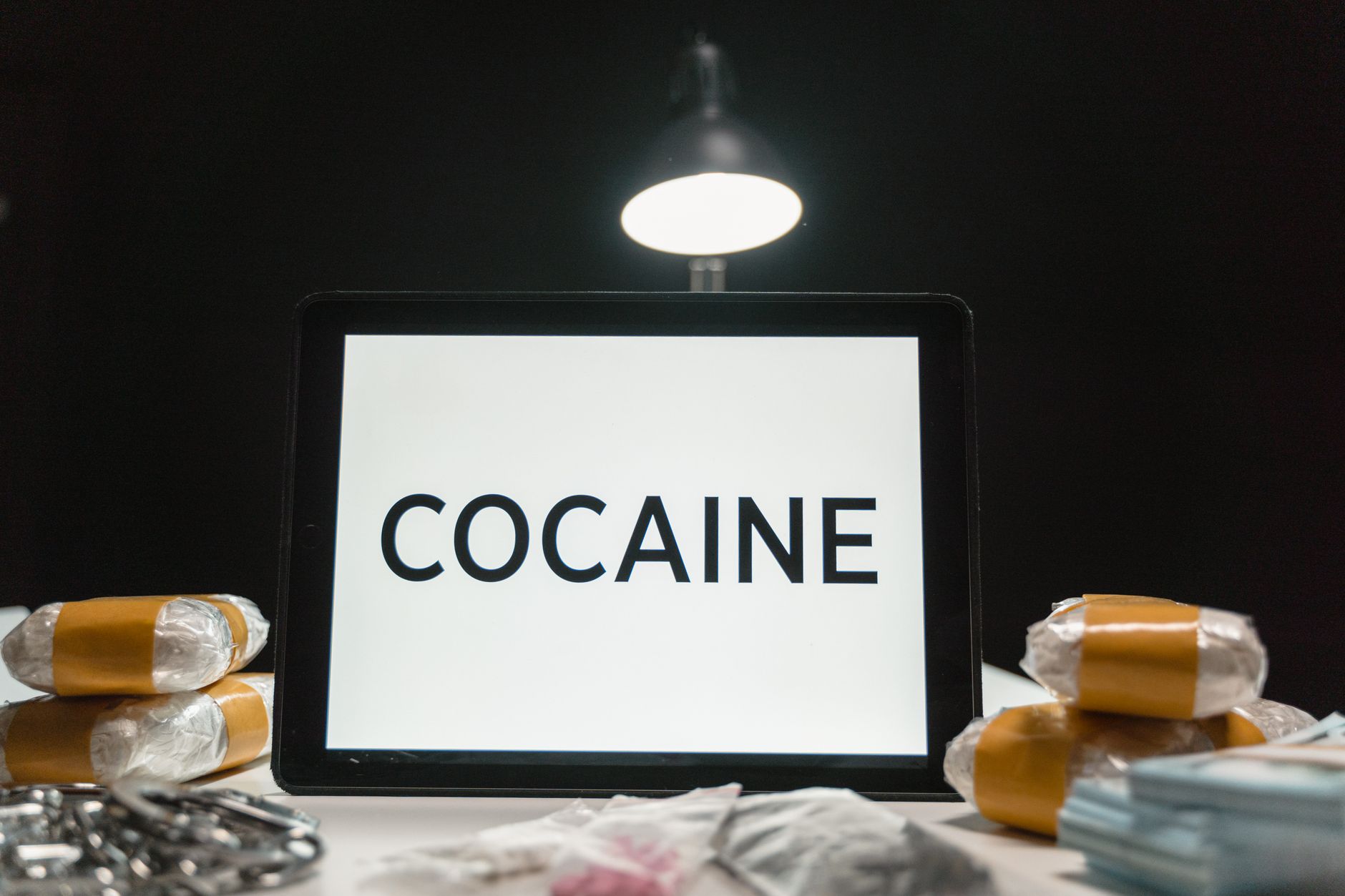
joint crackdown on drug cartels is a collaborative effort between India and the US to tackle the growing synthetic drug trade and transnational crime.
Overview of the Joint Crackdown
In a significant move to combat the growing menace of drug trafficking, India and the United States have announced a joint crackdown on drug cartels. This collaboration aims to disrupt the operations of transnational drug syndicates that have been thriving due to lax enforcement and international cooperation. Both nations recognize the urgent need to address the influx of synthetic drugs, which pose a serious threat to public health and safety.
The joint crackdown on drug cartels represents a multi-faceted approach, incorporating various strategies to enhance law enforcement capabilities and intelligence sharing. Key components of this initiative include:
- Increased Surveillance: Utilizing advanced technology to monitor drug trafficking routes and identify key players within the cartels.
- Intelligence Sharing: Establishing a framework for real-time sharing of information between Indian and US law enforcement agencies.
- Joint Operations: Conducting coordinated raids and investigations to dismantle drug networks operating across borders.
- Policy Coordination: Aligning regulatory frameworks to combat the production and distribution of synthetic drugs effectively.
This collaborative effort not only aims to bring criminals to justice but also to create a safer environment for communities affected by the drug trade. By leveraging each other’s strengths, India and the US hope to set a new precedent in the fight against drug cartels.
Importance of International Cooperation
The fight against drug cartels has increasingly highlighted the importance of international cooperation. As transnational drug trafficking networks grow more sophisticated, countries must unite to effectively combat the threat posed by these criminal organizations.
One of the key strategies in the joint crackdown on drug cartels is the sharing of intelligence between nations. By collaborating on data regarding trafficking routes, production locations, and known cartel members, countries can develop a more comprehensive understanding of the global drug trade. This intelligence-sharing fosters a proactive rather than reactive approach to law enforcement.
Additionally, joint operations can significantly enhance the capacity of local law enforcement agencies. By conducting coordinated raids and investigations, international partners can apply pressure on drug cartels, disrupting their operations and seizing assets. Such collaborative efforts are essential in dismantling the vast networks that operate across borders.
Moreover, public awareness campaigns are crucial in building community support for these initiatives. Educating the public about the dangers of drug abuse and trafficking can empower individuals to engage and assist law enforcement. International cooperation also lends credibility to these campaigns, showcasing a united front against a common enemy.
In conclusion, the importance of international cooperation in the battle against drug cartels cannot be overstated; it is a fundamental aspect of any successful strategy aimed at curbing the influence and reach of these organizations.
Impact on Synthetic Drug Trade
The joint crackdown on drug cartels has significantly impacted the synthetic drug trade, particularly in regions heavily affected by opioid and narcotic abuse. This collaborative effort between nations not only targets large-scale traffickers but also disrupts the intricate supply chains that facilitate the distribution of synthetic drugs such as fentanyl and methamphetamine.
One of the primary strategies employed in this initiative includes:
- Intelligence Sharing: Nations involved are pooling resources and information to track the movement of synthetic drugs and identify key players in the cartel networks.
- Joint Operations: Coordinated raids and operations have been launched, leading to significant drug seizures and arrests of high-profile cartel members.
- Regulation of Precursor Chemicals: By controlling the supply of precursor chemicals necessary for synthetic drug production, authorities can hinder the manufacturing capabilities of these cartels.
Moreover, the joint crackdown on drug cartels is fostering a stronger legal framework across borders, enabling quicker responses to emerging threats in the synthetic drug market. As countries strengthen their collaborative efforts, the hope is to not only curtail the production and distribution of synthetic drugs but also to promote public health initiatives aimed at reducing addiction rates.
Challenges in Enforcement
The joint crackdown on drug cartels faces several challenges that can hinder effective enforcement. Law enforcement agencies from different countries must navigate a multitude of legal, operational, and cultural barriers that complicate collaboration.
One significant challenge is the disparity in laws and regulations across countries. Each nation has its own legal framework regarding drug offenses, which can create obstacles in prosecuting suspects involved in transnational crime. This inconsistency often leads to jurisdictional disputes and delays in the legal process.
Additionally, drug cartels employ sophisticated methods to evade capture, utilizing advanced technology and employing corrupt practices to infiltrate law enforcement and governmental institutions. This corruption not only hinders investigations but also poses a threat to the safety of officials involved in the crackdown.
Moreover, the vast geographical reach of these cartels complicates coordination efforts. Agencies must work across different time zones, languages, and operational protocols, making real-time intelligence sharing a challenge.
Lastly, public perception and community support play crucial roles in the effectiveness of joint operations. Misinformation can lead to mistrust, which may undermine efforts to combat the drug trade. To overcome these obstacles, a sustained commitment to international cooperation and communication is essential.
Success Stories from Previous Efforts
Success stories from previous efforts highlight the effectiveness of a joint crackdown on drug cartels. These initiatives have not only disrupted drug trafficking operations but have also fostered cooperation among nations.
One notable example is the collaboration between the United States and Mexico, which led to the dismantling of several high-profile cartels. In 2016, a coordinated effort resulted in the capture of notorious drug lord Joaquín “El Chapo” Guzmán, significantly weakening the Sinaloa cartel’s influence in the region. This operation showcased the power of intelligence sharing and joint task forces in tackling transnational criminal networks.
Another success story comes from the partnership between European nations and South American countries. A series of joint operations targeting cocaine production in Colombia disrupted supply chains and reduced the availability of this substance in European markets. These coordinated efforts demonstrate how international cooperation can yield tangible results in combating the drug trade.
Furthermore, the establishment of specialized task forces, equipped with advanced technology and training, has proven essential in enhancing enforcement capabilities. Countries involved in these initiatives have reported a decline in drug-related violence and an increase in public safety, showcasing the multifaceted benefits of a joint crackdown on drug cartels.
The positive outcomes of these efforts serve as a blueprint for future operations, emphasizing the need for continued collaboration and innovation in the fight against drug trafficking.
Future Strategies for Drug Control
As nations continue to grapple with the complexities of the drug trade, future strategies for drug control will play a crucial role in addressing the evolving landscape of narcotics trafficking. A joint crackdown on drug cartels between countries like India and the United States will rely heavily on innovative approaches and collaboration.
One promising strategy involves enhancing intelligence sharing among law enforcement agencies across borders. By developing a network that facilitates real-time sharing of data, countries can better track and dismantle drug networks before they expand. This could include:
- Joint Task Forces: Establishing specialized units that work across borders to target specific cartels.
- Advanced Technology: Utilizing AI and data analytics to predict trafficking routes and cartel operations.
- Community Engagement: Implementing prevention programs that educate at-risk populations about the dangers of synthetic drugs.
Furthermore, addressing the root causes of drug abuse is essential. Initiatives focused on mental health support, economic opportunities, and education can reduce demand for illicit substances. As nations embrace these comprehensive strategies, the likelihood of a successful joint crackdown on drug cartels increases, leading to safer communities worldwide.
Public Awareness and Education
Public awareness and education play a critical role in the success of the joint crackdown on drug cartels. An informed public is better equipped to recognize the signs of drug abuse and trafficking, thus fostering a community that actively participates in prevention efforts.
One effective strategy is the implementation of educational programs in schools, community centers, and online platforms. These programs can address the dangers of drug use, the impact of drug cartels on society, and the legal consequences of drug-related activities. By engaging students and families, authorities can create a culture of awareness that dissuades potential involvement in drug-related activities.
Moreover, public campaigns can utilize various media channels to disseminate information. This includes:
- Social Media Campaigns: Leveraging platforms like Facebook, Twitter, and Instagram to reach a broader audience.
- Community Workshops: Organizing events where experts share knowledge and resources about the dangers of drug use.
- Collaborations with Local Influencers: Partnering with community leaders and celebrities to amplify messages.
By highlighting the dangers of drug cartels and providing clear information on resources for help, communities can become more resilient against the influence of these organizations. Ultimately, continuing to prioritize public awareness and education will support the overarching goals of the joint crackdown on drug cartels.
Conclusion and Next Steps
The joint crackdown on drug cartels represents a significant turning point in the global fight against drug trafficking. As countries unite in their efforts, it is essential to take a moment to reflect on the progress made and outline the next steps needed to ensure lasting success.
First and foremost, ongoing communication between international partners is vital. Regular meetings and information-sharing sessions should be established to evaluate the effectiveness of current strategies and to adapt to emerging challenges in the drug trade.
Additionally, increased funding and resources for local law enforcement agencies are crucial. These agencies play a frontline role in dismantling drug networks and require support to enhance their capabilities. This support can come in the form of training programs, technological advancements, and intelligence-sharing mechanisms.
Moreover, public awareness campaigns must continue to educate citizens about the dangers of drug abuse and the importance of reporting suspicious activities. Engaging communities in this dialogue can help create a vigilant society that actively participates in combating drug trafficking.
In conclusion, while the joint crackdown on drug cartels has shown promise, it is imperative that all involved parties remain committed to collaboration, resource allocation, and education. By doing so, we can hope to create a safer future free from the grip of drug-related violence and addiction.
The recent joint crackdown on drug cartels has demonstrated the effectiveness of coordinated international efforts. By sharing intelligence and resources, law enforcement agencies have strengthened their approach to the joint crackdown on drug cartels.
Photo by MART PRODUCTION on Pexels
References
Related stories
Bipartisan permitting reform: Clear path to passage · Is Sigma Nu fraternity move out the worst decision ever? · Ancient underwater canyons reveal clear clues to life


