
 Michael Brown
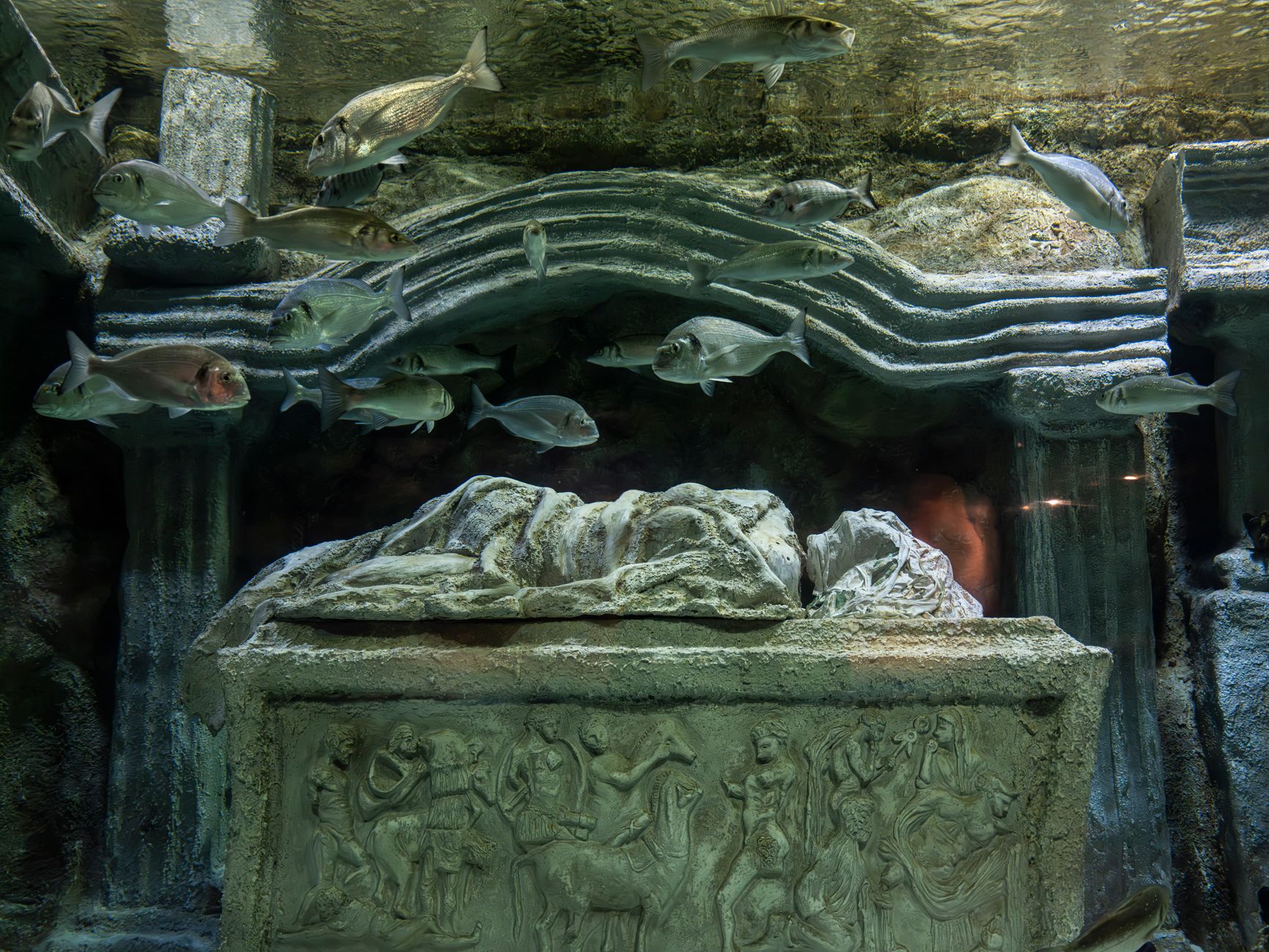
ancient underwater canyons reveal clues to the world’s oldest animal life, offering a glimpse into the ecological history of our planet.
What are ancient underwater canyons?
Ancient underwater canyons are remarkable geological formations that have shaped the ocean floor over millions of years. These deep, V-shaped valleys can be found beneath the surface of oceans and seas, often created by powerful currents and sediment erosion.
These canyons provide scientists with invaluable insights into Earth’s history and the development of marine ecosystems. Researchers believe that ancient underwater canyons played a crucial role in the distribution of nutrients and species, influencing biodiversity patterns.
Key features of ancient underwater canyons include:
- Depth: Many canyons extend several kilometers below sea level.
- Formation: They often form through processes like erosion and tectonic activity.
- Biodiversity: These areas are hotspots for unique marine life.
Understanding these canyons helps scientists uncover clear clues to life in the ancient oceans.
Importance of studying marine ecosystems
The study of marine ecosystems, particularly ancient underwater canyons, is crucial for understanding the planet’s biological history. These canyons serve as natural laboratories, revealing vital information about past climate conditions and the evolution of marine life.
Researchers emphasize the following points regarding the importance of studying these unique habitats:
- Biodiversity hotspots: Ancient underwater canyons support a rich array of species, many of which are yet to be discovered.
- Climate indicators: The sediment layers within these canyons provide insights into historical climate events and how marine ecosystems have adapted.
- Conservation efforts: Understanding the dynamics of these ecosystems can help in developing strategies to protect vulnerable marine life.
Overall, ancient underwater canyons play a pivotal role in shedding light on the intricate relationships within marine ecosystems.
Discoveries from recent underwater explorations
Recent underwater explorations of ancient underwater canyons have uncovered remarkable insights into the Earth’s early marine life. Researchers have documented various fossilized remains and sediment layers that provide a glimpse into the ecosystems that thrived millions of years ago.
Among the notable discoveries are:
- Fossilized Coral Reefs: These ancient structures indicate that rich biodiversity once flourished in these deep-sea environments.
- Rare Marine Species: Many species previously thought to be extinct have been found, suggesting that these canyons served as crucial habitats.
- Unique Geological Features: The formations within these canyons offer valuable information about the Earth’s climatic changes throughout history.
Such findings not only enhance our understanding of ancient underwater canyons but also highlight the importance of preserving these delicate ecosystems for future research.
How ancient life forms adapted to their environment
Research into ancient underwater canyons has provided significant insights into how prehistoric life forms adapted to their environments. These canyons, formed millions of years ago, acted as crucial habitats fostering biodiversity. Scientists have identified various adaptations among ancient species, which include:
- Camouflage: Many organisms developed colors and patterns that allowed them to blend into their surroundings, evading predators.
- Unique feeding strategies: Some species evolved specialized feeding mechanisms to exploit available resources in the canyon ecosystem.
- Reproductive adaptations: To ensure survival in fluctuating conditions, certain life forms developed varied reproductive strategies, enhancing their chances of thriving.
These adaptations highlight the resilience of life in challenging environments, revealing how ancient underwater canyons served as vital nurseries for early marine ecosystems.
Future research directions in marine biology
As researchers continue to explore the depths of ancient underwater canyons, several future research directions in marine biology are becoming increasingly clear. Understanding the unique ecosystems within these canyons can provide valuable insights into historical climate changes and biodiversity.
Scientists are particularly interested in the following areas:
- Species Mapping: Identifying previously unknown species that have adapted to the extreme conditions of ancient underwater canyons.
- Climate Impact Studies: Investigating how ancient underwater canyons have influenced ocean currents and climate patterns.
- Conservation Efforts: Developing strategies to protect these fragile ecosystems from human activities.
- Technological Innovations: Utilizing advanced technologies to uncover deeper secrets of these submerged landscapes.
These directions highlight the potential of ancient underwater canyons in unraveling the mysteries of marine life and ecosystem resilience.
Implications for understanding climate change
The study of ancient underwater canyons has significant implications for understanding climate change and its impact on marine ecosystems. These canyons serve as natural archives, preserving evidence of past environmental conditions. By analyzing sediment layers and fossilized remains, researchers can uncover patterns in biodiversity and climate shifts over millions of years.
As scientists explore these deep-sea landscapes, they gain insights into how ancient life forms responded to changing climates. This knowledge is crucial in predicting how current species might adapt to ongoing climate challenges. Additionally, ancient underwater canyons may reveal how ocean currents and temperature variations influenced marine life during historical climate events.
Ultimately, the findings from these studies could inform conservation strategies, helping to protect vulnerable ecosystems facing the pressures of modern climate change.
Photo by Engin Akyurt on Pexels
References
You might also like
Top Chinese dramas: What are the best ones to binge this week? · Kareena Kapoor Diwali: What’s the Best Royal Charm Look? · Nvidia chips to China: Right Decision or Wrong Move?


