
 Michael Brown
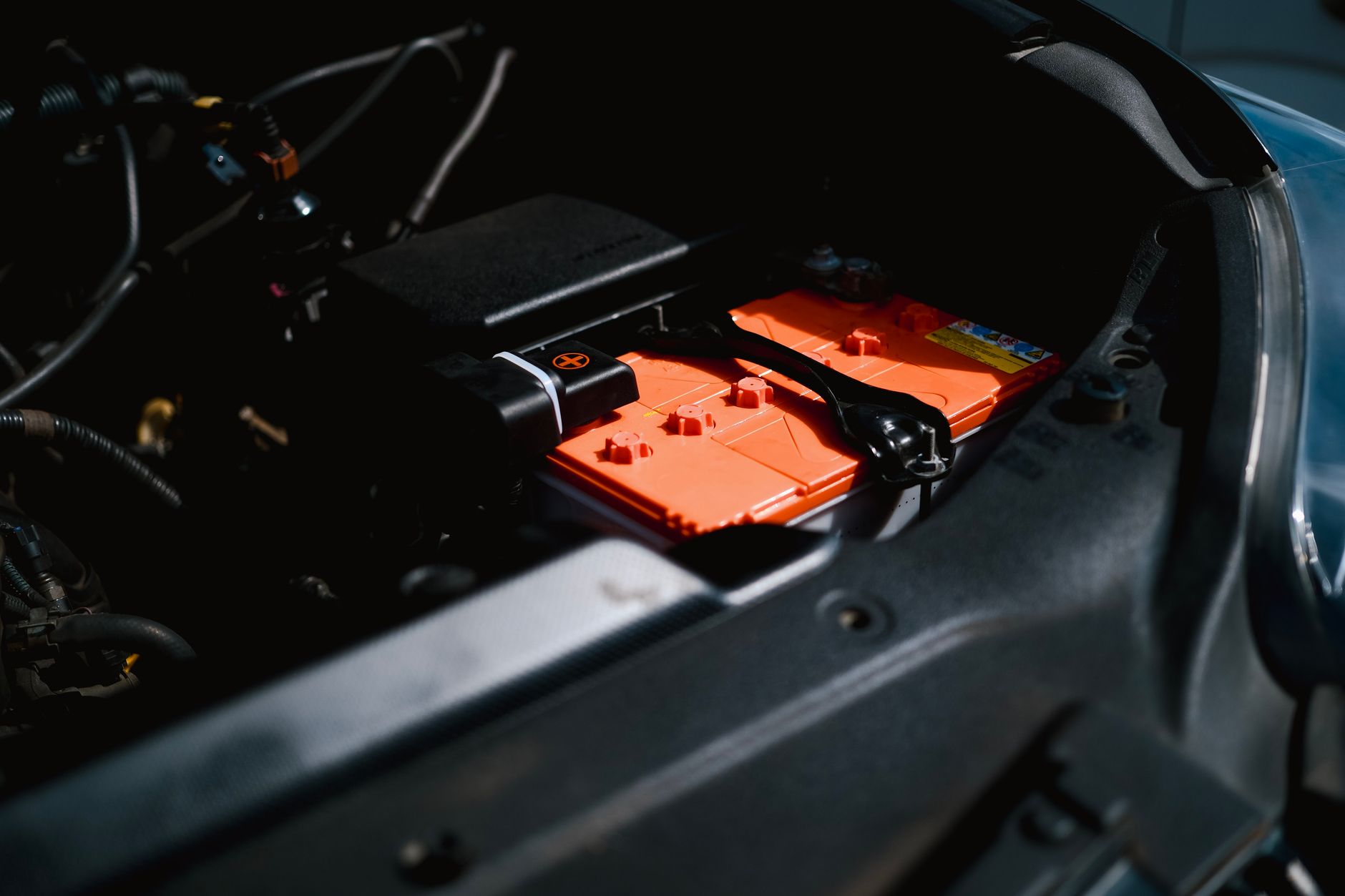
discarded lithium-ion batteries are becoming a topic of discussion in India. The country is exploring the implications of keeping these batteries at home for safety and environmental concerns.
Understanding lithium-ion battery disposal
Discarded lithium-ion batteries pose significant environmental and safety challenges, making proper disposal crucial. As the use of lithium-ion batteries increases in devices like smartphones, laptops, and electric vehicles, the need to manage their disposal effectively has become more pressing. When improperly discarded, these batteries can leak harmful substances into the environment, posing risks to both human health and wildlife.
In India, efforts are being made to encourage the domestic recycling of discarded lithium-ion batteries. This initiative aims to reduce the dependence on foreign recycling facilities while also promoting local job creation. Understanding the importance of keeping these batteries within the country helps to minimize the risk of environmental contamination and promotes sustainable practices.
To better manage the disposal of these batteries, individuals and businesses can follow several steps:
- Recycling Programs: Participate in local recycling programs that specialize in battery disposal.
- Manufacturer Take-Back: Utilize manufacturer take-back schemes designed for responsible disposal.
- Awareness Campaigns: Engage in awareness campaigns to educate the public on the hazards associated with improper disposal.
By understanding the implications of discarded lithium-ion batteries and taking proactive measures, we can collectively work towards a cleaner and safer environment.
The environmental impact of battery waste
The growing reliance on technology and portable devices has led to an increase in the number of discarded lithium-ion batteries. These batteries, commonly found in smartphones, laptops, and electric vehicles, pose significant environmental challenges when not disposed of properly.
The environmental impact of battery waste is profound and multifaceted. When lithium-ion batteries are discarded irresponsibly, they can leach harmful substances into the soil and waterways, leading to contamination. The heavy metals and toxic chemicals present in these batteries can affect local ecosystems and pose health risks to humans and wildlife.
Moreover, the production of lithium-ion batteries is resource-intensive. Extracting lithium, cobalt, and nickel often involves environmentally damaging mining practices. By focusing on the recycling and proper disposal of discarded lithium-ion batteries, we can reduce the demand for these raw materials and minimize environmental degradation.
Recycling is a vital part of the solution. It not only helps recover valuable materials but also significantly reduces the carbon footprint associated with new battery production. Transitioning towards a circular economy for battery use can mitigate the environmental impact, making it a more sustainable choice.
As awareness grows, so does the importance of establishing effective disposal systems for discarded lithium-ion batteries. Communities and governments are encouraged to promote proper recycling practices, ensuring that the environmental impact is minimized for a healthier planet.
Why India is changing its approach
In recent years, India has undergone a significant shift in its approach to managing discarded lithium-ion batteries. This change is primarily driven by the growing awareness of the environmental hazards posed by improper disposal and the potential for recycling these batteries to recover valuable materials.
The Indian government has recognized the importance of keeping discarded lithium-ion batteries within the country rather than exporting them for processing abroad. This strategy aims to create a sustainable ecosystem for battery waste management and emphasizes the need for local solutions to tackle environmental challenges.
- Local recycling initiatives: Several companies are emerging in the battery recycling sector, focusing on recovering critical materials such as lithium, cobalt, and nickel. These materials can be reused in new batteries, reducing the need for mining and its associated environmental costs.
- Regulatory frameworks: The government is formulating stringent regulations to ensure proper disposal and recycling of lithium-ion batteries. This includes guidelines for manufacturers to take responsibility for their products at the end of their life cycle.
- Public awareness campaigns: Educating consumers about the dangers of improper disposal and the benefits of recycling is essential. Initiatives aimed at informing the public can increase participation in recycling programs.
Overall, India’s evolving approach to discarded lithium-ion batteries reflects a broader commitment to sustainability and environmental stewardship, ensuring that the country can manage its growing battery waste effectively.
Safety concerns with discarded batteries
Safety concerns surrounding discarded lithium-ion batteries have become a significant issue as their use continues to rise in consumer electronics and electric vehicles. Improper disposal can lead to various hazards, making it imperative to address these risks effectively.
One of the primary dangers associated with discarded lithium-ion batteries is the potential for fires. When batteries are damaged or improperly disposed of, they can short-circuit, leading to overheating and combustion. This risk is especially prevalent in landfills where batteries may be crushed under heavy debris, further increasing the likelihood of ignition.
Additionally, the chemical components within these batteries can pose health risks. If released into the environment, substances like lithium, cobalt, and nickel can contaminate soil and water sources, endangering both public health and local ecosystems. The challenge is not just with the batteries themselves but also with the infrastructure in place to manage their disposal safely.
To mitigate these risks, it is crucial to implement proper recycling and disposal methods. Educational initiatives aimed at informing consumers about the safe handling of batteries can also play a vital role in addressing these safety concerns. By keeping discarded lithium-ion batteries at home until they can be responsibly recycled, individuals can contribute to a safer environment and reduce the risk of hazardous incidents.
Photo by Ayyeee Ayyeee on Pexels
Read the original
Related stories
Happiest Health Digital Business: Proven Roadmap for Growth · India Turkey UN Talks: The Wrong Move Exposed in Detail · Measles elimination status: What went wrong and why?


