
 Michael Brown
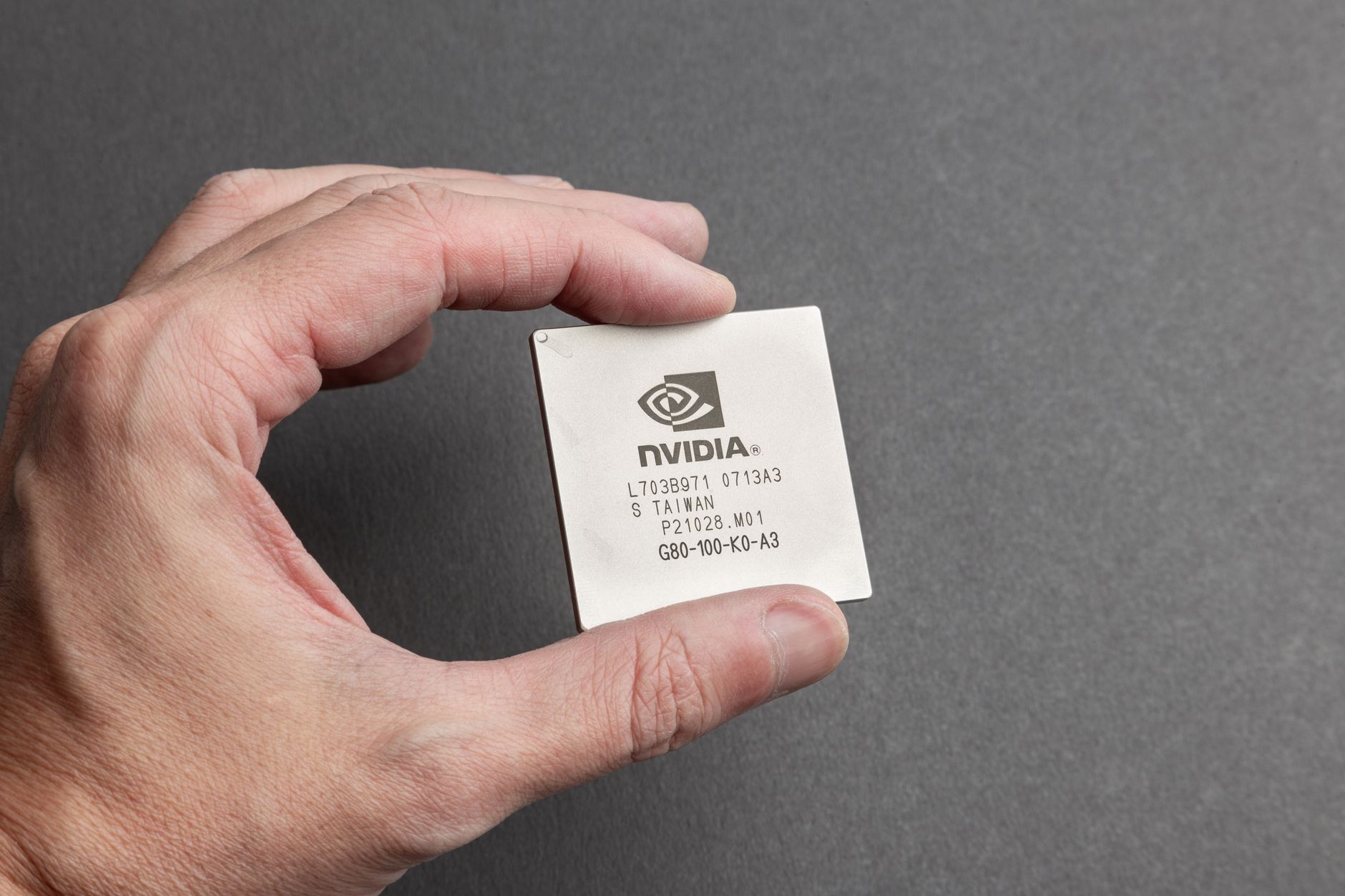
banned Nvidia chips have become a focal point of controversy as Alice Huang-linked firm procured these restricted items in China.
What Are Banned Nvidia Chips?
Banned Nvidia chips refer to specific graphics processing units (GPUs) that have been prohibited from export due to national security concerns. These chips are often associated with advanced technologies that can be used in various applications, including artificial intelligence, military systems, and high-performance computing. The U.S. government has implemented restrictions on certain Nvidia products, believing that their availability could enhance China’s technological capabilities in sensitive areas.
The implications of these bans are significant, particularly in the context of international trade and technology transfer. Companies caught procuring banned Nvidia chips face serious legal repercussions and potential sanctions. The recent procurement of these banned chips by a firm linked to Alice Huang has raised eyebrows, highlighting the ongoing challenges in enforcing export controls.
As nations grapple with the balance between technological advancement and security risks, the demand for banned Nvidia chips continues to present dilemmas for global supply chains. The situation underscores the complexities of regulatory compliance and the potential for illicit procurement practices in the tech industry.
The Role of Alice Huang
Alice Huang, a prominent figure in the tech industry, has been linked to a firm that allegedly procured banned Nvidia chips in China. Her involvement raises significant questions about the procurement practices in the semiconductor sector. Huang, known for her expertise in artificial intelligence, has been under scrutiny for her connections to companies that operate on the fringes of legality.
Reports indicate that the firm associated with Huang has facilitated the acquisition of these banned Nvidia chips, which are restricted due to their potential military applications. This situation highlights the challenges regulators face in monitoring the flow of sensitive technology across borders.
Industry experts are concerned that such actions could undermine international efforts to control advanced technology proliferation. In response to these revelations, several stakeholders are calling for stricter regulations and increased oversight of procurement practices. The implications of this case extend beyond a single company, potentially impacting global supply chains and national security.
- Increased scrutiny of semiconductor procurement.
- Potential for stricter regulations on technology transfers.
- Impacts on international relations in tech sectors.
Implications for Technology Trade
The procurement of banned Nvidia chips has raised significant concerns regarding the implications for technology trade between the United States and China. As governments worldwide tighten regulations on semiconductor exports, the actions of companies like the one linked to Alice Huang underscore the complexities of global supply chains.
Experts suggest that the continued acquisition of banned Nvidia chips may lead to:
- Increased Tensions: The procurement activities could exacerbate existing tensions between the U.S. and China, as they may be viewed as violations of export control laws.
- Potential Sanctions: Firms involved in the procurement of banned technology might face sanctions, further complicating international business operations.
- Impact on Innovation: The availability of advanced chips in unauthorized markets could hinder innovation in legitimate tech sectors, affecting overall market dynamics.
- Supply Chain Risks: Companies may need to reassess their supply chains to avoid unintentional involvement in illegal procurement activities.
The situation highlights the urgent need for companies to navigate the evolving landscape of technology trade with caution and integrity.
China’s Semiconductor Landscape
China’s semiconductor landscape has evolved dramatically in recent years, driven by both innovation and geopolitical tensions. The recent procurement of banned Nvidia chips has raised considerable concerns among international stakeholders. These high-performance processors, essential for various advanced applications including artificial intelligence and machine learning, have been restricted due to national security reasons.
As China continues to invest heavily in its semiconductor industry, the competition among domestic firms has intensified. Companies are striving to develop homegrown alternatives while still seeking to acquire foreign technology, sometimes resorting to questionable means. The involvement of firms linked to individuals like Alice Huang highlights the intricate web of relationships between technology suppliers and manufacturers.
Key players in the industry include:
- State-backed enterprises aiming to bolster local production capabilities.
- Private firms seeking to bridge the technology gap through partnerships and illicit procurement.
- International suppliers navigating the complexities of trade regulations.
As tensions continue to rise, the future of China’s semiconductor landscape remains uncertain, with the shadow of banned Nvidia chips looming large over its aspirations.
Legal Ramifications of Procurement
The procurement of banned Nvidia chips in China by a firm linked to Alice Huang raises significant legal ramifications that could have far-reaching consequences. Authorities are increasingly scrutinizing the actions of companies involved in acquiring these prohibited technologies, which are crucial for advanced computing and artificial intelligence applications.
Key legal considerations include:
- Export Controls: Companies that facilitate the transfer of banned Nvidia chips may face severe penalties under international export control regulations.
- Intellectual Property Theft: The unauthorized procurement of technology can lead to accusations of intellectual property violations, further complicating legal positions.
- Trade Agreements: Violations related to banned components could strain diplomatic relations and impact future trade agreements between China and other nations.
- Corporate Accountability: Firms involved in the procurement process may be held liable for not adhering to compliance regulations, resulting in fines or other legal actions.
The implications of these legal challenges extend beyond individual firms, potentially affecting entire sectors within the technology landscape and prompting governments to reassess their regulatory approaches regarding banned Nvidia chips.
Public Reaction to the Scandal
The revelation of banned Nvidia chips being procured in China has sparked widespread outrage among the public and industry experts alike. Many are expressing concerns over the implications of such actions on global technology standards and security.
Social media platforms have become a battleground for opinions, with numerous users condemning the procurement practices linked to Alice Huang’s firm. Comments range from shock at the blatant disregard for regulations to fears about the potential misuse of advanced technology. One user stated, “This situation raises serious questions about how far companies will go to secure cutting-edge resources, even if they are banned.”
In addition, industry insiders have voiced their discontent. A prominent technology analyst remarked, “The procurement of banned Nvidia chips not only undermines international trade agreements but also poses risks to innovation and ethical practices in the tech industry.”
As the story continues to unfold, calls for accountability and stricter enforcement of regulations are growing louder. The incident has ignited a debate about the responsibilities of firms in maintaining ethical supply chains and the importance of adhering to legal standards in technology procurement.
Future of Nvidia in China
The future of Nvidia in China appears uncertain following the procurement of banned Nvidia chips linked to Alice Huang’s company. As international scrutiny intensifies, the implications for Nvidia’s operations are significant.
Analysts suggest that the scandal could lead to a tightening of export regulations, impacting not only Nvidia but also other technology firms operating in China. The revelation has raised concerns about the integrity of supply chains and compliance with international laws.
Moreover, with China’s ambition to bolster its semiconductor industry, there is a chance that local firms may seek alternatives to Nvidia’s offerings. The procurement of banned Nvidia chips highlights a growing divide in technology access and may push Chinese companies to prioritize domestic solutions over foreign imports.
In response, Nvidia has reiterated its commitment to adhering to export controls, but the damage to its reputation in China may linger. Stakeholders are now closely monitoring how this scandal will shape future partnerships and the overall landscape of the tech industry in the region.
Ultimately, the fallout from this incident could redefine Nvidia’s market strategy and influence its presence in the pivotal Chinese technology sector.
Global Impact on Tech Industry
The procurement of banned Nvidia chips has sent shockwaves throughout the global tech industry, raising concerns about supply chain integrity and international trade dynamics. As companies grapple with the implications of these actions, the fallout is likely to reshape market strategies and partnerships across various sectors.
Several key impacts have emerged:
- Supply Chain Disruption: The controversy surrounding banned Nvidia chips highlights vulnerabilities in the semiconductor supply chain, prompting firms to reassess their dependency on specific suppliers.
- Increased Scrutiny: Regulatory bodies worldwide are now more vigilant regarding technology exports, particularly to nations with strained relations, leading to tighter restrictions on high-tech products.
- Market Competition: Companies that rely on Nvidia products may face increased competition as alternatives gain traction, pushing innovation and potentially accelerating the development of homegrown technologies.
- Investor Confidence: The scandal could undermine investor trust in affected companies, leading to volatility in stock markets and shifts in investment strategies.
Ultimately, the ramifications of this procurement scandal extend well beyond Nvidia, affecting the entire landscape of the global technology industry.
Photo by Stas Knop on Pexels
Where this came from
Related stories
Malo Gusto Transfer News: The Best Battle for Chelsea Right-Back · Iran peace demand: The wrong turn in U.S.-Israel relations · Nvidia CEO resignation: Worst fallout from spy scandal


