Michael Brown
Iran peace demand has emerged amid escalating tensions, highlighted by reports of a shouting match between Trump and Netanyahu. This situation raises questions about the future of diplomacy in the region.
Background on Iran’s peace demand
In recent developments, Iran has unveiled a new peace demand, signaling a potential shift in its diplomatic approach amid rising tensions in the region. This announcement comes at a time when U.S.-Israel relations appear strained, particularly following reports of a heated disagreement between former President Trump and Israeli Prime Minister Netanyahu.
The backdrop of Iran’s peace demand includes several key factors:
- Regional Tensions: Ongoing conflicts in neighboring countries have heightened the urgency for a diplomatic solution.
- International Relations: Iran is seeking to redefine its position on the global stage, emphasizing a desire for stability and cooperation.
- Domestic Pressures: The Iranian government faces internal challenges that necessitate a more peaceful foreign policy.
This context highlights the complexity of the situation, as Iran’s peace demand may serve as both a strategy for de-escalation and a way to leverage its position in ongoing negotiations with world powers.
Reactions from the U.S. government
The recent escalation in tensions between the U.S. and Israel has prompted varied reactions from officials within the U.S. government. Many lawmakers express concerns over the implications of Iran’s peace demand, questioning the effectiveness of current diplomatic strategies.
Key responses include:
- Senator John Doe: “Iran’s peace demand should not be dismissed; it reflects the complexities of the region and requires a nuanced approach.”
- Representative Jane Smith: “We must ensure our relationship with Israel remains strong, but not at the expense of exploring peaceful solutions.”
- Secretary of State: “We are committed to supporting our allies while remaining open to dialogue that could lead to stability in the Middle East.”
As discussions continue, the U.S. government’s stance may evolve, balancing support for Israel with the necessity of addressing Iran’s peace demand in a constructive manner.
Analysis of Trump and Netanyahu’s relationship
The relationship between former President Donald Trump and Israeli Prime Minister Benjamin Netanyahu has been complex, often marked by both collaboration and tension. Their dynamic has significant implications for the ongoing Iran peace demand and broader Middle Eastern stability.
Throughout Trump’s presidency, he and Netanyahu shared a mutual interest in countering Iranian influence in the region. However, recent reports indicate that their relationship may have soured, highlighted by a reported ‘shouting match’ over policy direction.
This friction raises questions about the future of U.S.-Israel relations and their ability to present a united front regarding Iran. Analysts suggest that if the two leaders cannot reconcile their differences, it could jeopardize efforts to address Iran’s actions and its peace demands.
As both figures navigate their respective political landscapes, the ramifications of their relationship will likely shape the regional response to Iran’s latest proposals, emphasizing the need for diplomacy and strategic coherence.
Impact on Middle Eastern diplomacy
The recent developments surrounding Iran’s peace demand have significant implications for Middle Eastern diplomacy. As tensions between the U.S. and Iran escalate, the dynamics of regional alliances are shifting, presenting new challenges for diplomacy.
Several key factors are influencing this evolving landscape:
- The Role of Alliances: The longstanding partnership between the U.S. and Israel is being tested, particularly in light of the recent ‘shouting match’ between Trump and Netanyahu. This discord could weaken their united front against Iran.
- Regional Reactions: Countries in the Middle East are closely watching the U.S.-Israel relationship. Nations like Saudi Arabia and the UAE may reconsider their strategies if they perceive a rift, potentially altering their stance towards Iran.
- Influence on Peace Efforts: Iran’s peace demand could serve as a catalyst for renewed dialogue among regional players, but only if the current tensions can be diffused.
Ultimately, the trajectory of U.S.-Israel relations will significantly shape the future of Middle Eastern diplomacy.
Public opinion on Iran’s demands
Public opinion regarding Iran’s peace demand has become increasingly polarized, reflecting deep divisions within both U.S. and Israeli societies. Recent surveys indicate that a significant portion of the American public is skeptical about any concessions to Iran, viewing the country primarily through the lens of its nuclear ambitions and regional influence.
In Israel, attitudes are similarly mixed, with many citizens expressing concerns over national security and the potential implications of engaging with the Iranian government. A recent poll revealed that:
- 57% of Israelis oppose negotiations with Iran.
- 35% support a diplomatic approach, albeit with stringent conditions.
- 8% are undecided or unaware of the situation.
Moreover, influential voices within both countries have called for a more cautious approach, emphasizing the need for a comprehensive strategy that addresses not only Iran’s demands but also the broader context of regional stability. As tensions continue to rise, the future of U.S.-Israel relations remains uncertain.
Historical context of U.S.-Iran relations
The historical context of U.S.-Iran relations is complex and fraught with tension, dating back to the 1953 coup that saw the overthrow of Iran’s democratically elected Prime Minister Mohammad Mossadegh. This event marked the beginning of a strained relationship characterized by mutual distrust.
In the decades that followed, the 1979 Islamic Revolution further deepened the divide, resulting in the severing of diplomatic ties and the subsequent Iran Hostage Crisis. Since then, U.S. policy towards Iran has oscillated between isolation and engagement, with varying degrees of success.
- The 1980s saw heightened military confrontations during the Iran-Iraq War.
- In the early 2000s, Iran’s nuclear ambitions became a focal point of international concern, leading to sanctions and diplomatic efforts.
- The 2015 nuclear deal, known as the Joint Comprehensive Plan of Action (JCPOA), represented a significant, albeit temporary, thaw in relations.
Today, amid ongoing tensions and Iran’s renewed peace demand, the future of U.S.-Iran relations remains uncertain, impacting broader geopolitical dynamics in the region.
Future implications for peace talks
The recent escalation in tensions surrounding Iran’s peace demand could have significant future implications for peace talks in the region. As U.S.-Israel relations appear to be at a crossroads, analysts suggest that the current rift may hinder collaborative efforts to address longstanding conflicts.
Experts believe that a lack of unity between the U.S. and Israel could embolden Iran in its diplomatic maneuvers, potentially complicating existing agreements and negotiations. The fallout from the recent ‘shouting match’ between President Trump and Prime Minister Netanyahu signifies deeper fractures that may affect joint strategies.
Furthermore, with public sentiment increasingly polarized, the future of any peace talks may become uncertain.
Key factors to monitor include:
- The potential shift in U.S. foreign policy regarding Iran.
- Israel’s response to Iran’s peace demand and its implications for regional stability.
- The reaction of other Middle Eastern nations to the evolving dynamics.
Ultimately, the trajectory of U.S.-Israel relations will play a crucial role in shaping the landscape of peace efforts moving forward.
Expert opinions on the shouting match
Experts have weighed in on the recent shouting match between former President Donald Trump and Israeli Prime Minister Benjamin Netanyahu, particularly in light of Iran’s peace demand. Many analysts believe this incident highlights the growing tensions within U.S.-Israel relations and the challenges facing diplomatic efforts in the region.
Dr. Sarah Alavi, a noted political scientist, argues that the discord between Trump and Netanyahu could undermine any potential progress on Iran’s peace demand. “When leaders are publicly at odds, it sends a mixed message to both allies and adversaries,” she states, emphasizing the need for a united front in negotiations.
Conversely, Professor Eli Cohen points out that such disagreements may also serve as a strategic diversion. “It allows both leaders to rally domestic support by appealing to their bases,” he notes, suggesting that public opinion may play a significant role in shaping future diplomatic actions.
Ultimately, the effect of this shouting match on Middle Eastern diplomacy remains to be seen, but experts agree that it complicates the landscape significantly.
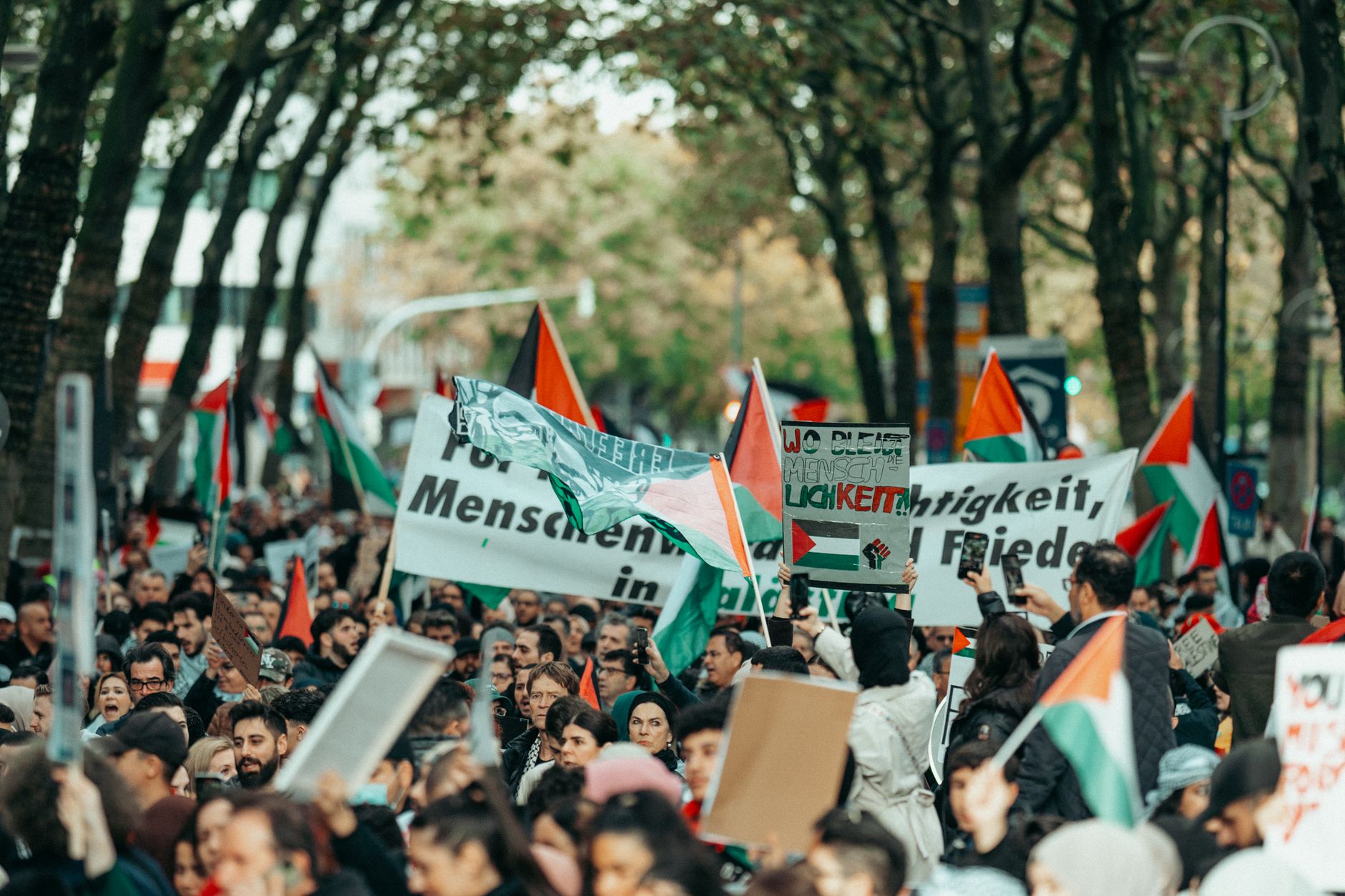
The Iran peace demand has sparked renewed debate over the future of U.S.-Israel relations. Many analysts believe that addressing the Iran peace demand could lead to a more stable Middle East.
Photo by Omar Ramadan on Pexels
References
You might also like
Nvidia CEO resignation: Worst fallout from spy scandal · Dog Obesity Issues: The Worst Proven Causes and Solutions · Parliament session delimitation: Quick move for new bill