Michael Brown
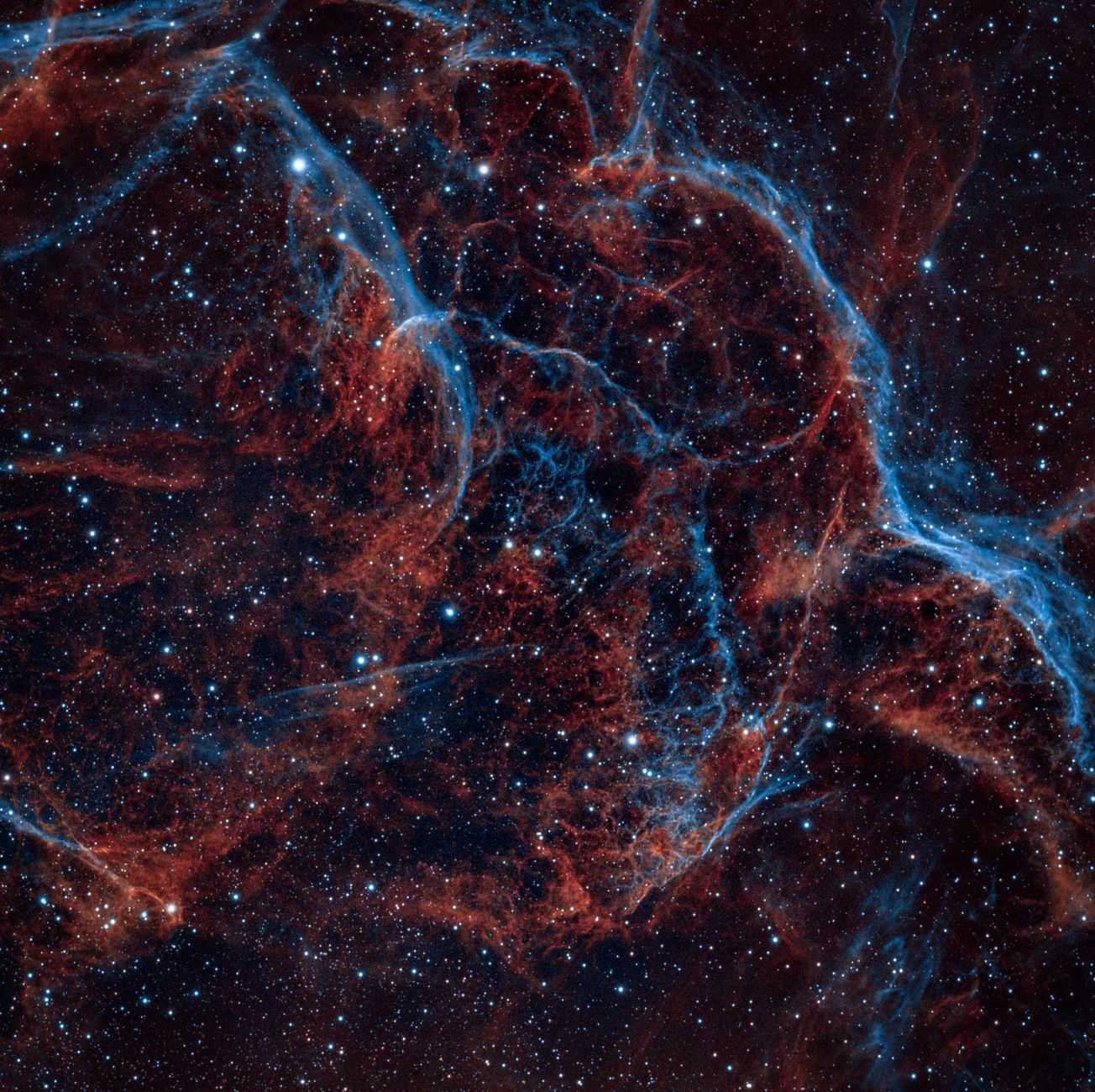
exploding supernova observations are capturing the attention of astronomers as a nearby event is about to peak. This unique opportunity allows you to assist scientists in their research efforts.
What is a supernova?
A supernova is a powerful and luminous explosion that occurs at the end of a star’s life cycle. These spectacular events can outshine entire galaxies and are crucial for understanding the universe. When a massive star exhausts its nuclear fuel, it collapses under its own gravity, leading to a rapid increase in temperature and pressure. This results in a catastrophic explosion that ejects the star’s outer layers into space.
There are two primary types of supernovae: Type I and Type II. Type I supernovae occur in binary systems, where one star pulls material from a companion star until it reaches a critical mass. In contrast, Type II supernovae result from the rapid collapse of a massive star. Both types provide valuable insights into cosmic phenomena, including the expansion of the universe.
Observing an exploding supernova offers a unique opportunity for both professional astronomers and citizen scientists. By participating in these observations, individuals can contribute to a greater understanding of stellar life cycles and the dynamics of cosmic events. With the recent focus on exploding supernova observations, there’s no better time to get involved and witness these breathtaking occurrences in the night sky.
Why this supernova is important
The recent observations of a nearby exploding supernova are significant for several reasons, making them an exciting opportunity for both amateur and professional astronomers alike.
Firstly, studying supernovae provides crucial insights into the life cycles of stars and the processes that lead to their explosive deaths. By understanding these phenomena, scientists can better grasp the fundamental workings of our universe.
Secondly, this particular supernova is noteworthy because it is relatively close to Earth, allowing for more detailed observations. This proximity enhances the clarity of the data collected, making it easier to analyze and interpret.
Additionally, participating in the observations of this supernova can contribute to ongoing research efforts. Citizen scientists can help gather a wealth of information, which may lead to new discoveries regarding the explosive mechanisms behind these stellar events.
Moreover, the collaboration between professional astronomers and the public fosters a sense of community and engagement in the scientific process. By getting involved, individuals can directly contribute to expanding our understanding of astrophysics.
In summary, the exploding supernova observations not only enrich our knowledge but also invite everyone to be part of this exciting field of study.
How to participate in observations
Participating in exploding supernova observations can be an exciting and rewarding experience for both amateur and seasoned astronomers. Here are some easy tips to get involved:
- Find a Local Astronomy Club: Many clubs organize viewing events and discussions about current supernova occurrences. Joining one can provide access to telescopes and expert guidance.
- Use Online Platforms: Websites like NASA’s Astronomy Picture of the Day or the American Astronomical Society offer valuable resources and updates on supernova events. Sign up for newsletters to stay informed.
- Get the Right Equipment: While professional telescopes can enhance your observations, even a good pair of binoculars can help you spot bright supernovae. Consider investing in a star chart app for better navigation.
- Document Your Findings: Keep a journal of your observations, noting the date, time, and any changes you observe. This contributes to the larger scientific community’s understanding of the supernova.
- Engage on Social Media: Join online forums or follow hashtags related to exploding supernova observations. Sharing your experiences can connect you with others passionate about the subject.
By following these tips, you can actively contribute to the study of these spectacular cosmic events.
What scientists hope to learn
Scientists are eager to uncover the mysteries surrounding exploding supernova observations, as each event provides a unique opportunity to enhance our understanding of the universe. The primary objectives of these observations include:
- Understanding Stellar Evolution: By studying supernovae, researchers aim to learn more about the life cycles of massive stars and the processes leading to their explosive endings.
- Element Formation: Supernovae are responsible for creating and distributing heavy elements throughout the cosmos. Observations help scientists better comprehend how these elements are formed and their role in the evolution of galaxies.
- Cosmological Measurements: Observations of supernovae can be used as standard candles to measure distances in the universe, providing insights into its expansion and the mysterious dark energy that drives it.
- Testing Theories of Gravity: Exploding supernova observations offer a chance to test current theories of gravity and fundamental physics, potentially leading to new breakthroughs.
By participating in these observations, amateur astronomers and the public can contribute to vital research, helping scientists gather data that may answer some of the most pressing questions in astrophysics today.
Upcoming astronomical events
As the excitement surrounding the upcoming astronomical events continues to build, amateur astronomers and enthusiasts alike are gearing up for an opportunity to witness an extraordinary phenomenon: the exploding supernova observations. This rare event is not only a visual spectacle but also a chance for citizen scientists to contribute to ongoing research.
Key events to look out for include:
- Peak Brightness: Scientists predict that the supernova will reach its peak brightness in just a few days. This is the optimal time for observations, as the supernova will be most visible.
- Observation Nights: Several organized observation nights are planned, where individuals can gather to share their findings and techniques.
- Webinars and Workshops: Online sessions will be held to educate participants on proper observation methods and data collection techniques.
- Team Collaborations: Join groups or forums that focus on supernova watching to share insights and coordinate observations effectively.
By participating in these events, you can play a vital role in the scientific community’s understanding of supernovae. Your contributions will help scientists gather critical data and further unravel the mysteries of the universe.
The impact of citizen science
The field of astronomy has greatly benefited from the contributions of citizen scientists, particularly in the realm of exploding supernova observations. By engaging the public in these observations, researchers can enhance their data collection and analysis capabilities.
Citizen science allows individuals, regardless of their scientific background, to participate in significant astronomical events. This grassroots involvement can lead to:
- Increased data collection: Many eyes observing the night sky can capture a wider array of data than a limited number of professional astronomers alone.
- Community engagement: Engaging the public fosters a sense of community among enthusiasts, encouraging discussions and collaboration.
- Real-time insights: Citizen observers can provide immediate reports on supernova activity, which is crucial for timely scientific analysis.
Moreover, the knowledge gained from these participatory efforts can lead to groundbreaking discoveries about the life cycles of stars and the expansion of the universe. As more individuals contribute to exploding supernova observations, we can collectively deepen our understanding of these cosmic phenomena, ultimately benefiting the entire field of astronomy.
Participating in exploding supernova observations can be an exciting way to contribute to astronomical research. By following these easy tips, you can enhance your understanding and involvement in exploding supernova observations.
Photo by Yihan Wang on Pexels
Read the original
Related reading
Midterm Election Defeats: The Real Reasons Behind GOP Losses · Karnataka space history: The Proven Role of Mysuru in Space · Banned Nvidia Chips: The Shocking Procurement in China