
 Michael Brown
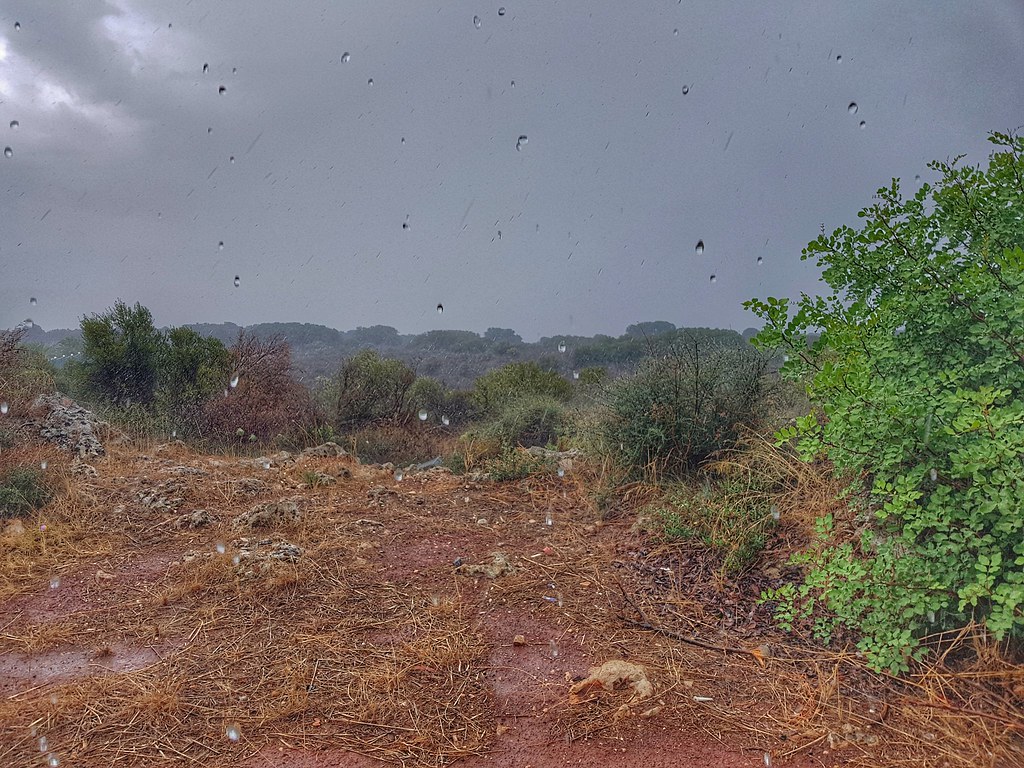
winter arriving early is becoming a reality as Delhi experiences chilly weather and Uttarakhand sees snow. This unusual shift raises questions about the upcoming winter season.
Current Weather Conditions in Delhi
As winter arriving early becomes a topic of discussion, the current weather conditions in Delhi have taken a noticeable turn. With temperatures dropping significantly, residents are feeling the chill earlier than expected. The minimum temperature in the capital has dipped to around 15 degrees Celsius, a stark contrast to the usual warm September climate.
Experts attribute this unusual weather pattern to a combination of factors, including changing wind patterns and the influence of the Himalayas. As the days grow shorter and nights colder, many are already reaching for their winter clothing.
In addition to the chill in the air, the effects of this early winter are being felt across the region, including:
- Increased demand for heating supplies
- Impact on local agriculture, particularly with early frost risks
- Changes in the urban landscape, as residents prepare for the colder months
As the winter season approaches, both the people of Delhi and nearby Uttarakhand brace for its early arrival.
Snowfall in Uttarakhand and Himachal
As winter arrives early in the northern regions of India, Uttarakhand and Himachal Pradesh are experiencing significant snowfall, affecting both local communities and tourists. Reports indicate that the snowfall began in the last week of September, an unusual occurrence that has raised concerns among meteorologists.
The heavy snow has led to various impacts:
- Disruption of Travel: Many roads have become impassable, stranding travelers and affecting local transportation.
- Tourism Effects: While some tourists are eager to enjoy the early snowfall, others are forced to postpone their trips due to adverse weather conditions.
- Agricultural Concerns: Farmers worry about the implications for crops as unseasonal snow could damage early harvests.
With the forecast suggesting continued snowfall, residents are bracing for a challenging winter season. This early arrival of winter could have long-term implications for the economy and environment in both Uttarakhand and Himachal Pradesh.
What This Means for Winter Tourism
The early arrival of winter is set to have significant implications for winter tourism in both Delhi and Uttarakhand. With temperatures dropping earlier than usual, tourists may be encouraged to visit the region to experience the winter landscape and activities.
Tourism operators are optimistic about the potential increase in visitors, anticipating the following benefits:
- Increased Bookings: Hotels and resorts in Uttarakhand are already seeing a spike in inquiries and reservations as travelers seek to take advantage of the early snowfall.
- Adventure Activities: The early winter season opens up opportunities for skiing, snowboarding, and trekking, which can attract adventure enthusiasts.
- Local Economy Boost: An influx of tourists during the winter months can benefit local businesses, from eateries to handicraft shops, contributing to the overall economic growth in the region.
However, challenges may arise, such as ensuring safety on icy roads and managing the influx of visitors, which could strain local resources. As winter arriving early changes the landscape, both opportunities and challenges lie ahead for the tourism industry.
Historical Weather Patterns
Historically, winters in Delhi and the surrounding regions have typically commenced in late November, with temperatures gradually dropping throughout December and January. However, recent patterns suggest that winter is arriving early this year, catching many residents off guard.
In the past few decades, climate data indicates a trend toward unpredictable weather patterns. This shift has been marked by:
- Earlier Snowfalls: Notably, significant snowfall events in Uttarakhand and Himachal Pradesh have been recorded before the traditional season.
- Temperature Fluctuations: Sudden drops in temperature have become more frequent, leading to colder spells earlier in the year.
- Increased Rainfall: Pre-winter precipitation has also increased, contributing to an unexpected chill in the air.
These changes not only affect daily life but also raise concerns about agriculture and water resources, as farmers adapt to the new climate reality. As winter is arriving early, it remains to be seen how these historical shifts will influence the region moving forward.
Expert Opinions on Climate Trends
As winter arrives early in parts of northern India, experts are weighing in on the potential implications for both climate and local communities. Dr. Anjali Sharma, a climate scientist, emphasizes that this early onset of winter is indicative of shifting weather patterns. “We are witnessing significant changes in seasonal cycles due to climate change,” she states. “The early arrival of winter can disrupt agriculture and affect water resources.”
Additionally, environmental analyst Rajiv Mehta notes that such trends are not isolated. “Extreme weather events are becoming more frequent, and this early winter could be a precursor to harsher conditions in the future,” he warns.
Local farmers are also feeling the impact, with many expressing concerns about crop yields. “If the cold continues, we might face challenges with our harvests,” says farmer Sunil Kumar.
Overall, the early arrival of winter raises questions about adaptation and resilience in the face of changing climatic conditions.
The unusual phenomenon of winter arriving early has caught residents of Delhi and Uttarakhand off guard, prompting concerns about the impact on agriculture. As winter arriving early brings colder temperatures, farmers are now faced with challenges in crop management and livestock care.
By Stavros Filippakis via Openverse


