
 Michael Brown
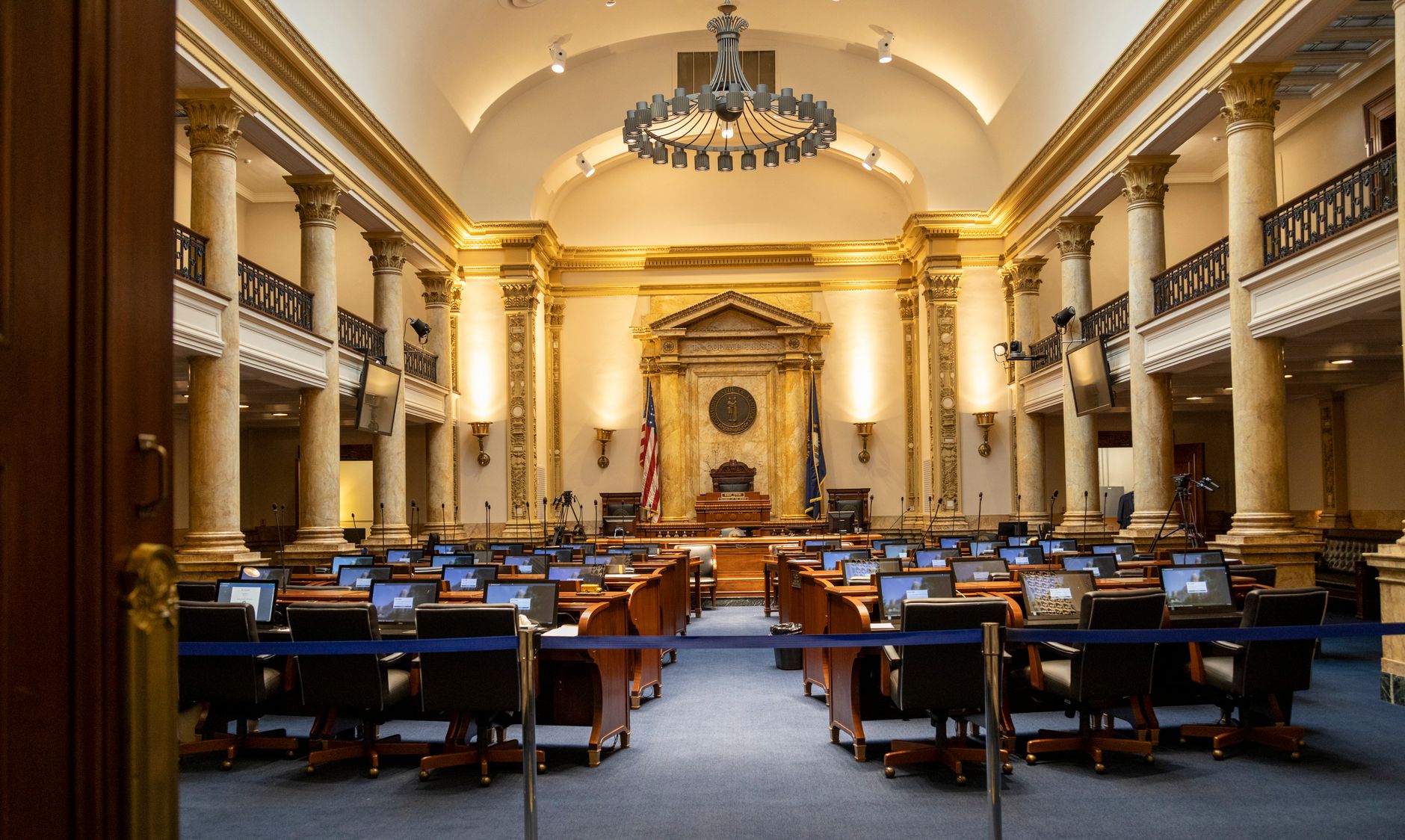
US Senate debate Michigan provided crucial insights into the candidates’ positions and policies. This debate showcased the contrasting views of El-Sayed and Rogers, offering voters a clearer picture of their choices.
Overview of the US Senate debate
The recent US Senate debate in Michigan showcased the contrasting visions of the candidates, providing voters with critical insights ahead of the upcoming election. With the economy, healthcare, and climate change as central themes, the debate highlighted the differing approaches proposed by each candidate.
Key moments from the debate included:
- Economic Strategies: Candidates presented their plans to address inflation and job creation, with strong emphasis on supporting local businesses.
- Healthcare Access: The discussion focused on expanding healthcare coverage, with El-Sayed advocating for a universal healthcare system while Rogers emphasized market-driven solutions.
- Climate Initiatives: Environmental policies were debated, with candidates outlining their priorities for addressing climate change, particularly in relation to Michigan’s Great Lakes.
- Voter Engagement: Both candidates encouraged voters to participate actively in the electoral process, emphasizing the importance of civic duty.
As the US Senate debate in Michigan concluded, voters were left with a clearer understanding of where each candidate stands on key issues, making it essential for them to weigh these arguments carefully as they prepare to cast their votes.
Key candidates: El-Sayed vs. Rogers
The recent US Senate debate in Michigan featured a dynamic exchange between key candidates Abdul El-Sayed and Mike Rogers, each bringing distinct perspectives to the forefront. Voters were presented with a clear contrast in their approaches to crucial issues affecting the state.
El-Sayed, a former state health director, emphasized his commitment to expanding healthcare access and addressing climate change. He advocated for progressive policies that aim to uplift marginalized communities. El-Sayed’s passionate delivery resonated with younger voters who seek ambitious reforms.
In contrast, Rogers, a former congressman, focused on national security and economic stability. He argued for a more traditional approach, emphasizing the importance of bipartisan cooperation and fiscal responsibility. Rogers highlighted his extensive experience in government, appealing to voters looking for a candidate with a proven track record.
As the US Senate debate in Michigan unfolded, both candidates addressed pressing concerns such as inflation, education, and infrastructure. Voters are left to ponder which candidate aligns more closely with their values and priorities as the election approaches.
- El-Sayed’s progressive vision
- Rogers’ experience and stability
Major topics discussed in the debate
During the US Senate debate in Michigan, several major topics were at the forefront of the candidates’ discussions, providing voters with clear insights into their positions.
- Healthcare: Both candidates presented their views on healthcare reform, with El-Sayed advocating for universal healthcare access, while Rogers emphasized improving existing systems and reducing costs.
- Economic Policy: The debate featured a robust discussion about economic strategies, where El-Sayed proposed investing in green jobs, and Rogers focused on tax cuts for small businesses to stimulate growth.
- Education: Education reform also took center stage, with El-Sayed stressing the need for increased funding for public schools, whereas Rogers highlighted the importance of school choice and charter schools.
- Infrastructure: The candidates addressed Michigan’s aging infrastructure, with El-Sayed calling for substantial federal investment, while Rogers favored a more localized approach to repairs and upgrades.
- Climate Change: Climate policy was a critical issue, as El-Sayed pushed for aggressive action on climate change, contrasting with Rogers, who advocated for a balanced approach that considers economic impacts.
These discussions during the US Senate debate Michigan shaped the candidates’ platforms and provided voters with essential information for their decision-making.
Voter reactions to the debate
Following the intense US Senate debate in Michigan, voter reactions have varied widely, reflecting a spectrum of opinions and concerns about the candidates and their platforms. Many attendees expressed a strong interest in the candidates’ stances on local issues, particularly regarding healthcare and education.
- Support for El-Sayed: Some voters praised El-Sayed for his progressive approach, emphasizing his commitment to universal healthcare and climate change initiatives. “He really resonates with the younger crowd,” noted one college student.
- Concerns for Rogers: Conversely, supporters of Rogers voiced concerns about El-Sayed’s policies, arguing that they could lead to increased taxes. “Rogers offers a more pragmatic approach,” mentioned a local business owner, highlighting economic stability.
- Mixed Reactions: Many undecided voters are still weighing their options. “Both candidates have strong points, but I need more clarity on their plans,” said a voter after the debate.
As the election approaches, it’s clear that the US Senate debate in Michigan has sparked critical discussions among voters, shaping their perceptions of each candidate’s viability and vision for the future.
Implications for the upcoming election
The recent US Senate debate in Michigan has significant implications for the upcoming election. As candidates Abdul El-Sayed and Mike Rogers showcased their platforms, voters were offered a clearer picture of their priorities and how they align with public interests. The debate highlighted several critical issues that are likely to influence voter decisions.
Among the most pressing topics were:
- Healthcare reform: El-Sayed emphasized the need for universal healthcare, while Rogers focused on insurance market solutions.
- Economic policies: Both candidates presented contrasting approaches to job creation and economic growth, which resonated differently with the audience.
- Climate change: The debate underscored the urgency of environmental policies, with El-Sayed advocating for aggressive measures.
The contrasting viewpoints offered by both candidates reflect the diverse opinions within Michigan’s electorate. As the election approaches, it is crucial for voters to consider how each candidate’s stance on these issues aligns with their values and needs. The US Senate debate in Michigan served as a critical platform for shaping the narrative leading into the polls.
US Senate debate Michigan highlights
The recent US Senate debate in Michigan showcased several key highlights that voters should consider as they head to the polls. Both candidates, El-Sayed and Rogers, presented distinct visions for the future of Michigan.
- Healthcare: El-Sayed emphasized the need for universal healthcare, arguing that access to medical services is a fundamental right. In contrast, Rogers focused on improving existing systems and reducing costs without implementing a complete overhaul.
- Jobs and Economy: The candidates discussed strategies to boost Michigan’s economy. El-Sayed advocated for investing in green energy jobs, while Rogers highlighted the importance of supporting traditional industries and small businesses.
- Education: Both candidates acknowledged the challenges facing Michigan’s education system. El-Sayed proposed increased funding for public schools, whereas Rogers suggested increasing school choice options to enhance educational quality.
- Environmental Issues: Climate change was a prominent topic, with El-Sayed calling for aggressive action to combat its effects, while Rogers expressed caution regarding regulations that could impact local economies.
These highlights from the US Senate debate in Michigan provide voters with critical insights into each candidate’s priorities and proposed solutions.
The US Senate debate Michigan highlighted key issues that resonate with voters across the state. Many candidates emphasized their stances on healthcare and the economy during the US Senate debate Michigan.
Photo by raksasok heng on Pexels
Where this came from
Related reading
Green Cards Freeze: Worst Impact on IT Firms and Universities · Is Gemini AI Agent the Best Choice Against OpenAI? · MRI Monitoring Dual ROS Therapy: Proven Method to Shrink Tumors


