Michael Brown
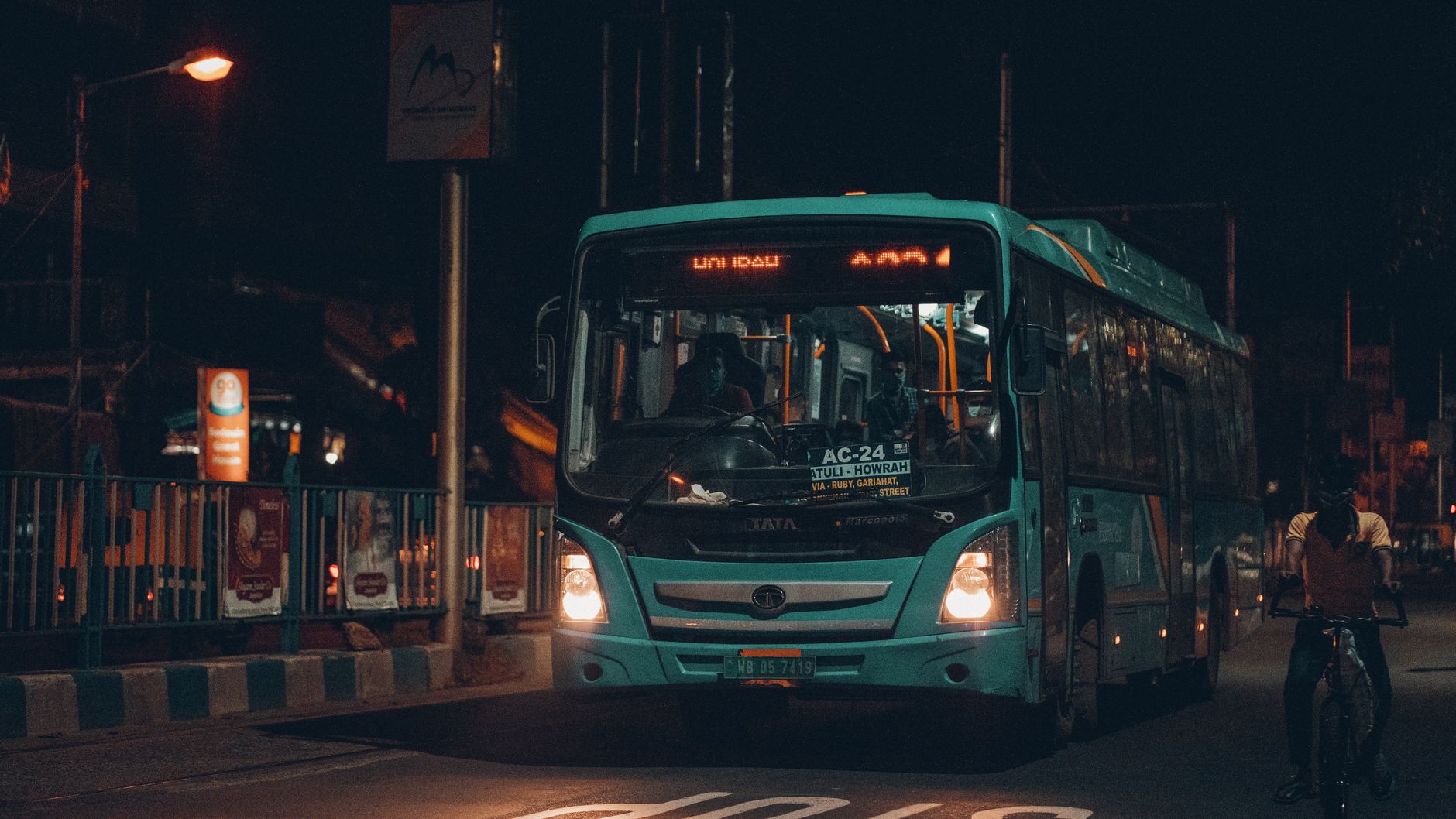
The public bus service is making a comeback after two decades, bringing new hope for better transportation options in the city.
Overview of the Public Bus Service
The public bus service is set to make a significant return, marking a pivotal change in local transportation options. After a two-decade hiatus, the relaunch aims to provide a reliable and efficient mode of travel for residents and visitors alike.
This revitalized service will focus on several key objectives:
- Accessibility: Ensuring that all community members can easily access public transportation.
- Sustainability: Implementing eco-friendly buses to reduce the carbon footprint.
- Affordability: Offering competitive pricing to make commuting economical for everyone.
- Efficiency: Establishing routes and schedules that cater to peak travel times, minimizing wait times.
Officials are optimistic that the public bus service will not only enhance mobility but also encourage more residents to opt for public transport, thereby reducing traffic congestion and promoting a greener environment.
As the launch date approaches, additional details regarding routes and schedules will be made available to the public.
Benefits of the Relaunch
The relaunch of the public bus service brings numerous benefits that can greatly enhance transportation options for the community. These advantages include:
- Increased Accessibility: The new routes and schedules will make it easier for residents to reach key destinations, including schools, hospitals, and shopping centers.
- Environmental Impact: By providing a reliable public bus service, the initiative aims to reduce traffic congestion and lower carbon emissions, contributing to a greener environment.
- Cost-Effective Transportation: Public bus services offer an affordable alternative to personal vehicles, helping families save on fuel and parking costs.
- Job Creation: The relaunch will generate employment opportunities within the community, from bus drivers to administrative roles.
- Improved Community Connectivity: Enhanced public transport options will strengthen social ties, allowing residents to engage more easily with one another.
Overall, the relaunch promises to transform daily commuting and promote a more connected community.
How the New Service Will Operate
The revitalized public bus service is set to enhance connectivity and convenience for residents. Here’s how the new service will operate:
- Timetable Implementation: Buses will run on a strict timetable to ensure punctuality, with frequent services during peak hours.
- Modern Fleet: The new fleet will include environmentally friendly vehicles equipped with real-time tracking technology.
- Accessible Routes: Routes will cover key areas, including residential neighborhoods, commercial centers, and educational institutions, making it easier for commuters.
- Affordable Pricing: Ticket prices will be set at a competitive rate, with discounts available for students and senior citizens.
- Community Engagement: Public feedback will be actively sought to adjust routes and schedules to better serve the community’s needs.
Overall, the new public bus service aims to provide a reliable and user-friendly transportation option for all residents.
Community Reactions to the Bus Service
Community reactions to the relaunch of the public bus service have been overwhelmingly positive, with many residents expressing their excitement and optimism. Local leaders and citizens alike have shared their hopes for improved transportation options and enhanced connectivity throughout the area.
Several community members highlighted the importance of the public bus service in reducing traffic congestion and providing affordable travel options for those who rely on public transportation.
- Accessibility: Many residents believe the relaunch will make it easier for seniors and individuals without personal vehicles to access essential services.
- Environmental Impact: Several groups noted that a reliable bus service could contribute to fewer cars on the road, thus lowering carbon emissions.
- Economic Growth: Local businesses are hopeful that improved transit will bring more customers to their doors.
As anticipation builds, community meetings are being organized to gather further input and ensure the public bus service meets the needs of all residents.
Comparative Analysis with Other Transport
In comparing the relaunch of the public bus service with other modes of transportation, several key factors emerge. Both private vehicles and ridesharing services offer convenience, but they often come with higher costs and environmental concerns. In contrast, the public bus service aims to provide an affordable and eco-friendly alternative that is accessible to all community members.
Additionally, unlike trains and subways that require extensive infrastructure, buses can adapt to existing road networks, minimizing the need for costly construction projects. This flexibility allows the public bus service to reach underserved areas, making it a vital component of urban mobility.
Moreover, while cycling and walking promote health benefits, they may not be practical for longer distances or during inclement weather. The public bus service bridges this gap, offering a reliable option for commuting, shopping, and other daily activities, thus enhancing the overall transport ecosystem.
- Cost-effective
- Environmentally friendly
- Flexible routes
- Accessible to all
Expected Routes and Timings
The relaunch of the public bus service is set to enhance connectivity across the city, with expected routes carefully designed to meet the needs of the community. The planned routes include:
- Route A: Downtown to Northside, operating every 30 minutes from 6 AM to 8 PM.
- Route B: East End to West Village, with hourly service from 7 AM to 9 PM.
- Route C: Central Park to Riverfront, running every 45 minutes from 5 AM to 10 PM.
Timings have been established to accommodate the varying schedules of commuters and to minimize wait times. Additionally, the public bus service will offer late-night routes on weekends to cater to those enjoying the nightlife. The integration of real-time tracking technology will allow passengers to monitor bus locations and expected arrival times, ensuring a reliable commuting experience. With these enhancements, the community is optimistic about the future of public transportation.
Challenges Faced in the Relaunch
The relaunch of the public bus service is not without its challenges. Officials acknowledge several hurdles that need to be addressed before the new system can operate smoothly.
- Funding: Securing adequate financing for the initial setup and ongoing maintenance of the bus service is crucial. Budget constraints may hinder the scale of the relaunch.
- Infrastructure: Many bus stops and routes need significant upgrades to meet safety and accessibility standards. This requires both time and resources.
- Public Awareness: Educating the community about the new service and its benefits is essential. Lack of awareness could lead to low ridership initially.
- Staffing: Recruiting and training qualified drivers and support staff poses another challenge, especially in a tight labor market.
Despite these challenges, the commitment to revitalize the public bus service remains strong, with stakeholders optimistic about overcoming these obstacles.
Future of Public Transportation
The future of public transportation is increasingly reliant on sustainable and accessible solutions, with the public bus service set to play a pivotal role in this transformation. As cities expand and populations grow, efficient mass transit options become essential for reducing traffic congestion and minimizing environmental impact.
Experts predict that the relaunch of the public bus service will not only enhance connectivity between neighborhoods but also encourage more residents to opt for public transit over personal vehicles. This shift could lead to a significant reduction in carbon emissions, contributing to a cleaner urban environment.
Moreover, the integration of technology in the public bus service, such as real-time tracking and mobile payment options, is expected to improve user experience and attract a wider audience. Community feedback has already indicated enthusiasm for these advancements, highlighting a collective desire for a modern and reliable transportation system.
In summary, the successful relaunch of the public bus service may well set a precedent for future developments in urban mobility.
Photo by Rupinder Singh on Pexels