
 Michael Brown
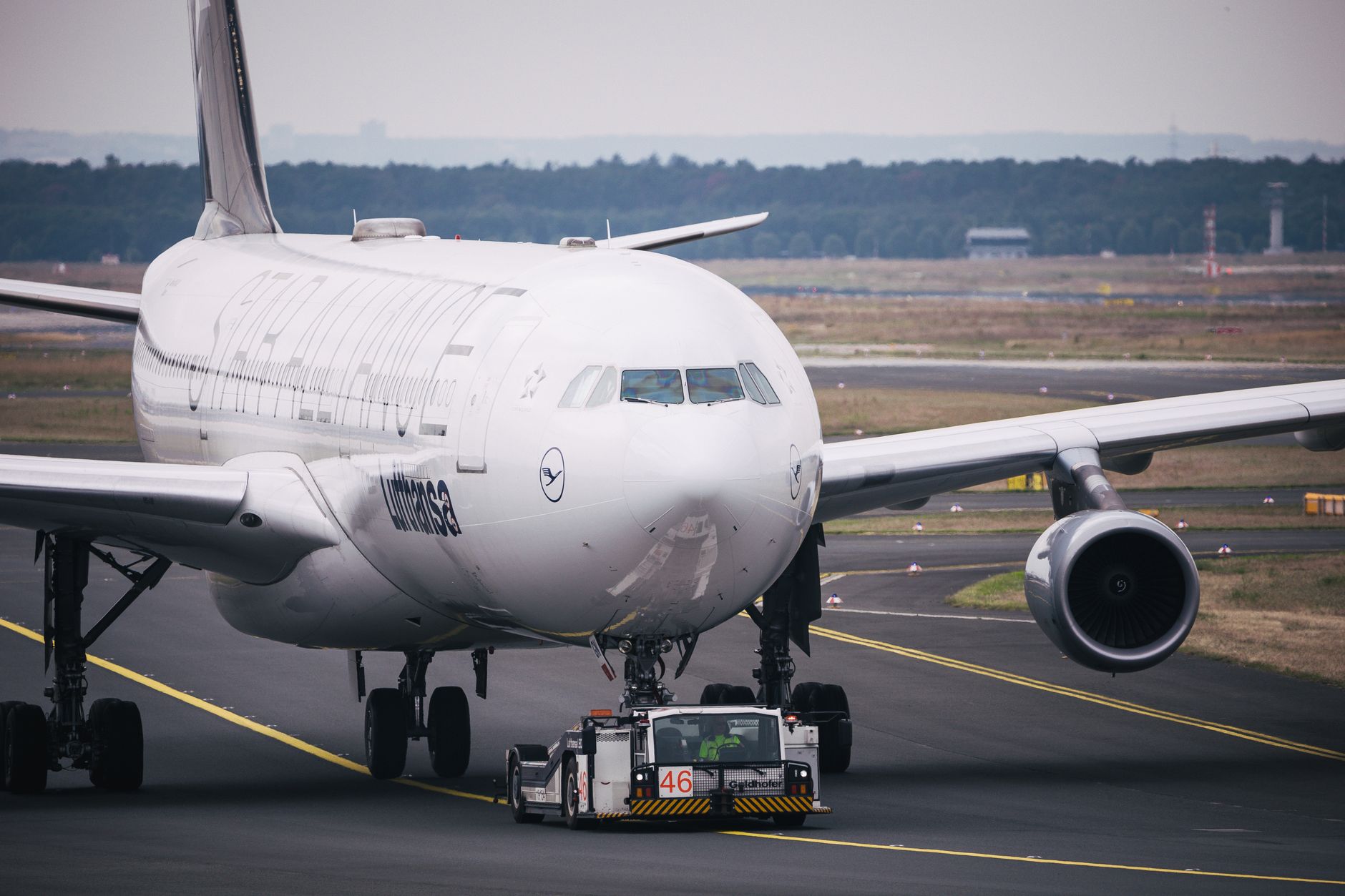
FAA nationwide ground stop has been declared, leading to unprecedented flight disruptions across the United States. Travelers are advised to stay informed as the situation develops.
What Caused the FAA Nationwide Ground Stop?
The FAA nationwide ground stop was initiated due to a significant technical issue that affected the agency’s ability to process flight information. This rare occurrence prompted immediate action to ensure the safety of travelers across the nation. Airlines were instructed to halt all departures while the situation was being assessed, leading to widespread disruptions in air travel.
According to reports, the problem originated from a failure in a critical system responsible for managing flight data. This failure not only impacted commercial flights but also caused delays for cargo and private aircraft. Travelers at airports across the country experienced extended wait times, confusion, and frustration as they awaited updates on their flights.
The FAA’s decision to implement a nationwide ground stop was described as a precautionary measure, reflecting the agency’s commitment to prioritize passenger safety. In response to the disruption, various airlines issued statements apologizing for the inconvenience and assuring customers that they were working diligently to resume operations as quickly as possible.
As the situation unfolds, officials continue to investigate the root cause of the technical failure. Passengers are encouraged to check with their airlines for the latest updates regarding flight statuses and potential rebooking options. The FAA nationwide ground stop serves as a reminder of the challenges that can arise within the aviation system, highlighting the importance of robust technology in ensuring safe air travel.
Impact on Travelers and Airlines
The recent FAA nationwide ground stop has had a significant impact on travelers and airlines across the country. With flights grounded for several hours, many passengers found themselves stranded at airports, facing long lines and uncertainty regarding their travel plans.
Airlines scrambled to manage the chaos as they worked to rebook affected flights and communicate with passengers. The ground stop not only affected domestic flights but also had ripple effects on international travel, causing delays and cancellations that extended far beyond U.S. borders. Travelers reported:
- Extended waiting times at airport check-in counters.
- Frustration over lack of information regarding flight statuses.
- Increased pressure on customer service representatives as they fielded inquiries from concerned passengers.
Many airlines issued statements apologizing for the inconvenience and urging travelers to check their flight status before heading to the airport. Some airlines even waived change fees to accommodate those impacted by the disruptions.
The FAA nationwide ground stop highlights the fragility of air travel infrastructure and the cascading effects that a single event can have on millions of travelers. As the situation evolves, both airlines and passengers await updates on flight resumption and recovery efforts.
How Long Will the Ground Stop Last?
The FAA nationwide ground stop has left travelers and airlines alike eager for information on how long this disruption will last. As of now, officials have not provided a definitive timeline for the duration of the ground stop, which has been described as rare and unprecedented in its scale.
According to sources within the FAA, the situation is evolving, and they are working diligently to resolve the issues that led to the ground stop. The agency has stated that safety remains its top priority, and they will not lift the ground stop until they are confident that operations can resume safely.
Travelers are advised to check their flight status frequently, as airlines are actively working to accommodate affected passengers. The FAA has indicated that updates will be provided as they have more information, but for now, the uncertainty continues to impact thousands of flights nationwide.
In the meantime, passengers are encouraged to:
- Stay in touch with their airlines for the latest updates.
- Consider alternative travel plans if their flights are significantly delayed.
- Remain patient as airlines navigate through these disruptions.
The FAA nationwide ground stop serves as a reminder of the fragile nature of air travel and the importance of preparedness in the face of unexpected events.
Airlines Respond to the FAA Announcement
Following the FAA nationwide ground stop announcement, airlines swiftly began to respond to the unprecedented situation. Major carriers took immediate action to inform passengers about the disruptions and potential delays. Many airlines issued statements urging travelers to check their flight status before heading to the airport.
Among the airlines that promptly communicated with their customers were:
- American Airlines: Announced that they would be working closely with the FAA to resume operations safely and efficiently.
- Delta Air Lines: Provided updates via social media, advising passengers to remain flexible with their travel plans.
- United Airlines: Offered options for rebooking without additional fees for affected travelers.
- Southwest Airlines: Encouraged customers to monitor for updates, emphasizing the importance of checking flight statuses online.
Passengers were advised to stay informed as the situation developed. Many airlines also extended their customer service hours to assist travelers facing cancellations or delays. The FAA nationwide ground stop not only disrupted domestic flights but also had a ripple effect on international travel, leading to widespread concern among passengers worldwide.
As the industry grapples with this rare event, airlines are focused on prioritizing safety and minimizing inconvenience for their customers.
Safety Measures During the Ground Stop
In light of the recent FAA nationwide ground stop, safety measures have been prioritized to ensure the well-being of passengers and crew members. The unexpected halt in air traffic has prompted various protocols to be enacted by both the FAA and individual airlines.
Among the key safety measures implemented during the ground stop are:
- Enhanced Communication: Airlines are working closely with the FAA to provide real-time updates to travelers. Notifications via text messages, emails, and app alerts have become essential for keeping passengers informed.
- Grounded Aircraft Inspections: Airlines are conducting thorough inspections on all grounded aircraft to ensure they are ready for operation once flights resume. Maintenance crews are on standby to address any issues that may arise.
- Passenger Assistance: Airlines are deploying additional staff at airports to assist stranded passengers. This includes providing accommodation, meal vouchers, and rebooking options for travelers affected by the ground stop.
- Coordination with Security Teams: Enhanced security measures are being enacted at airports to ensure that all safety protocols are adhered to, maintaining a secure environment for travelers.
The FAA’s decision for a nationwide ground stop emphasizes the importance of safety in aviation, reminding all stakeholders of the need for vigilance even during periods of disruption.
What to Do If Your Flight Is Affected
If your flight is affected by the FAA nationwide ground stop, it is crucial to take immediate action to manage your travel plans. Here are some steps you can take:
- Check Flight Status: Visit your airline’s website or use their mobile app to get real-time updates on your flight. Most airlines will provide information on delays or cancellations.
- Contact Your Airline: If your flight has been canceled or rescheduled, reach out to your airline’s customer service. Be prepared for long wait times due to high call volumes.
- Explore Alternative Flights: If your flight is canceled, inquire about rebooking options. Many airlines are waiving change fees during this disruption, allowing you to book a new flight without additional costs.
- Stay Informed: Follow news updates regarding the FAA nationwide ground stop. Social media platforms and news websites can provide timely information about the situation.
- Consider Travel Insurance: If you haven’t already, consider purchasing travel insurance for future trips. This can help cover expenses related to cancellations and delays.
It is essential to remain calm and flexible during this challenging time. With the right information and resources, you can navigate the disruptions effectively.
Reactions from Passengers and Crew
As news of the FAA nationwide ground stop spread, reactions from passengers and crew members varied widely. Many travelers expressed frustration and confusion over the sudden halt in flights, with some taking to social media to voice their concerns.
- Passenger Experiences: “I was at the gate ready to board when we heard the announcement. It felt surreal,” said one traveler at a busy airport. Many passengers reported being stranded in terminals, with no clear communication from airlines regarding next steps.
- Flight Crew Reactions: Flight attendants and pilots echoed similar sentiments, stressing that they understood the inconvenience but emphasized the importance of safety. “It’s frustrating for us too; we want to get our passengers to their destinations,” remarked a flight attendant who had been preparing for takeoff.
- Community Support: Amidst the chaos, some passengers banded together, sharing food and updates while waiting for further information. “We’re all in this together,” a traveler stated, highlighting the camaraderie that often emerges in such situations.
As the FAA works to resolve the situation, many are left wondering when normal operations will resume. In the meantime, travelers continue to navigate the challenges posed by this unprecedented disruption, hoping for timely updates and solutions.
Future Implications for Air Travel
The recent FAA nationwide ground stop has raised significant concerns about the future of air travel in the United States. As airlines and passengers grapple with the immediate fallout, experts are contemplating the long-term implications of such disruptions on the aviation industry.
One of the key areas of concern is the potential for increased regulatory scrutiny. Following this unprecedented event, it is likely that the FAA will implement stricter guidelines and protocols to prevent similar occurrences in the future. This could lead to enhanced maintenance checks, upgraded technology in air traffic control systems, and more rigorous training for personnel involved in flight operations.
Moreover, the reliability of air travel is paramount for both business and leisure travelers. Frequent disruptions could cause travelers to seek alternative modes of transportation or even reconsider the necessity of air travel altogether. Airlines may need to invest in better contingency plans and customer service strategies to maintain passenger trust and loyalty.
Additionally, the financial impact on airlines could lead to fare increases as carriers try to recover from lost revenue. With the aviation industry’s recovery still in progress post-pandemic, any increase in operational costs may deter consumers and further complicate market dynamics.
Ultimately, the FAA nationwide ground stop serves as a wake-up call for the industry, emphasizing the need for resilience and adaptability to ensure safe and reliable travel in the future.
The FAA nationwide ground stop has led to widespread delays and cancellations across the country. Travelers are advised to check their flight status frequently due to the ongoing effects of the FAA nationwide ground stop.
Photo by Julius Weidenauer on Pexels


