
 Michael Brown
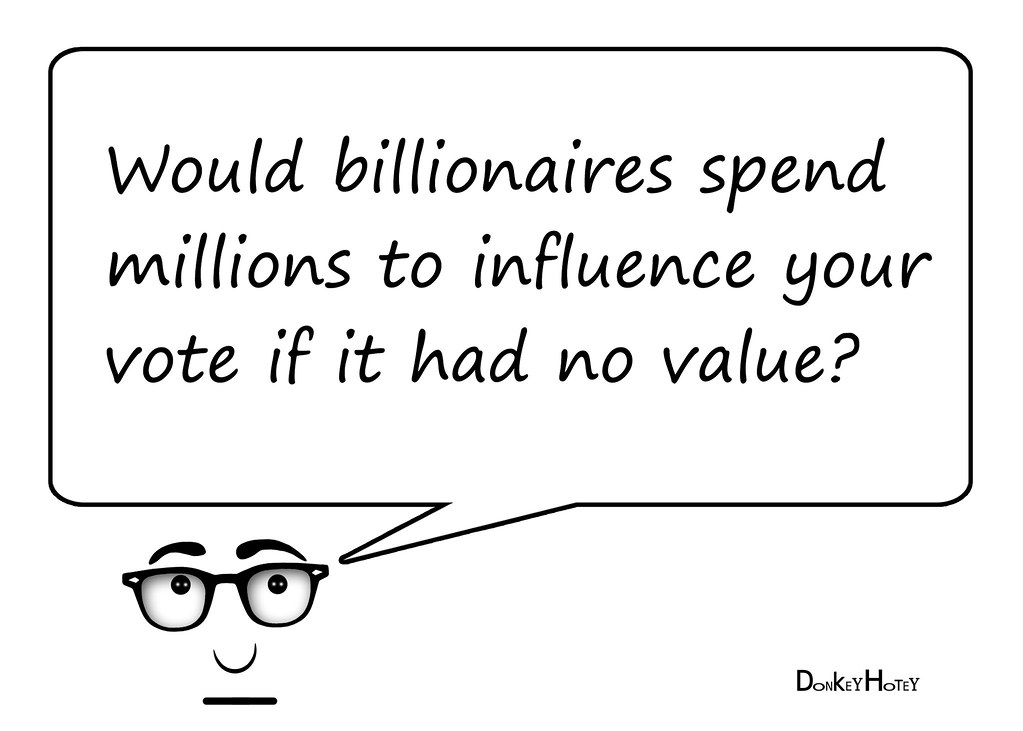
Disenfranchising millions is a critical issue highlighted by SC judge Ujjal Bhuyan amid the SIR row. This situation calls for urgent attention and action to protect democratic rights.
Understanding the SIR Row
The ongoing SIR row has sparked significant debate across the nation, raising concerns about its implications for democracy and civic engagement. At the heart of this controversy is a decision that critics argue is disenfranchising millions, undermining the foundational principle of fair representation.
Legal experts and social activists have voiced their apprehensions, emphasizing that the ruling could disproportionately affect marginalized communities. Justice Ujjal Bhuyan has been vocal in his dissent, stating, “No whataboutery can justify disenfranchising millions.” This sentiment resonates with many who fear that the current trajectory may lead to a systemic erosion of voting rights.
The SIR row also raises questions about the transparency and accountability of electoral processes. As citizens become increasingly aware of the potential ramifications, there is a growing call for reforms to ensure that every voice is heard, and no one is left behind.
In light of these developments, it is crucial for stakeholders to engage in constructive dialogue to safeguard the democratic rights of all individuals.
The Role of the Supreme Court
The ongoing SIR row has drawn significant attention, particularly regarding the role of the Supreme Court in addressing issues that could lead to disenfranchising millions. Justice Ujjal Bhuyan, a prominent figure in the court, emphasized the importance of protecting voters’ rights during recent hearings.
He stated that no justification, including political considerations, should allow for the marginalization of citizens’ voices. The implications of this case extend beyond legal interpretations; they touch on the foundational principles of democracy.
Key points raised during the proceedings include:
- The necessity for fair representation in electoral processes.
- The potential consequences of legal decisions on voter accessibility.
- The responsibility of the judiciary to uphold democratic values.
As the Supreme Court deliberates, the broader impact of its decisions on disenfranchising millions hangs in the balance, highlighting the critical intersection of law and civic engagement.
Judge Ujjal Bhuyan’s Statement
In a compelling statement regarding the ongoing SIR row, Judge Ujjal Bhuyan emphasized the profound implications of disenfranchising millions. He articulated that no justification, particularly in the context of political disputes, can excuse actions that strip away the fundamental rights of citizens. The judge underscored the importance of upholding democratic principles and ensuring that every individual’s voice is heard and respected.
Judge Bhuyan expressed concern over the potential long-term consequences of such disenfranchisement, highlighting that it could lead to a growing disillusionment with the political process. He noted that when large segments of the population feel excluded, it undermines the very fabric of democracy.
Moreover, he called for a collective responsibility among lawmakers and institutions to safeguard rights and foster an inclusive environment. As debates continue, his remarks serve as a reminder of the critical need to prioritize the rights of the electorate over partisan interests.
Impact on Voter Rights
The ongoing SIR row has raised serious concerns about the erosion of voter rights in the country. As various groups mobilize to address these issues, the implications of disenfranchising millions cannot be overlooked. Many citizens fear that their voices will be silenced in future elections, leading to a significant impact on democratic participation.
According to legal experts, the consequences of this situation extend beyond mere access to the polls. They argue that disenfranchising millions undermines the very foundation of democracy, creating a ripple effect that can diminish civic engagement and trust in governmental institutions.
The Supreme Court’s recent statements have sparked a renewed debate about the necessity for reform. Key points of concern include:
- The accessibility of voting mechanisms
- The transparency of electoral processes
- The protection of minority voting rights
As the nation grapples with these challenges, the call for action to protect voter rights grows louder, emphasizing the need for urgent solutions.
Public Response to Disenfranchisement
The public response to the recent SIR row has been overwhelmingly critical, with many citizens voicing their concerns about the implications of disenfranchising millions. Social media platforms have become a battleground for debates surrounding voter rights and the integrity of the electoral process.
- Activist Groups Mobilize: Numerous organizations are rallying to raise awareness about the potential consequences of the Supreme Court’s decisions, encouraging citizens to participate in peaceful protests.
- Community Forums: Town hall meetings and online forums are being organized to discuss the implications of the SIR row and to strategize on how to protect voter rights.
- Legal Action: Some groups are exploring the possibility of legal challenges to prevent any measures that could disenfranchise millions.
Many citizens feel a sense of urgency, as they believe that the integrity of democracy is at stake. They emphasize that protecting the right to vote is essential for a fair and just society.
Next Steps for Justice
As the discourse surrounding the SIR row continues to evolve, the next steps for justice are crucial for restoring the rights of those affected. Legal experts and advocates emphasize the need for immediate action to prevent disenfranchising millions from participating in the democratic process.
Several key measures are being proposed:
- Legislative Reform: Lawmakers are urged to introduce clear guidelines that ensure fair voting practices and protect citizens’ rights.
- Judicial Oversight: Increased scrutiny of election laws and practices is necessary to prevent future injustices.
- Public Awareness Campaigns: Engaging the community through educational initiatives can empower voters and promote understanding of their rights.
- Coalition Building: Advocacy groups are encouraged to unite in their efforts to challenge policies that threaten voter access.
As emphasized by Judge Ujjal Bhuyan, the fight against disenfranchising millions is not just a legal battle, but a moral imperative that demands collective action from all sectors of society.
By DonkeyHotey via Openverse


