
 Michael Brown
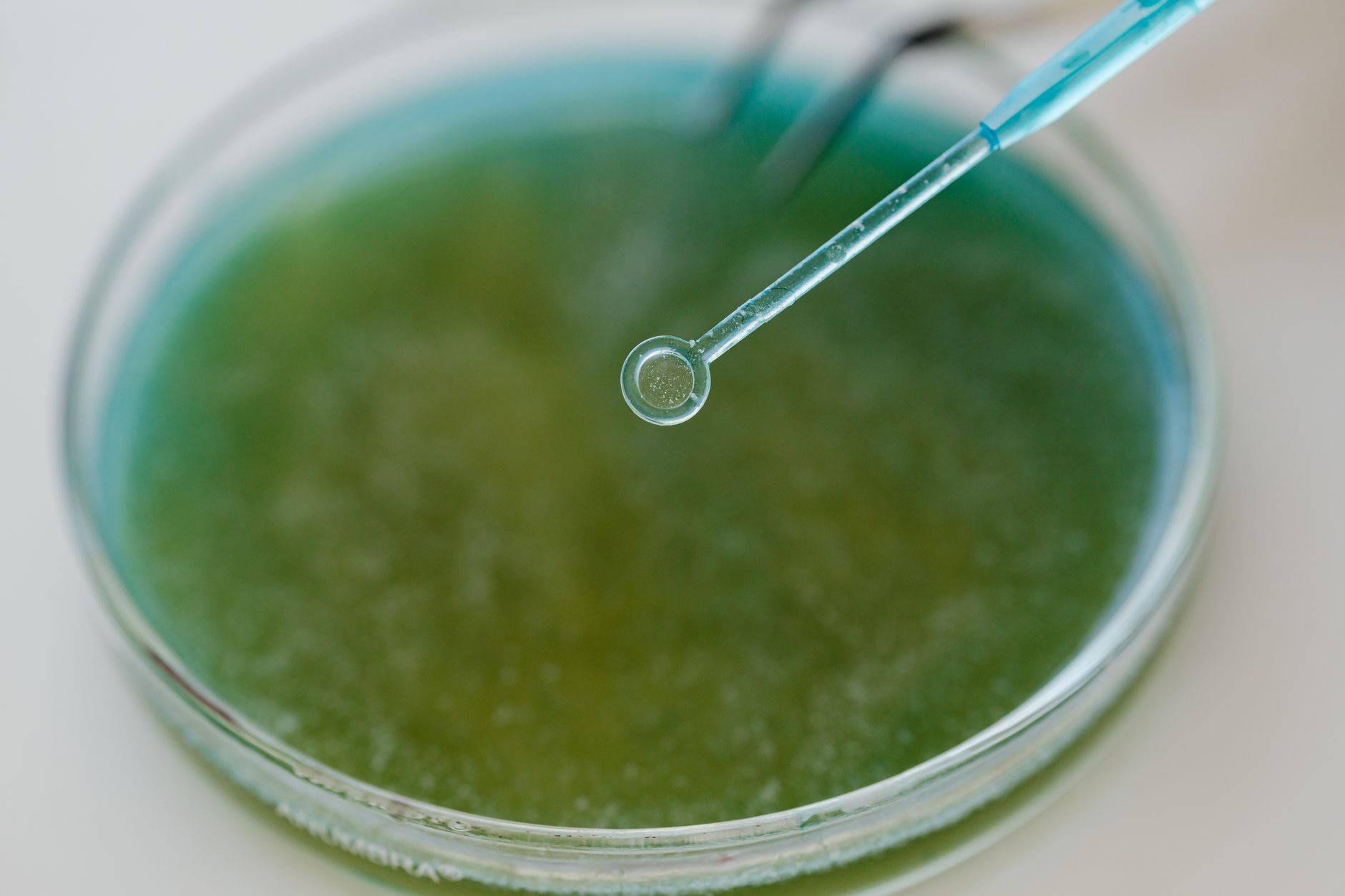
Bacterial growth tracking is crucial for studying how bacteria respond to nutrients and antibiotics. Recent research highlights innovative methods to monitor these changes effectively, providing valuable insights into microbial behavior and treatment strategies.
Understanding Bacterial Growth
Bacterial growth tracking is essential for understanding how bacteria respond to various environmental factors, including nutrients and antibiotics. By monitoring changes in bacterial populations, researchers can gain valuable insights into microbial behavior and resistance patterns.
There are several methods used in bacterial growth tracking:
- Optical Density (OD) Measurement: This technique involves measuring the cloudiness of a culture, which correlates with the number of bacteria present.
- Colony Forming Units (CFU): This method counts viable bacteria by plating diluted samples on agar plates and counting the resulting colonies.
- Real-Time PCR: A molecular technique that quantifies bacterial DNA, providing precise information about growth rates.
- Automated Cell Counters: These devices can rapidly assess bacterial numbers using advanced imaging and analysis software.
Choosing the appropriate method depends on the specific goals of the research and the conditions under which the bacteria are being studied.
The Role of Nutrients
The role of nutrients in bacterial growth tracking is crucial for understanding how different environments affect microbial populations. Bacteria require specific nutrients to thrive, and the availability of these resources can significantly influence their growth rates and behavior.
Researchers have identified several key nutrients that play a vital role in bacterial development:
- Carbon Sources: Essential for energy production and cellular structure.
- Nitrogen Sources: Important for protein synthesis and nucleic acid formation.
- Vitamins and Minerals: Act as co-factors in various biochemical reactions.
By systematically tracking bacterial growth in response to these nutrients, scientists can gain insights into their metabolic pathways and resistance mechanisms. Additionally, this knowledge is pivotal in the development of effective antibiotics and treatment strategies. Monitoring nutrient impacts on bacterial populations enhances our overall understanding of microbial ecology and its implications for health and disease.
Impact of Antibiotics
The impact of antibiotics on bacterial growth is a critical area of study, particularly in the context of bacterial growth tracking. Antibiotics are designed to inhibit or kill bacteria, but their effectiveness can vary significantly based on several factors.
Researchers have identified key aspects of how antibiotics interact with bacterial populations:
- Concentration of Antibiotic: The amount of antibiotic present can determine the extent of bacterial inhibition.
- Duration of Exposure: Prolonged exposure can lead to more significant bacterial death, while short bursts may allow for recovery.
- Type of Antibiotic: Different antibiotics target specific bacterial processes, making some more effective than others against certain strains.
- Resistance Mechanisms: Some bacteria develop resistance, complicating the tracking and efficacy of treatment.
Effective bacterial growth tracking methods are essential to understand these interactions and to develop strategies for managing antibiotic resistance.
Innovative Tracking Methods
Innovative tracking methods are essential for effective bacterial growth tracking. Researchers have developed a variety of techniques to monitor bacterial populations and their responses to environmental changes.
- Fluorescent Markers: This method involves tagging bacteria with fluorescent dyes, allowing scientists to visualize growth and behavior under a microscope.
- Real-Time PCR: Polymerase chain reaction (PCR) is utilized to quantify bacterial DNA, providing accurate measurements of bacterial growth over time.
- Microfluidic Devices: These devices create controlled environments for bacteria, enabling precise monitoring of growth rates in response to different stimuli.
- Automated Cell Counters: This technology uses imaging to quickly and accurately count bacterial cells, streamlining the tracking process.
Each of these methods contributes to understanding bacterial growth dynamics, which is crucial for developing effective treatments and interventions.
Future of Bacterial Research
The future of bacterial research is poised for significant advancements, particularly in the realm of bacterial growth tracking. As scientists continue to unravel the complexities of bacterial behavior, several emerging technologies promise to enhance our understanding and monitoring capabilities.
One promising area is the integration of real-time monitoring systems that utilize advanced imaging techniques. These systems can provide immediate data on bacterial responses to various stimuli, allowing researchers to observe growth patterns dynamically.
Additionally, the development of biosensors is expected to revolutionize tracking methods. These devices can detect specific bacterial signals, offering precise insights into their growth and metabolic activities.
Moreover, the application of machine learning algorithms to analyze large datasets will enable researchers to predict bacterial behavior under different environmental conditions. This could lead to breakthroughs in antibiotic development and infection control.
As these innovations unfold, the future of bacterial growth tracking appears brighter than ever, paving the way for more effective interventions in healthcare and industry.
Photo by https://kaboompics.com/ on Pexels


