Michael Brown
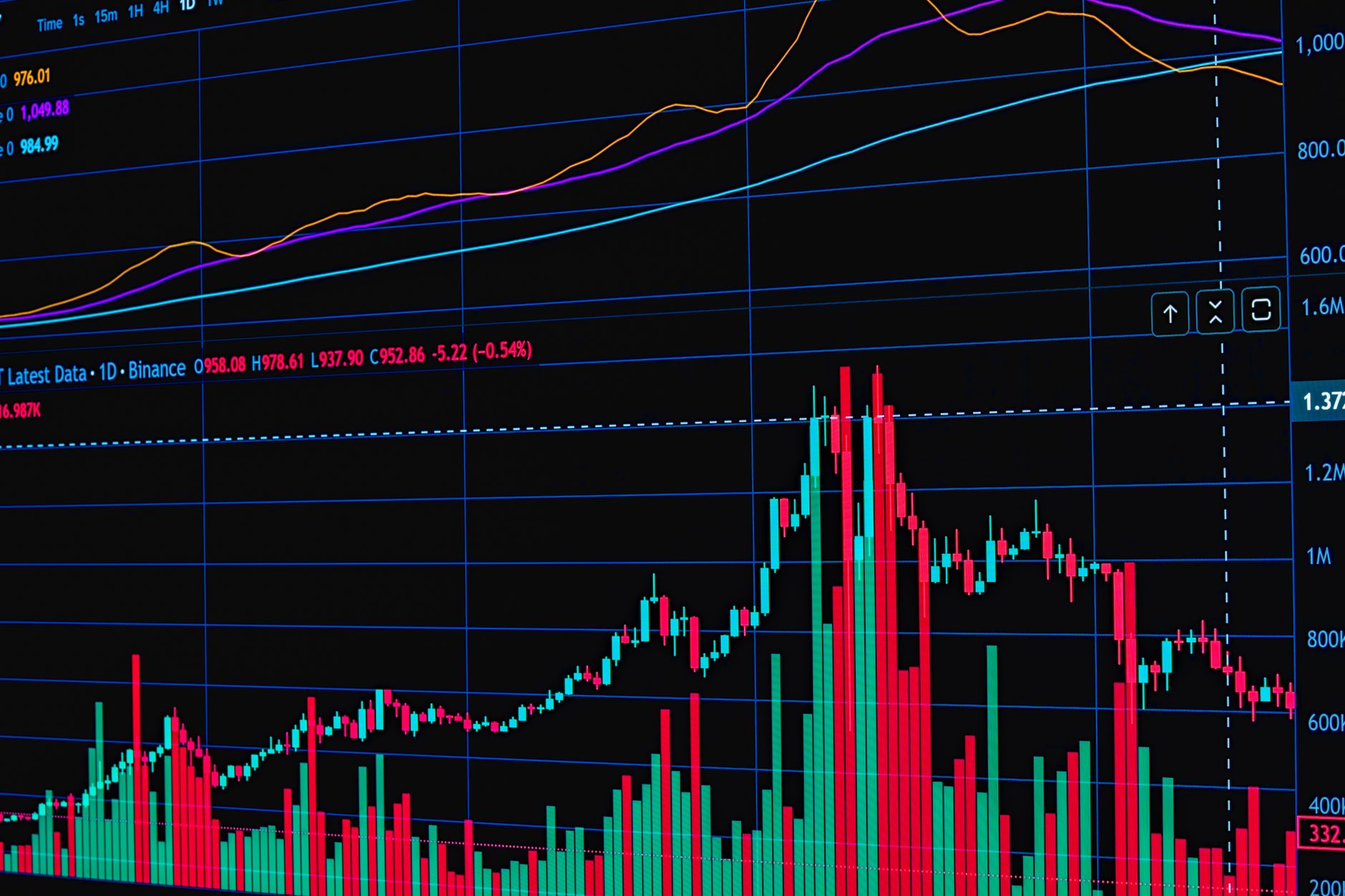
The Nvidia earnings report has generated significant interest, especially as it marks the first update since Jensen Huang’s resignation. Analysts are eager to see how the company performed amidst leadership changes.
Overview of Nvidia’s Earnings
Nvidia’s earnings report has released promising insights following the recent resignation of CEO Jensen Huang. The company’s performance exceeded analysts’ expectations, highlighting its resilience in a competitive market. Key takeaways from the report include:
- Revenue Growth: Nvidia reported a significant year-over-year increase in revenue, driven by robust demand for its graphics processing units (GPUs).
- Profit Margins: The company demonstrated improved profit margins, indicating operational efficiency and effective cost management.
- Market Expansion: Nvidia is expanding its footprint in sectors such as artificial intelligence and gaming, positioning itself for future growth.
Investors reacted positively to the news, reflecting confidence in Nvidia’s strategic direction and potential for sustained performance, as evidenced by this earnings report.
Impact of Jensen Huang’s Resignation
The recent Nvidia earnings report comes at a pivotal moment following the unexpected resignation of CEO Jensen Huang. Industry analysts are closely examining the implications of this leadership change on the company’s future performance.
Huang’s departure has sparked a mix of concerns and optimism among investors. Key insights from the earnings report highlight the following:
- Financial Performance: Nvidia surpassed revenue expectations, indicating strong demand for its products despite leadership uncertainties.
- Market Position: The company remains a leader in the GPU market, showing resilience even as it navigates this transition.
- Future Guidance: Analysts are watching for how Nvidia plans to maintain its growth trajectory without Huang at the helm.
Overall, the Nvidia earnings report reveals a company poised to adapt and innovate, even in challenging circumstances.
Key Financial Metrics
Nvidia’s earnings report showcased strong financial performance, exceeding analysts’ expectations in several key areas. The company reported a revenue increase of 15% year-over-year, driven primarily by robust demand for its GPUs in gaming and data center segments.
Key financial metrics include:
- Earnings Per Share (EPS): $2.85, up from $2.47 last year
- Revenue: $5.92 billion, surpassing forecasts of $5.57 billion
- Gross Margin: 65%, reflecting improved operational efficiency
- Net Income: $1.75 billion, a significant increase compared to $1.55 billion in the previous year
The Nvidia earnings report emphasizes the company’s resilience and adaptability in a competitive market, even amidst leadership changes.
Market Reactions to Earnings
Following the recent Nvidia earnings report, market reactions have been notably positive, reflecting investor confidence. Analysts and stakeholders were particularly encouraged by the robust performance indicators, which exceeded expectations despite the backdrop of Jensen Huang’s resignation.
Key reactions include:
- Stock Surge: Nvidia’s shares jumped by over 10% in after-hours trading, indicating strong investor sentiment.
- Analyst Upgrades: Several financial institutions upgraded their ratings, highlighting the company’s resilience and growth potential.
- Increased Guidance: Nvidia raised its revenue forecasts for the upcoming quarters, suggesting sustained demand in the AI and gaming sectors.
Overall, the market’s response to the Nvidia earnings report signals a renewed optimism about the company’s future, despite leadership changes.
Future Outlook for Nvidia
The future outlook for Nvidia remains cautiously optimistic following the recent earnings report. Analysts are closely monitoring the company’s ability to adapt to market changes, especially in the wake of Jensen Huang’s resignation. Key factors influencing Nvidia’s trajectory include:
- AI Demand: The growing demand for artificial intelligence technologies is expected to drive sales of Nvidia’s products.
- Product Innovations: Continued investment in research and development may yield new technologies that can strengthen Nvidia’s market position.
- Competitive Landscape: Increased competition in the semiconductor industry could impact Nvidia’s market share and pricing strategies.
Overall, while the Nvidia earnings report indicates positive short-term performance, long-term success will depend on strategic adaptations and innovations in a rapidly evolving tech landscape.
Comparative Analysis with Competitors
The latest Nvidia earnings report reveals crucial insights when compared to its competitors in the semiconductor industry. AMD and Intel continue to challenge Nvidia’s dominance, yet their recent performances are significantly different.
- AMD: Despite notable advancements in graphics technology, AMD’s revenue growth has slowed, indicating potential market saturation.
- Intel: Intel faces ongoing struggles in the AI sector, which is critical for future growth, while Nvidia capitalizes on this emerging market.
- Nvidia: The company reported a significant increase in revenue driven by strong demand for AI-related products, further solidifying its market position.
Overall, the comparative analysis demonstrates that Nvidia’s strategic focus on AI continues to set it apart from its rivals, even amid challenges following Jensen Huang’s resignation.
Photo by Rafael Minguet Delgado on Pexels