
 Michael Brown
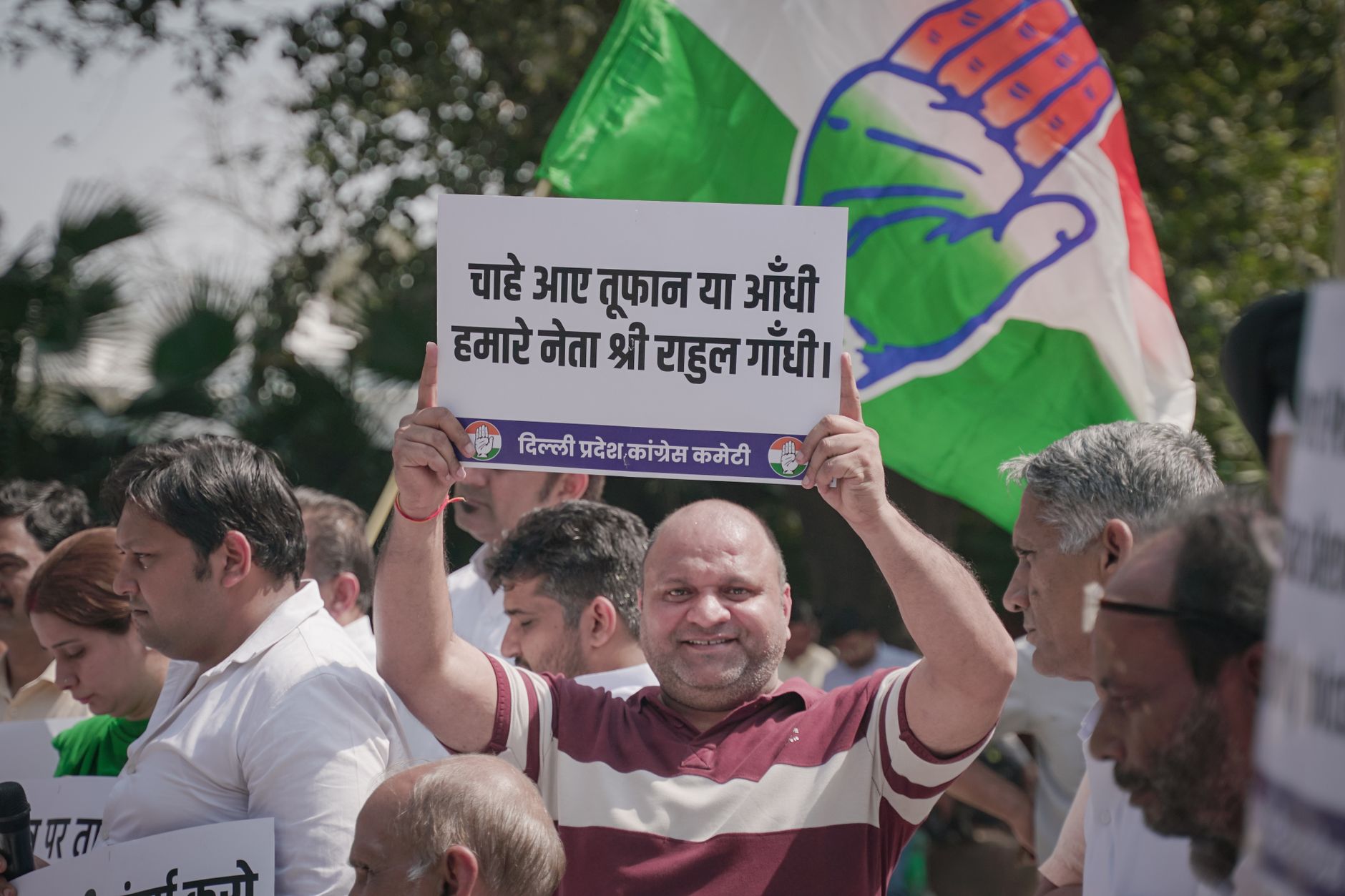
Rahul Gandhi criticism has surfaced as he takes a swipe at the government regarding Marco Rubio’s visit. This statement reflects his ongoing concerns about governmental transparency and accountability.
Background on Marco Rubio’s Visit
During a recent press conference, Rahul Gandhi expressed his criticism regarding the Indian government’s handling of foreign relations, particularly in light of Marco Rubio’s visit. The Congress leader highlighted the implications of such visits on India’s diplomatic standing and questioned the government’s priorities.
Gandhi noted that the government’s actions seemed inconsistent and lacked clarity. He stated that:
- The visit raised questions about India’s stance on key international issues.
- There appears to be a disconnect between the government’s promises and its actions.
- Such visits should be leveraged for the benefit of the nation, not for political showmanship.
In his remarks, Gandhi emphasized that the criticism directed at the government’s approach is not just political but reflects a broader concern for India’s future on the global stage. The Rahul Gandhi criticism underscores the need for a more coherent and strategic foreign policy.
Rahul Gandhi’s Political Stance
In a recent statement, Rahul Gandhi expressed his discontent with the government’s handling of international relations, particularly in light of Marco Rubio’s visit. He characterized the government’s actions as inconsistent and confusing, highlighting a lack of clear direction in foreign policy. This criticism is part of a broader trend where Gandhi has not shied away from calling out the government on various issues.
During his address, he emphasized the need for a cohesive strategy that aligns with India’s interests, suggesting that the current administration’s approach is detrimental to the nation’s standing on the global stage. His remarks were not only a critique of the government but also reflected his vision for a more robust diplomatic engagement.
Gandhi’s political stance resonates with many who are concerned about the implications of the government’s decisions. As he continues to voice his opinions, the issue of Rahul Gandhi’s criticism remains a focal point in the ongoing political discourse.
Public Reaction to Criticism
The public reaction to Rahul Gandhi’s criticism of the government’s handling of the recent visit by U.S. Senator Marco Rubio has been mixed. Many supporters have praised Gandhi for his bold stance, while critics argue that his remarks are politically motivated.
- Supporters: A segment of the population views Gandhi’s comments as a necessary challenge to government policies, believing that such criticism is vital for a healthy democracy.
- Critics: On the other hand, some detractors claim that Gandhi’s criticism is confused and lacks substantial evidence, suggesting that it is merely an attempt to gain political traction.
- Social Media: The debate has spilled over onto social media platforms, where users have expressed their opinions passionately, with hashtags related to Gandhi’s criticism trending across various platforms.
As the political landscape continues to shift, the implications of Gandhi’s remarks remain a topic of intense discussion among citizens and analysts alike.
Implications for Indian Politics
The recent Rahul Gandhi criticism of the government’s handling of international relations highlights significant implications for Indian politics. His remarks regarding Marco Rubio’s visit signal a growing frustration among opposition leaders regarding the current administration’s approach to foreign diplomacy.
Gandhi’s statements suggest a need for greater accountability and transparency from the government. As political tensions rise, it becomes crucial for the opposition to effectively communicate their perspectives to the electorate. Observers note that this criticism may resonate with voters who feel disillusioned by the government’s actions on the global stage.
Furthermore, the fallout from this situation could reshape alliances within the political landscape. With increasing scrutiny on the government’s decisions, opposition parties may capitalize on these moments to unify their base and attract undecided voters.
In this context, Gandhi’s pointed remarks may serve as a catalyst for renewed debates on governance, foreign policy, and democratic engagement.
The recent Rahul Gandhi criticism highlights the growing discontent among citizens regarding the government’s policies. Many believe that his remarks reflect a broader sentiment against the administration’s actions.
Photo by Sandeep Kashyap on Pexels


