Michael Brown
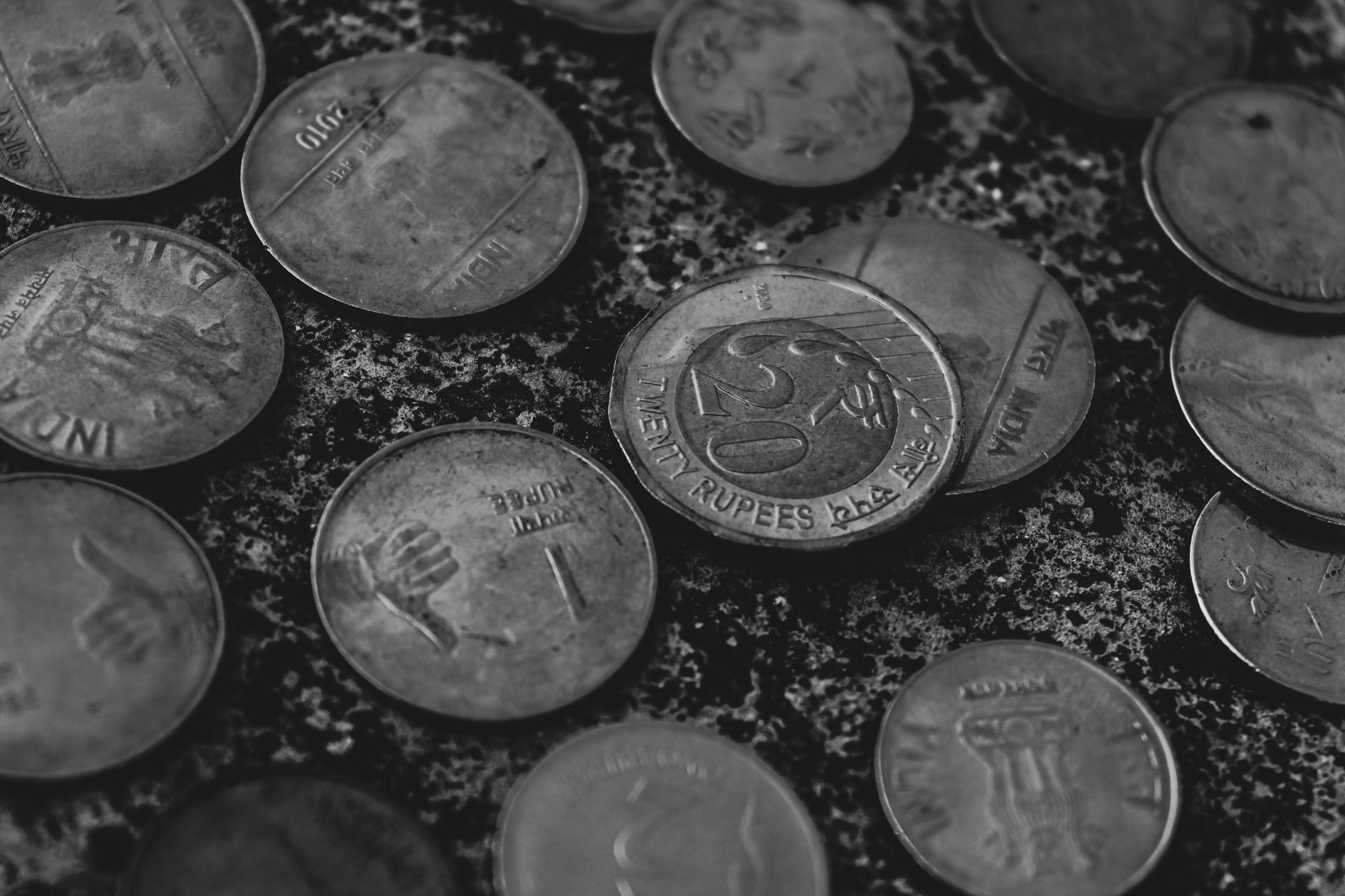
Indian currency rises today, with the rupee appreciating 10 paise to ₹96.65 against the US dollar. This change could have significant implications for the economy and investors alike.
Current Exchange Rate Overview
The Indian currency has recently made headlines as it rises 10 paise to ₹96.65 against the US dollar. This change indicates a positive trend for the rupee, which has been fluctuating in recent months. Investors and analysts are closely monitoring this development, as it may signal a shift in market dynamics.
Several factors contribute to the current exchange rate, including:
- Economic Indicators: Recent data on inflation and GDP growth can impact investor sentiment and currency strength.
- Monetary Policy: Decisions made by the Reserve Bank of India regarding interest rates can influence the rupee’s performance.
- Global Trends: Movements in global markets, especially concerning the US dollar, play a crucial role in the exchange rate.
As the Indian currency rises, market participants are debating whether now is the best time to invest. With a stronger rupee, imported goods may become cheaper, while export-focused businesses could face challenges. Investors are advised to consider these factors carefully when making decisions in the current economic climate.
Factors Influencing the Rupee
The recent rise in the Indian currency has sparked discussions among investors and economists alike. Several factors contribute to this upward trend in the rupee’s value.
- Global Economic Conditions: The performance of the global economy, particularly in major markets, can significantly impact the Indian rupee. A stable global outlook often boosts investor confidence, leading to increased foreign investment.
- Monetary Policy: Decisions made by the Reserve Bank of India (RBI) regarding interest rates can influence the currency’s strength. An increase in rates typically attracts foreign capital, thus supporting the rupee.
- Trade Balance: The trade balance plays a crucial role in currency valuation. A reduction in trade deficits can lead to a stronger rupee, as it indicates a healthier economy.
- Political Stability: Political events and stability in India can affect investor sentiment. A stable political environment tends to strengthen the rupee as it fosters confidence among foreign investors.
These factors combined suggest that the recent rise in the Indian currency could present a favorable opportunity for potential investors.
Impact on Investors
The recent rise of the Indian currency has sparked interest among investors. With the rupee appreciating by 10 paise to ₹96.65 against the US dollar, many are questioning the implications for their investment strategies.
As the currency strengthens, it can lead to several potential benefits for investors:
- Lower Import Costs: A stronger rupee makes imports cheaper, which can positively impact companies reliant on foreign goods and services.
- Increased Foreign Investment: An appreciating currency may attract more foreign investors, boosting market confidence and potentially leading to higher stock prices.
- Reduced Inflationary Pressures: With lower costs for imported goods, inflation may stabilize, creating a favorable environment for long-term investments.
However, investors should also be cautious. A rising currency can hurt exporters by reducing their competitiveness in global markets. Thus, while the Indian currency rises, careful consideration and a balanced approach are essential for making informed investment decisions.
In conclusion, the current situation presents a unique opportunity, but understanding the broader economic context remains crucial for investors.
Historical Currency Trends
The historical trends of the Indian currency provide valuable insights for potential investors considering the current rise. Over the past decade, the Indian rupee has exhibited fluctuating patterns influenced by both domestic and global factors.
In recent years, the rupee often faced pressure due to various economic challenges, including inflation and trade deficits. However, the currency has shown resilience, recovering from significant lows against the US dollar.
Key trends to note include:
- 2013 Crisis: The rupee hit an all-time low, prompting government interventions.
- 2016-2018 Stability: A period of relative stability as economic reforms took effect.
- 2020 Pandemic Impact: Initial depreciation followed by gradual recovery as the economy reopened.
- 2023 Surge: Recent gains have seen the Indian currency rise, currently trading at ₹96.65 against the US dollar.
This historical perspective highlights that the Indian currency rises can often precede favorable investment opportunities. Investors should consider these trends when making decisions in the current market landscape.
Predictions for Future Rates
Experts are closely monitoring the recent performance of the Indian currency, which has risen against the US dollar. Predictions for future rates suggest a complex landscape influenced by various domestic and international factors.
Analysts believe that the strengthening of the rupee may continue if economic indicators reflect positive growth. Key aspects influencing these predictions include:
- Interest Rates: Any changes in monetary policy by the Reserve Bank of India can significantly impact the rupee’s value.
- Inflation Rates: A decrease in inflation may bolster investor confidence, thereby supporting the currency.
- Global Economic Conditions: Fluctuations in major economies, especially the US, will play a crucial role in determining the rupee’s strength.
- Trade Balance: A favorable trade balance can lead to an appreciation of the Indian currency in global markets.
Considering these factors, many investors are questioning whether this is the best time to invest. As the Indian currency rises, potential opportunities may emerge for those looking to capitalize on the ongoing shifts in the market.
Expert Opinions on Currency Movements
Experts have weighed in on the recent rise of the Indian currency, which has seen a notable increase of 10 paise to ₹96.65 against the US dollar. This movement has sparked discussions about its implications for investors.
According to Dr. Anjali Mehta, an economist at the National Institute of Finance, the strengthening of the rupee can be attributed to improved trade balances and foreign investments. She notes, “With the Indian currency rising, it indicates a healthy economic outlook, making now a potentially advantageous time for investments.”
On the other hand, Mr. Rajesh Kumar, a currency analyst, cautions about market volatility. He states, “While the current trend is positive, investors should remain vigilant. Currency fluctuations can be unpredictable, and thorough analysis is essential before making financial decisions.”
Overall, the consensus among experts is that while the rise of the Indian currency presents opportunities, investors should approach the market with caution and consider both short-term gains and long-term stability.
As the Indian currency rises, many investors are contemplating the potential for higher returns in the market. With the Indian currency rising steadily, individuals might find this an opportune moment to reassess their investment strategies.
Photo by Ravi Roshan on Pexels