
 Michael Brown
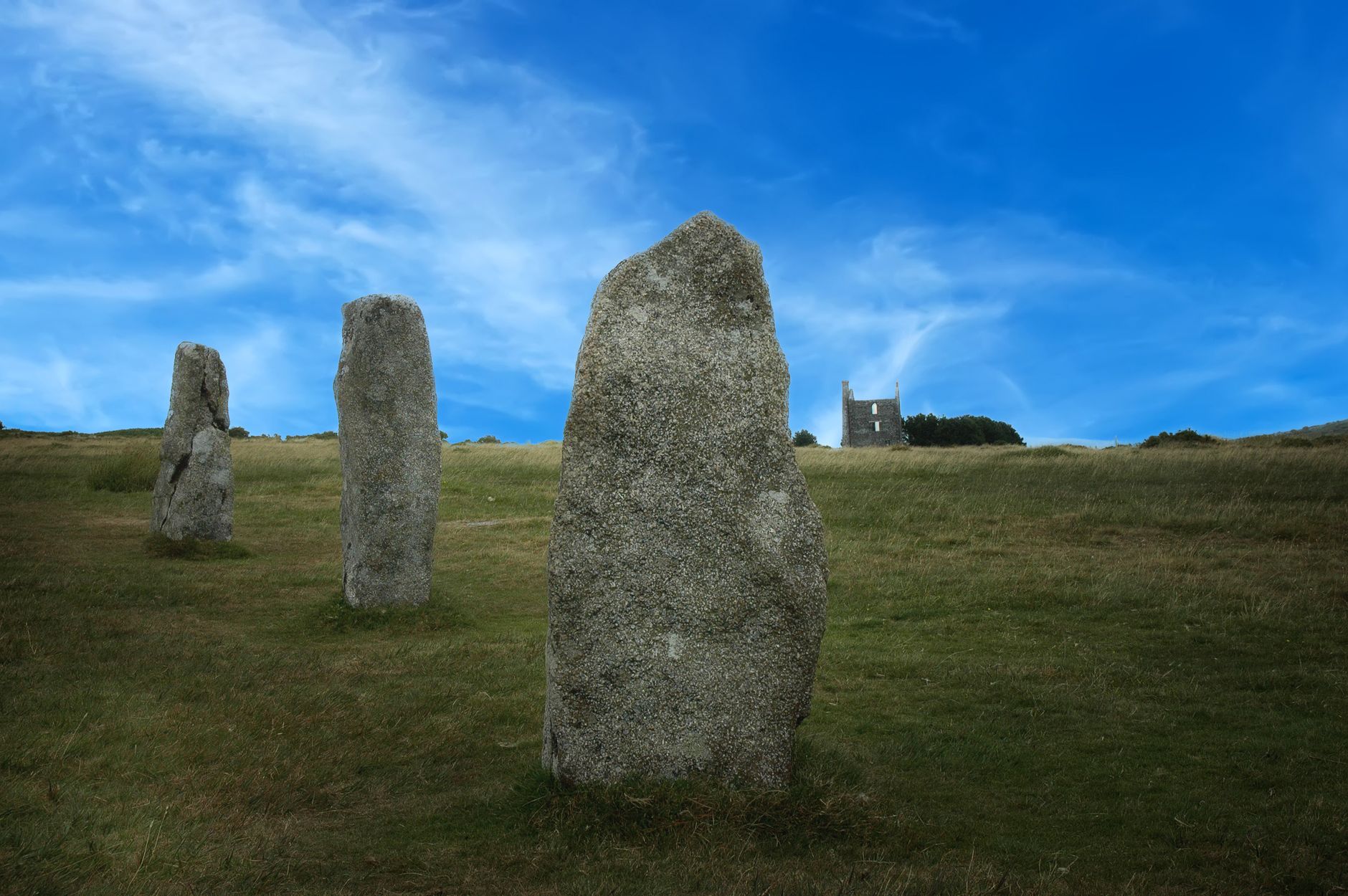
The mystery stones England have puzzled historians for centuries. Recent studies suggest these 4,000-year-old, 28-ton stones were not carried by ice, challenging previous theories about their transportation.
The Origins of the Mystery Stones
The origins of the mystery stones in England have puzzled researchers for decades. These ancient stones, weighing up to 28 tons, are believed to date back around 4,000 years. Recent studies have challenged long-held beliefs about how these massive structures were transported to their current locations.
Previously, it was widely accepted that glacial activity played a significant role in moving these stones. However, new evidence suggests that this theory may not be entirely accurate. Scientists have explored various methods of transportation that could explain how these hefty stones were maneuvered by ancient peoples.
Several theories have emerged regarding the construction and placement of these stones:
- Human transportation: Some researchers propose that ancient communities used simple tools and ingenuity to move the stones over land.
- Water transport: Another theory posits that the stones may have been floated on rafts along rivers and lakes.
- Local sourcing: There is also speculation that the stones could have been quarried from nearby locations instead of being transported from distant sites.
As investigations continue, the mystery stones in England remain an intriguing subject for archaeologists and historians alike, prompting questions about the capabilities and knowledge of ancient civilizations.
New Research Findings
Recent research has shed new light on the mystery stones in England, challenging long-held beliefs about their origins. A team of archaeologists has conducted extensive studies, revealing that these 4,000-year-old, 28-ton stones were not transported by glacial movements, as previously thought. Instead, evidence suggests that ancient humans played a significant role in their journey to their current location.
Using ground-penetrating radar and advanced dating techniques, researchers have gathered data indicating that early settlers could have transported the stones over land, possibly utilizing a sophisticated system of sledges and manpower. This finding not only alters the narrative surrounding the stones but also highlights the ingenuity of prehistoric communities.
Experts have raised several key points regarding this new perspective:
- Human Agency: The research emphasizes the possibility of organized efforts by ancient populations to move these massive stones.
- Technological Innovation: The methods employed may reveal a level of technological advancement previously underestimated in Neolithic societies.
- Cultural Significance: Understanding the transportation of these stones could provide insight into the social and ritualistic practices of the time.
As further studies continue, the mystery stones in England promise to unveil even more about the lives and capabilities of the people who lived during this fascinating period.
Historical Significance of the Stones
The historical significance of the mystery stones in England is deeply intertwined with the rich tapestry of human civilization. These ancient rocks, estimated to be around 4,000 years old, have long captivated the imagination of historians and archaeologists alike.
Recent studies have indicated that these stones were not transported by glacial movements as previously believed. Instead, they were likely moved by early humans using ingenious techniques that showcased their engineering skills and determination. This revelation alters our understanding of the capabilities of prehistoric societies in England and their relationship with the landscape.
As researchers delve deeper into their origins, several theories have emerged regarding the purpose of these mystery stones. Some scholars suggest they were used for religious or ceremonial practices, while others propose they served as territorial markers for ancient communities. The stones could also have played a role in astronomical observations, aligning with celestial events.
The cultural impact of these stones is significant, as they represent a link to the past and a testament to the ingenuity of early civilizations. Enthusiasts and visitors continue to flock to these sites, eager to uncover the secrets of the mystery stones in England. Understanding their historical context not only enriches our knowledge of ancient practices but also connects us to the enduring legacy of those who came before us.
How Were They Transported?
The transportation of the mystery stones in England has long been a subject of intrigue and debate among researchers and historians. Recent studies have shed light on how these massive stones, some weighing up to 28 tons, were actually moved to their current locations.
Traditionally, it was believed that the stones were carried by glacial activity. However, findings from new research have challenged this perspective, presenting alternative theories that suggest more human involvement in their transportation.
- Log Rollers: One of the most popular theories involves the use of logs. Ancient builders may have placed the stones on cylindrical logs, rolling them over the ground. This method would have required significant manpower and coordination.
- Water Transport: Another theory posits that the stones were transported via waterways. By floating them on rafts or barges, the builders could have moved them over long distances more efficiently.
- sledges: Some researchers suggest that sledges were used to drag the stones across the land, possibly lubricated with water or mud to reduce friction.
Understanding how these mystery stones in England were transported not only provides insight into the ingenuity of ancient civilizations but also raises further questions about the tools and techniques they utilized.
Comparative Studies with Other Sites
Comparative studies with other sites have shed light on the mystery stones in England, drawing intriguing parallels and distinctions that deepen our understanding of their origins and significance. Across various archaeological sites, researchers have observed similar stone formations that provide context for the enigmatic structures found in England.
- Stonehenge: Perhaps the most famous stone circle, Stonehenge offers insights into the construction techniques and cultural practices of ancient peoples. Its stones, like the mystery stones in England, were carefully transported, prompting speculation about the methods used.
- Callanish Stones: Located in the Outer Hebrides, these stones also exhibit a striking alignment with astronomical events. This alignment suggests that the mystery stones may have served similar ceremonial functions, linking them to the broader cultural practices of the time.
- Skara Brae: The Neolithic village of Skara Brae in Scotland provides evidence of advanced engineering and community organization. The techniques employed there may parallel those used in the construction of the mystery stones.
Through these comparative studies, researchers aim to piece together the stories behind the mystery stones in England, revealing how they fit into a larger tapestry of ancient human ingenuity and cultural expression.
Public Reactions to the Findings
As news of the recent findings regarding the mystery stones in England spreads, public reactions have varied widely, reflecting a mix of intrigue, skepticism, and fascination. Many locals express pride in their heritage, viewing these ancient stones as a vital link to the past. One resident stated, “These stones have always been a part of our landscape, and it’s exciting to learn more about their history.”
However, some skeptics question the conclusions drawn from the latest research. A local historian remarked, “While it’s fascinating, we must remain cautious. The origins of these mystery stones are still not fully understood.”
Social media platforms have become a hotbed for discussions, with hashtags like #MysteryStonesEngland trending. Users share theories ranging from alien construction to ancient rituals, showcasing the stones’ ability to spark imagination and debate. The fascination is not limited to the local community; tourists from across the country are now flocking to the site, eager to witness the stones and form their own opinions.
In addition, educational programs are being developed to help the public understand the significance of these findings, emphasizing the importance of ongoing research. As interest continues to grow, it is clear that the mystery stones in England will remain a topic of conversation and exploration for years to come.
Future Research Directions
As the intrigue surrounding the mystery stones in England continues to grow, future research directions are crucial for uncovering more about their origins and purpose. Scholars are now focusing on several key areas to advance our understanding of these ancient artifacts.
- Geochemical Analysis: Ongoing studies will utilize advanced geochemical techniques to analyze the stones’ composition, potentially revealing their geographical origins and the methods used for their transportation.
- Archaeological Excavations: New excavations at the surrounding sites may uncover additional artifacts, shedding light on the cultural and societal context in which the mystery stones were used.
- Interdisciplinary Collaboration: Researchers are encouraged to collaborate across disciplines, combining insights from geology, archaeology, and even modern engineering to develop better models for how these stones might have been moved.
- Public Engagement: Engaging the public through community events and educational programs can generate interest and support for ongoing research, inviting amateur historians and enthusiasts to contribute to the discourse.
By exploring these avenues, researchers hope to answer lingering questions about the mystery stones in England, ultimately revealing their significance in the broader narrative of prehistoric human activity.
The allure of the mystery stones England has captivated both locals and tourists for centuries. As researchers delve deeper into their origins, the real proven story behind these enigmatic structures continues to unfold.
Photo by Hans Heemsbergen on Pexels
References
Related reading
Bharat Coking Coal Management Change: Clear Steps Ahead · U.S.-China relations: The Clear Impact of Trump’s Welcome · Bentley’s first electric car: A Smart Price Advantage


