
 Michael Brown
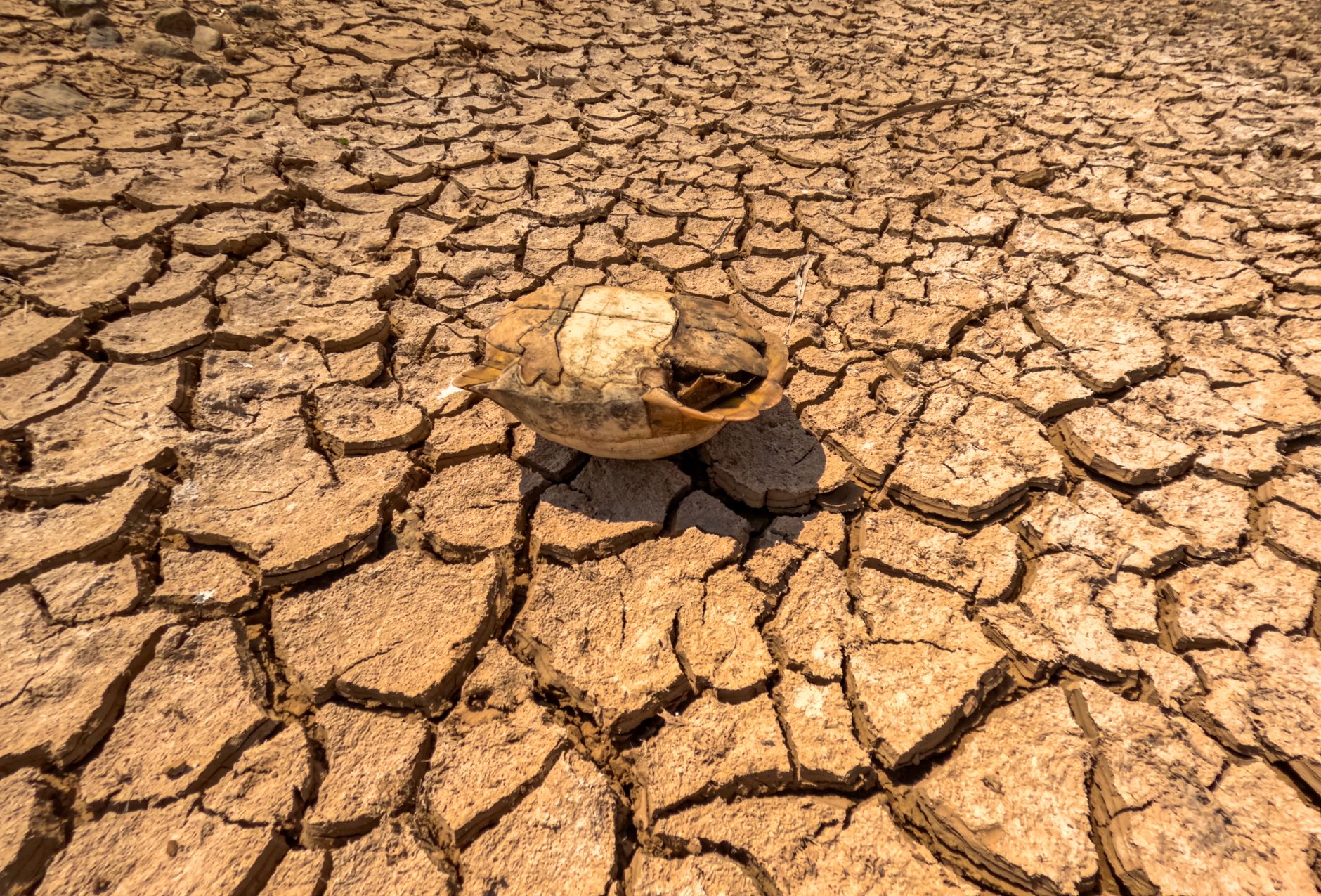
El Niño temperature record has shattered previous highs months before its expected peak, signaling potential climate challenges ahead.
Understanding El Niño
El Niño is a climate phenomenon characterized by the periodic warming of ocean surface temperatures in the central and eastern Pacific. This warming can significantly influence weather patterns globally, often leading to extreme weather events. Scientists have observed that El Niño events can disrupt typical climate behavior, resulting in a variety of impacts from droughts to heavy rainfall.
Recent reports indicate that the current El Niño has already set temperature records, with predictions suggesting that it will continue to intensify in the coming months. This year’s phenomenon is particularly concerning as it is expected to exacerbate the effects of climate change, marking a critical point in our understanding of global warming.
Among the potential consequences of a strong El Niño are:
- Increased temperatures: The El Niño temperature record could lead to unprecedented heat levels.
- Altered precipitation patterns: Some regions may face severe droughts, while others could experience excessive rainfall.
- Impact on agriculture: Changes in weather patterns may disrupt crop yields, affecting food security.
As scientists continue to monitor this event, the implications for the future of our climate remain profound.
Impact of El Niño on Global Temperatures
The recent surge in global temperatures has been significantly influenced by the current El Niño phenomenon. As scientists closely monitor this climatic event, they note that it has already broken temperature records, raising concerns about its potential long-term effects on climate change.
El Niño, characterized by the warming of ocean surface temperatures in the central and eastern Pacific, typically leads to a cascade of climatic shifts across the globe. These changes can manifest in various ways, including:
- Increased Heatwaves: Regions around the world are experiencing unprecedented heat events, contributing to health risks and agricultural challenges.
- Altered Weather Patterns: Rainfall distribution becomes erratic, leading to droughts in some areas while causing heavy rainfall and flooding in others.
- Impact on Marine Life: Warmer sea temperatures disrupt marine ecosystems, affecting fish populations and the livelihoods of communities dependent on fishing.
With the ongoing El Niño temperature record breaking through earlier predictions, experts warn that the implications for climate change could be severe, necessitating urgent action to mitigate its effects.
Historical Temperature Records
Historical temperature records indicate that the current El Niño event is unprecedented, with data showing a significant rise in global temperatures. Experts have noted that this El Niño temperature record is not just a seasonal anomaly but a clear indicator of ongoing climate change.
In the past, El Niño events have led to temporary spikes in temperature, but the current patterns suggest a more alarming trend. Some key observations include:
- Increased Frequency: El Niño occurrences have become more frequent and intense over the last few decades.
- Record-Breaking Heat: The latest data shows that global average temperatures have exceeded previous records during similar periods.
- Long-Term Implications: Prolonged temperature increases may lead to deeper and more lasting changes in climate patterns worldwide.
The implications of this El Niño temperature record extend beyond immediate weather changes, affecting ecosystems, agriculture, and water resources globally. As scientists continue to monitor the situation, the urgency to address climate change grows ever more critical.
Predictions for the Upcoming Peak
As scientists continue to monitor the rapidly evolving climate conditions, predictions for the upcoming peak of the El Niño temperature record are becoming increasingly alarming. Experts anticipate that this particular El Niño event could surpass previous records, leading to unprecedented impacts on global weather patterns.
According to climatologists, several factors contribute to the intensity of this El Niño, including:
- Ocean temperatures: The Pacific Ocean is displaying significantly warmer surface temperatures, which can exacerbate weather extremes.
- Atmospheric changes: A shift in atmospheric circulation patterns may further amplify the effects of this El Niño.
- Global warming: The ongoing effects of climate change are likely to intensify the impact of El Niño events, leading to more severe weather conditions.
As we approach the peak, researchers are urging governments and communities to prepare for potential consequences, including increased flooding, droughts, and heatwaves. The El Niño temperature record serves as a stark reminder of the interconnectedness of climate systems and the urgent need to address climate change on a global scale.
Climate Change and El Niño
The connection between climate change and the ongoing El Niño temperature record is becoming increasingly evident as scientists analyze recent data. El Niño events are characterized by the warming of ocean surface temperatures in the central and eastern Pacific, which disrupts weather patterns globally. As global temperatures continue to rise due to climate change, the intensity of these events appears to be exacerbated.
Researchers have observed that each successive El Niño has the potential to break previous temperature records, leading to severe weather phenomena such as droughts, floods, and heatwaves. This can have far-reaching consequences for ecosystems, agriculture, and human health.
In the context of climate change, the impacts of El Niño are further magnified, resulting in:
- Increased frequency of extreme weather events
- Disruption of food supplies
- Heightened risk of wildfires
As we approach the peak of this year’s El Niño, understanding its implications on climate change is crucial for developing effective adaptation strategies and mitigating its effects on vulnerable populations worldwide.
Public Awareness of Weather Events
As climate events become more extreme, public awareness of weather phenomena like El Niño is increasingly critical. The recent surge in temperatures attributed to the El Niño temperature record has sparked discussions among scientists, policymakers, and the general public alike. Understanding the implications of such records is essential for preparedness and resilience against climate change.
In recent surveys, a significant number of people reported heightened concern about the impact of weather events on their daily lives. This growing awareness is reflected in various forms of engagement:
- Increased media coverage: News outlets are dedicating more resources to explain the complexities of El Niño and its effects on global temperatures.
- Community initiatives: Local organizations are organizing workshops to educate citizens about climate adaptation strategies.
- Social media discussions: Platforms are buzzing with information and personal experiences related to unusual weather patterns.
As the world braces for the potential repercussions of the ongoing El Niño event, fostering a well-informed public is vital. Only through understanding can communities effectively respond to the challenges posed by climate change.
Government Responses to Climate Issues
In response to the alarming rise in temperatures linked to the current El Niño temperature record, governments around the world are taking decisive action to mitigate the effects of climate change. Many nations are implementing innovative policies aimed at reducing greenhouse gas emissions and enhancing climate resilience.
Key government responses include:
- Investment in Renewable Energy: Countries are prioritizing the transition to renewable energy sources such as solar, wind, and hydroelectric power.
- Climate Adaptation Strategies: Governments are developing strategies to adapt infrastructure, agriculture, and water resources to withstand the increased volatility caused by weather events associated with El Niño.
- International Cooperation: Many nations are collaborating through international agreements to address climate change collectively, recognizing that it transcends borders.
- Public Education Campaigns: Governments are launching initiatives to raise awareness about climate issues, emphasizing the importance of individual and community action.
As the effects of the current El Niño continue to unfold, it is critical for government actions to be effective and timely. The unprecedented nature of this event highlights the urgent need for comprehensive policies addressing both climate change and its immediate impacts.
Future of Climate Research
The phenomenon of El Niño has continually reshaped our understanding of climate dynamics, prompting researchers to investigate its implications on future climate patterns. As the recent El Niño temperature record illustrates, the interplay between this climatic event and global warming is becoming increasingly complex.
In the wake of unprecedented temperature spikes, scientists emphasize the urgent need for advanced climate research methodologies. Key areas of focus include:
- Enhanced Data Collection: Utilizing satellite technology to gather real-time data on ocean temperatures and atmospheric conditions.
- Modeling Predictions: Developing improved climate models that can accurately forecast the effects of El Niño on weather patterns.
- Public Health Studies: Investigating the health impacts linked to extreme weather events exacerbated by El Niño.
- Cross-disciplinary Collaboration: Encouraging partnerships between climatologists, oceanographers, and social scientists to address the multifaceted challenges posed by climate change.
As the effects of El Niño continue to unfold, the scientific community recognizes that understanding its role in the broader context of climate change is essential for effective response strategies.
The El Niño temperature record has raised concerns among scientists about the long-term consequences for global weather patterns. As we analyze the data, the El Niño temperature record reveals alarming trends that could exacerbate climate change effects worldwide.
Photo by irfan karaahmet on Pexels


