
 Michael Brown
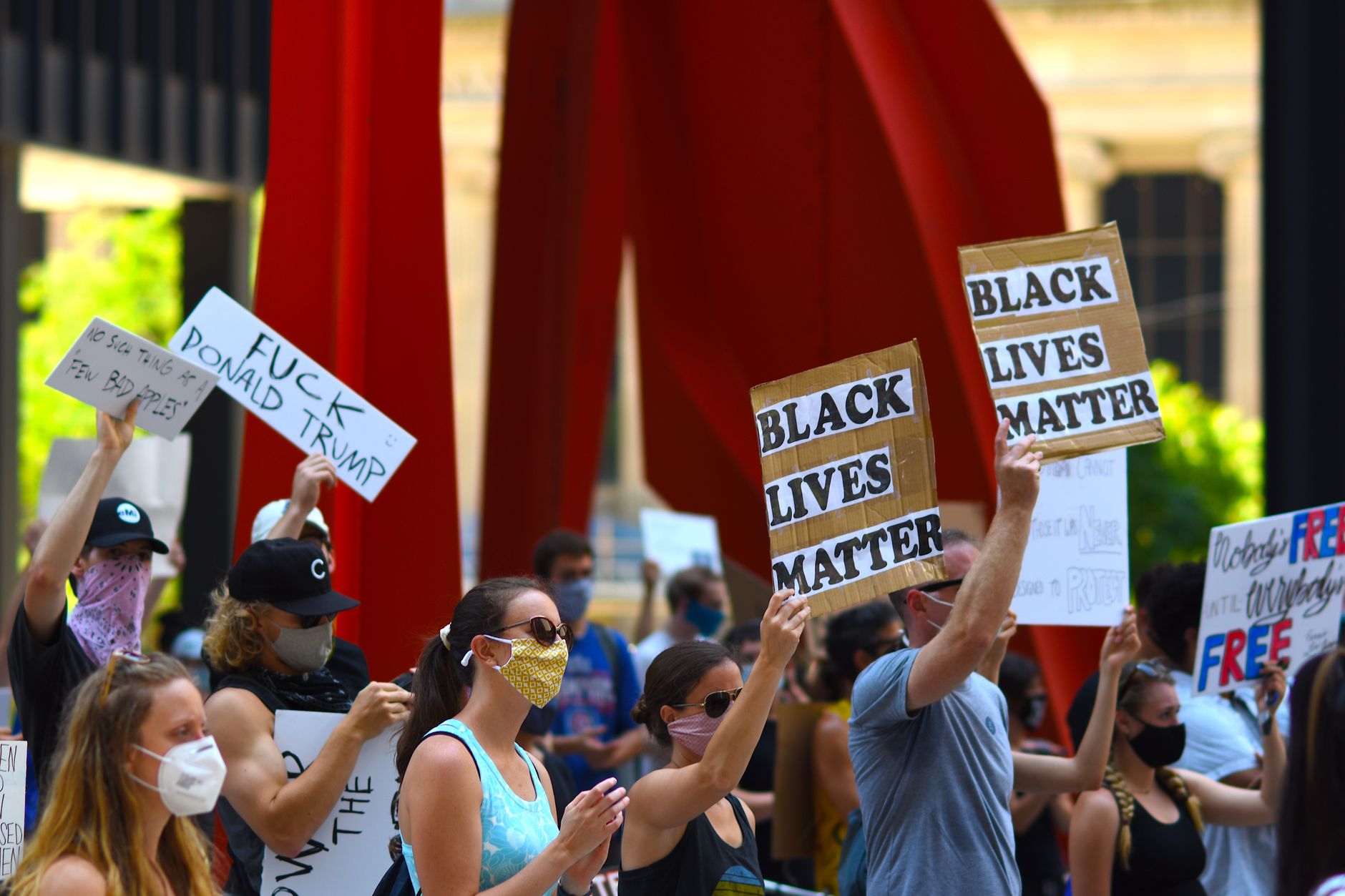
Collins slams Trump for his plan to politicize grants, arguing it undermines Congressional authority. This controversy raises questions about the implications for future funding and political integrity.
What Did Collins Say About Trump’s Plan?
In a recent statement, Senator Susan Collins openly criticized former President Donald Trump’s plan regarding federal grants, which she believes undermines Congressional authority. Collins slammed Trump for what she described as an attempt to “politicize” the distribution of funds, asserting that such actions could lead to a dangerous precedent in governance.
Collins emphasized the importance of maintaining a clear separation between political agendas and essential federal assistance programs. She stated, “The role of Congress should not be diminished by anyone seeking to leverage federal grants for political gain.” This sentiment reflects a broader concern among lawmakers about the potential implications of allowing political motivations to influence vital funding decisions.
Furthermore, Collins pointed out that by using grants as a tool for political maneuvering, Trump risks alienating constituents who depend on these resources for critical services. She urged for a more bipartisan approach to funding that prioritizes the needs of the American people over political strategies.
In conclusion, Collins’ remarks underscore her commitment to preserving the integrity of governmental processes, highlighting the potential fallout from Trump’s controversial proposals. This incident raises questions about the future of bipartisan cooperation in Congress.
The Impact of Politicizing Grants
In a recent statement, Senator Susan Collins sharply criticized former President Donald Trump, accusing him of attempting to politicize grants in a manner that undermines congressional intent. Collins emphasized the potential consequences of such actions, arguing that they could lead to a significant shift in how federal funds are allocated.
The senator expressed concern that Trump’s approach might favor certain states or projects based on political affiliation rather than genuine need or merit. This, she argued, could result in a disparity in funding, leaving some areas underserved while others receive disproportionate support.
Collins articulated her belief that grants should be distributed in a fair and nonpartisan manner. She highlighted that politicizing such funding mechanisms could erode public trust in government institutions. The potential fallout from this strategy could be profound, affecting not only state budgets but also local communities relying on these funds for essential services.
Furthermore, Collins warned that this move could set a dangerous precedent, leading to a cycle of political favoritism that may ultimately harm the very constituents Trump claims to support. By slamming Trump’s plan, Collins aims to rally support for a more equitable approach to funding that aligns with congressional guidelines.
Congressional Authority at Stake
The ongoing debate surrounding the recent comments from Senator Susan Collins has raised significant concerns about the balance of power within Congress. Collins slams Trump for his proposal, arguing that it undermines the authority of the legislative branch. With the increasing trend of politicizing federal funding, lawmakers worry about the precedent this sets for future administrations.
Collins asserts that the executive branch must respect the role of Congress in determining how grants and funding are distributed, stating:
- Checks and Balances: The foundation of our democracy relies on a system where each branch has defined powers.
- Political Neutrality: Grants should be awarded based on need and merit, not political affiliations.
- Potential Consequences: This approach may discourage bipartisan cooperation and lead to further division.
By politicizing grants, critics fear that essential funding could be withheld from communities based on political loyalty rather than actual requirements. Collins emphasizes the importance of maintaining the integrity of congressional authority, warning that undermining this principle could have lasting repercussions for the legislative process. As discussions evolve, the impact of Collins’ strong stance against Trump remains to be seen.
Reactions from Other Politicians
In the wake of Senator Susan Collins’ strong condemnation of former President Donald Trump’s plan, various politicians have voiced their opinions. Many are rallying around Collins, emphasizing the importance of maintaining the integrity of federal grants.
Several members of Congress expressed their agreement with Collins, highlighting that Trump’s approach could undermine the bipartisan support essential for grant allocations. Senator Lisa Murkowski stated, “We cannot allow political motivations to dictate funding decisions that affect millions of Americans.” In a similar vein, Representative Adam Schiff remarked, “Collins slams Trump for a reason; this is about ensuring that taxpayer dollars are used responsibly.”
On the other side of the aisle, some Republican leaders defended Trump’s strategy, arguing that it could lead to necessary reforms. They contend that Collins’ criticism might be politically motivated, suggesting that it reflects her discontent with the former president’s influence within the party.
As the political landscape continues to shift, the divide among lawmakers regarding Trump’s proposals remains apparent. The fallout from this debate may have lasting repercussions for both Collins and Trump as they navigate their respective futures in politics.
Public Opinion on Trump’s Approach
The public opinion regarding Trump’s approach to grant allocation remains deeply divided. Many Americans express concern over the implications of politicizing grants, which Collins argues undermines the integrity of the funding process. According to a recent poll, 65% of respondents believe that grant distribution should be free from political influence.
Critics of Trump’s plan, including Collins, assert that such actions could lead to increased distrust in governmental institutions. One survey highlighted that over 70% of voters fear that politicized grants may favor certain groups over others, potentially jeopardizing essential services and community programs.
Supporters of Trump, however, argue that his approach reflects a necessary reassessment of how government funds are allocated. They claim that it addresses long-standing disparities in funding and prioritizes communities that have been overlooked. Nevertheless, Collins’ remarks have resonated with many who view Trump’s strategy as a significant misstep. They believe that his tactics could alienate key voter groups ahead of the upcoming elections.
As the debate continues, the ramifications of this political maneuvering may become clearer. For now, Collins slams Trump for what she sees as a dangerous precedent that could redefine public trust in government.
Historical Context of Grant Politics
The political landscape in the United States has seen various instances where grant funding has become a contentious issue. Historically, the allocation of federal grants has been viewed as a bipartisan effort aimed at supporting communities and addressing critical needs. However, recent actions have led to accusations of politicization, with significant implications for governance.
One prominent example occurred during the Obama administration when various grants aimed at infrastructure and education faced scrutiny from Republican lawmakers. They argued that certain allocations favored Democratic-leaning areas. In this context, Collins slams Trump for seemingly reviving this divisive approach to grant distribution. The politicization of grants not only undermines the integrity of the funding process but also risks alienating constituents who depend on these resources.
Moreover, historical precedents show that when grant allocation becomes a tool for political leverage, it often results in a breakdown of trust between Congress and the executive branch. This erosion of trust can have long-term effects on how policies are shaped and implemented, particularly in a polarized environment where bipartisan cooperation is essential for effective governance.
As Collins’ criticism resonates through the political sphere, the question remains: will this be viewed as a pivotal moment in the ongoing debate over the politicization of federal grants?
Looking Ahead: Future Political Ramifications
As the political landscape shifts in the wake of Collins’ strong statements, the future ramifications of her remarks on Trump’s approach to grant politicization could be significant. Analysts are closely watching how this conflict unfolds and its potential impact on both the Republican Party and broader electoral dynamics.
Collins slams Trump not just for the immediate implications of his actions but also for the long-term effects they may have on bipartisan cooperation. If Trump’s approach continues to alienate moderate Republicans, it could weaken the party’s unity ahead of the next election cycle.
The fallout from Collins’ critique may influence key voter demographics, particularly independents who prioritize governance over party loyalty. Many are concerned that politicizing grants could diminish trust in government efficacy, especially if citizens perceive funding decisions as being driven by political agendas rather than community needs.
Moreover, if Collins maintains her stance and rallies support among her colleagues, it could pave the way for a stronger coalition against Trump’s strategies. Political observers suggest that this situation will require careful navigation, as it opens up a debate about the balance of power and the role of Congress in overseeing federal funding.
In a bold statement during a recent interview, Collins slams Trump for his controversial remarks that have divided the party. Many political analysts are now questioning whether Collins slams Trump will have lasting repercussions on his own career.
Photo by Charles Criscuolo on Pexels


