
 Michael Brown
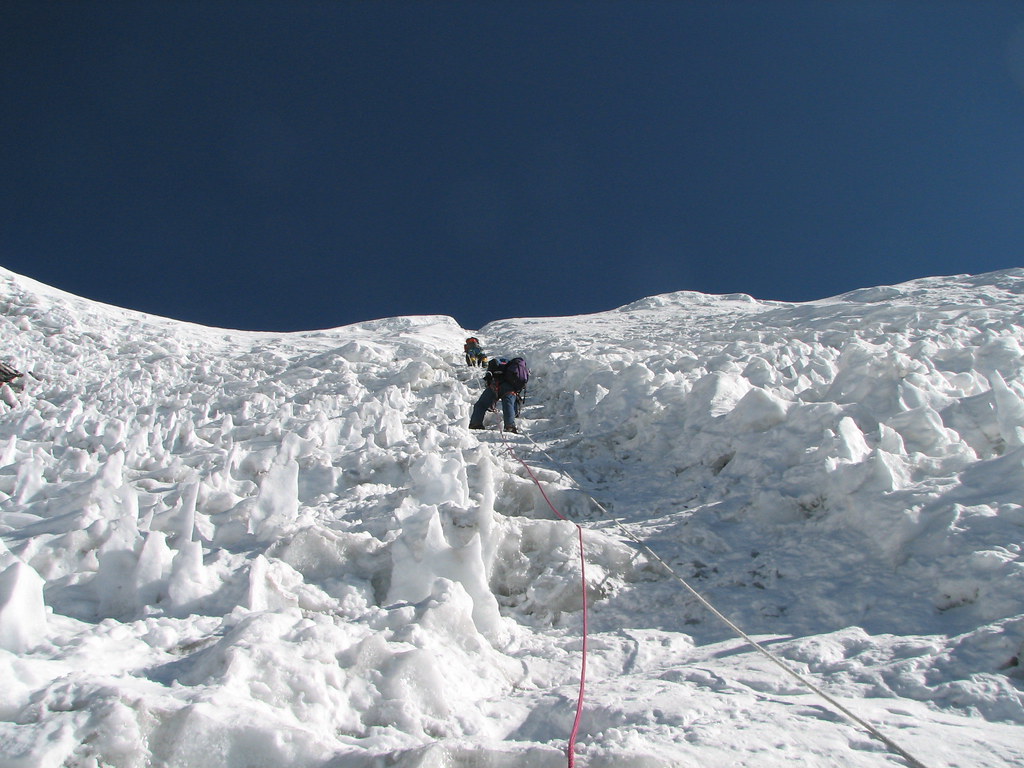
Steep-fronted glaciers are capturing attention as researchers study their morphology and dynamics around Alba Mons on Mars. This exploration could unveil significant insights into Martian climate history.
Introduction to Steep-fronted Glaciers
Steep-fronted glaciers are fascinating geological features that have garnered significant attention in the study of planetary science, particularly on Mars. These glaciers exhibit a unique morphology characterized by their steep, vertical faces, which contrast sharply with the gentler slopes of typical glaciers. The examination of these formations, especially around Alba Mons, provides valuable insights into the dynamics of glacial movement and the climatic history of the Martian surface.
Recent research has focused on the morphology and dynamics of steep-fronted glaciers in this region, revealing important information about their formation and evolution. Key findings include:
- Glacial movement: The steep fronts suggest rapid flows, which may be influenced by underlying geological features.
- Environmental conditions: Understanding the conditions that lead to the formation of steep-fronted glaciers can help scientists reconstruct past climate scenarios on Mars.
- Comparison with Earth: Similarities and differences between Martian glaciers and those on Earth offer a broader perspective on glacial processes across different planetary bodies.
The study of steep-fronted glaciers is crucial for advancing our knowledge of planetary evolution and may provide clues about the potential for past life on Mars. As researchers continue to investigate these striking formations, they hope to uncover more about the history and dynamics of the Red Planet.
The Importance of Alba Mons
Alba Mons, a prominent feature on Mars, has garnered significant attention due to its unique geological characteristics and the presence of steep-fronted glaciers. The importance of studying this region lies in understanding the planet’s past climate and geological processes.
Research indicates that steep-fronted glaciers play a critical role in the morphology of Alba Mons. These glaciers can provide insights into the movement of ice and how it interacts with Martian topography. The study of these glaciers helps scientists to decipher the historical implications of glacial activity and its influence on the surrounding environment.
In addition to their geological significance, steep-fronted glaciers are essential for understanding the dynamics of Alba Mons. Scientists have identified several key factors that contribute to the formation and evolution of these glaciers, including:
- Temperature fluctuations that affect ice stability
- Variations in atmospheric pressure that influence glacial formation
- Interactions with volcanic activity that may alter glacier dynamics
By focusing on these glaciers, researchers can build a clearer picture of the climatic conditions that existed in the past. This knowledge is crucial for predicting future changes on Mars and understanding how similar processes might occur on Earth and other celestial bodies.
Recent Discoveries in Martian Glaciology
Recent studies have shed light on the intriguing dynamics of steep-fronted glaciers on Mars, particularly those surrounding the imposing Alba Mons. Researchers have employed advanced imaging techniques to analyze the morphology of these glaciers, revealing a complex interplay between geological processes and climatic conditions.
One of the key findings indicates that the steep-fronted glaciers exhibit unique formations that are not commonly seen on Earth. The rugged terrain of Alba Mons has been instrumental in shaping these glaciers, leading to their distinctive features. Important characteristics identified include:
- Flow patterns: The glaciers demonstrate varied flow dynamics influenced by the underlying topography.
- Surface features: Crevasses and fractures provide insight into the stress and movement of the ice over time.
- Debris cover: The presence of rocky debris on the glacier surfaces offers clues about past climatic events.
Additionally, scientists have noted that the interaction between glacial activity and volcanic processes at Alba Mons is a significant area of research. This connection highlights the potential for steep-fronted glaciers to serve as indicators of environmental change on Mars. As researchers continue to study these formations, the information gathered will enhance our understanding of Martian glaciology and its implications for planetary evolution.
How Glaciers Shape Mars’ Surface
Steep-fronted glaciers play a crucial role in shaping the surface of Mars, particularly around the imposing structure of Alba Mons. These glaciers, characterized by their sharp, vertical fronts, exhibit unique dynamics that influence the surrounding landscape through various geological processes.
One of the primary ways these glaciers impact the Martian terrain is through erosion. As the glaciers advance, they scrape away layers of rock and soil, creating distinct features such as valleys and depressions. This process not only modifies the existing topography but also uncovers ancient geological formations that offer insights into Mars’ climatic history.
Additionally, the presence of steep-fronted glaciers contributes to the formation of debris flows and other sedimentary features. As the glaciers melt and retreat, they release sediment that can cascade down slopes, further reshaping the Martian landscape. This interplay between glacial movement and sediment deposition is vital for understanding the long-term evolution of Martian geology.
Furthermore, studying these glaciers provides scientists with valuable data regarding past environmental conditions on Mars. The morphology and dynamics of steep-fronted glaciers serve as indicators of climatic changes, helping researchers piece together Mars’ complex history. By examining these features, we gain a clearer understanding of not only Alba Mons but also the broader implications for Martian geology and climate.
Implications for Future Mars Missions
The study of steep-fronted glaciers on Mars, particularly around Alba Mons, has significant implications for future missions to the Red Planet. Understanding the dynamics and morphology of these glaciers can enhance our knowledge of Martian climate history and surface processes.
Future missions can focus on several key areas:
- Targeted Exploration: Missions could prioritize regions with steep-fronted glaciers for in-depth analysis, providing valuable insights into the planet’s glacial history.
- Sample Return Missions: Collecting samples from these glaciers may reveal clues about past water activity and climate changes on Mars, essential for understanding its habitability.
- Technological Development: Missions must develop specialized equipment to study the unique conditions of steep-fronted glaciers, enabling more precise measurements and observations.
- Collaboration with Earth-Based Research: Findings from Mars can complement terrestrial glaciology, allowing scientists to draw parallels between Earth and Martian glaciers.
Additionally, the study of these glaciers may guide the search for past microbial life, as the presence of ancient water systems is often linked to glacial activity. The implications for astrobiology are profound, as understanding the formation and evolution of steep-fronted glaciers could reveal whether Mars once harbored conditions suitable for life.
Comparing Earth and Mars Glaciers
Steep-fronted glaciers are not exclusive to Earth; similar formations can be found on Mars, particularly around Alba Mons. While both planets exhibit glacial features, significant differences arise due to varying environmental conditions.
On Earth, steep-fronted glaciers often form in regions with ample precipitation and temperature fluctuations, allowing for the accumulation and melting of ice. The presence of a robust atmosphere facilitates these processes, leading to dynamic glacial movements. Key characteristics of Earth’s steep-fronted glaciers include:
- Thickness: Earth glaciers can be several kilometers thick, resulting in substantial pressure that contributes to their flow.
- Surface Features: Crevasses and moraines are common, reflecting the glaciers’ movement and interactions with the surrounding environment.
- Melting Patterns: Seasonal melting creates distinct patterns of flow that are observable through satellite imagery.
In contrast, Martian steep-fronted glaciers exhibit unique properties due to the planet’s thin atmosphere and colder temperatures. Martian glaciers are generally less dynamic, with:
- Lower Thickness: These glaciers are typically thinner, making them more susceptible to sublimation rather than melting.
- Simpler Morphology: The absence of liquid water contributes to fewer surface features.
- Stability: Martian glaciers appear to be more static, showcasing the planet’s long-term climatic conditions.
Understanding these differences enhances our knowledge of steep-fronted glaciers across planetary bodies and their implications for planetary evolution.
Conclusion: The Future of Martian Research
As researchers continue to unravel the complexities of Martian topography, the study of steep-fronted glaciers emerges as a pivotal area of interest. The findings surrounding these glaciers not only deepen our understanding of Alba Mons but also provide crucial insights into the planet’s climatic history. The morphology and dynamics of these glaciers indicate that they have played a significant role in sculpting the Martian landscape over millions of years.
Future research endeavors are likely to focus on several key areas:
- Advanced Imaging Techniques: Utilizing high-resolution satellite imagery and ground-based observations will enhance our ability to monitor changes in glacier morphology.
- Climate Modeling: Developing more sophisticated models to simulate past climates on Mars will help elucidate the conditions that led to the formation of steep-fronted glaciers.
- Field Missions: Proposed missions to Mars aim to collect in situ data, providing scientists with direct evidence of glacial activity and its implications for astrobiology.
- Comparative Studies: By comparing steep-fronted glaciers on Mars with those on Earth, researchers can gain insights into the processes that govern glacier formation and evolution across different planetary bodies.
In conclusion, the study of steep-fronted glaciers not only enriches our knowledge of Mars but also holds the promise of revealing critical information about the planet’s potential for past life and future exploration.
By mckaysavage via Openverse
References
You might also like
Bank of Montreal News: Worth Watching for Smart Investors · Trump Falling Asleep: The Worst Meeting with World Leaders · Top News November 2026: Quick Insights on Today’s Highlights


