Michael Brown
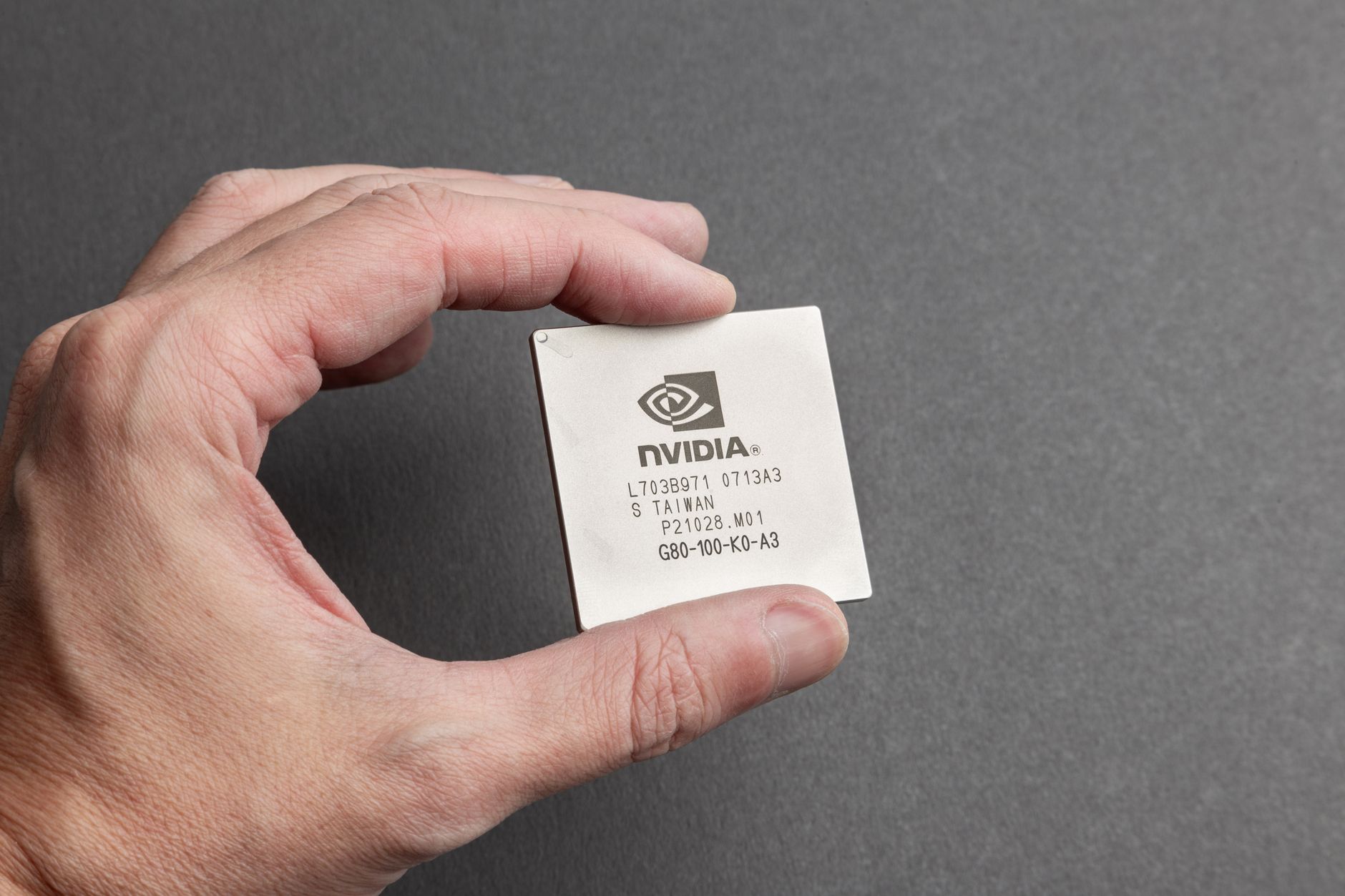
Nvidia chips to China have become a hot topic as CEO Jensen Huang defends the company’s decision to sell despite ongoing scrutiny. This controversy raises questions about ethics and business practices in the tech industry.
Overview of Nvidia’s Chip Sales
Nvidia has been at the forefront of the semiconductor industry, with its chips being essential for various applications, including artificial intelligence and gaming. Recently, the company has faced scrutiny regarding its decision to sell Nvidia chips to China, especially in light of growing geopolitical tensions and national security concerns.
CEO Jensen Huang has publicly defended this strategy, arguing that the technology will advance global innovation and benefit the broader economy. His statements come just weeks before a probe into the potential implications of these sales, raising questions about the sustainability of Nvidia’s approach.
Critics suggest that the sale of Nvidia chips to China could inadvertently aid in military advancements, while supporters believe that collaboration is crucial for technological progress. The ongoing debate highlights the delicate balance between business interests and national security, making Nvidia’s decisions pivotal in shaping the future of the semiconductor market.
Jensen Huang’s Statement on China
Nvidia CEO Jensen Huang has publicly defended the company’s decision to sell Nvidia chips to China, emphasizing the importance of maintaining strong business relationships in the global market. In recent statements, he asserted that innovation and collaboration are essential for technological advancement, particularly in the rapidly evolving field of artificial intelligence.
Huang acknowledged the complexities of the geopolitical landscape but argued that restricting access to advanced technology could hinder progress. He stated:
- “We must focus on the benefits of technology for humanity rather than get caught up in political disputes.”
- “Our chips are designed to solve critical problems, and limiting their distribution could have unintended consequences.”
Despite ongoing scrutiny regarding national security concerns, Huang remains confident that Nvidia’s commitment to ethical business practices will guide their actions in China. As debates continue, the company’s strategy could have lasting implications for the tech industry.
Implications of the Spy Probe
The ongoing spy probe into Nvidia’s operations raises critical questions about the implications of selling Nvidia chips to China. As tensions between the U.S. and China escalate, concerns about national security have intensified. Analysts are concerned that the advanced technology embedded in these chips could potentially be misused for espionage or military applications.
Several key points emerge regarding the implications:
- Economic Impact: Limiting chip sales could affect Nvidia’s revenue and market position.
- Geopolitical Tensions: Continued sales may exacerbate existing strains between the two nations.
- Technological Advancements: Access to Nvidia chips could empower Chinese tech firms, enhancing their capabilities.
As the investigation unfolds, the future of Nvidia’s relationship with China remains uncertain, prompting a broader discussion about the balance between profit and security.
Reactions from Industry Experts
Reactions from industry experts regarding Nvidia’s decision to continue selling chips to China have been mixed. Some argue that this move strengthens Nvidia’s market position and caters to the growing demand for advanced technology in the region. According to Dr. Emily Chen, a semiconductor analyst, “Nvidia chips to China are essential for the country’s technological advancement, particularly in AI and machine learning.”
On the other hand, critics express concerns about the potential national security implications. Mark Thompson, a cybersecurity expert, stated, “The ongoing spy probe raises serious questions about the ethical responsibilities of tech companies. Selling Nvidia chips to China could inadvertently aid in the development of surveillance technologies.”
Furthermore, industry veteran Linda Park emphasized the importance of balancing profit with national interests. “Nvidia must consider whether their profits outweigh the risks associated with their technology falling into the wrong hands,” she remarked.
Historical Context of Nvidia’s Sales
The historical context of Nvidia’s sales to China reveals a complex relationship between technology and geopolitics. Over the years, Nvidia has established itself as a dominant player in the semiconductor industry, with significant revenue coming from the Chinese market. The rise of artificial intelligence and data centers has fueled demand for powerful chips, making China a lucrative destination for Nvidia’s products.
However, as tensions between the United States and China escalate, the implications of selling Nvidia chips to China have come under scrutiny. In past years, Nvidia’s leadership has defended its business decisions, emphasizing the importance of innovation and collaboration. Yet, recent events, including a probe into potential espionage, have raised questions about the ethics and security of such sales.
Ultimately, the historical context sheds light on the precarious balance between profit and national security, leaving industry experts divided on whether Nvidia’s strategy is a bold move or a misguided gamble.
Potential Consequences for Nvidia
The decision to continue selling Nvidia chips to China may lead to significant repercussions for the company. As geopolitical tensions rise, Nvidia faces scrutiny over its role in advancing China’s technological capabilities. Industry analysts warn that these sales could draw the ire of U.S. regulators, potentially resulting in stricter export controls. Such measures might not only affect Nvidia’s bottom line but also the broader semiconductor market.
Furthermore, maintaining a presence in the Chinese market could alienate other global partners concerned about compliance with international regulations. The company’s reputation may be at stake, as stakeholders weigh the risks against the financial rewards of operating in a lucrative but politically fraught environment.
Ultimately, Nvidia’s strategy to supply chips to China could reshape its future, prompting a reevaluation of its priorities and business model in an increasingly complex landscape.
Public Opinion on the Decision
Public opinion on the decision to continue selling Nvidia chips to China is deeply divided. Many consumers and tech enthusiasts express concern over the implications of such sales, fearing potential misuse of technology in surveillance and military applications. Critics argue that allowing access to advanced chips may enable hostile actions against global interests.
On the other hand, some supporters of the decision highlight the importance of maintaining economic ties with China, emphasizing that cutting off technology could harm innovation and progress in the tech industry. They believe that collaboration is essential for mutual growth and that Nvidia’s chips could foster advancements in various fields.
- “Innovation thrives on collaboration,” stated a tech analyst.
- “We cannot ignore the implications of these chips in the wrong hands,” countered a cybersecurity expert.
As the debate continues, public sentiment remains a critical factor in shaping Nvidia’s future strategies.
Future of Tech Sales to China
As the landscape of technology sales evolves, the future of Nvidia chips to China remains uncertain. Industry analysts anticipate a shift in market dynamics, heavily influenced by geopolitical tensions and regulatory scrutiny. The demand for advanced chips in China is significant, driven by the country’s ambitions in artificial intelligence and cloud computing.
However, with increasing calls for stricter export controls, Nvidia faces a challenging path ahead. The company’s reliance on the Chinese market may pose risks, especially if political relations deteriorate further. Some experts argue that diversifying supply chains and exploring new markets could mitigate potential losses.
Furthermore, maintaining a balance between innovation and compliance will be crucial for Nvidia’s long-term strategy. While the immediate benefits of selling chips to China are clear, the implications of such decisions could resonate throughout the industry for years to come.
The decision to export Nvidia chips to China has sparked intense debate among industry experts. Some argue that sending Nvidia chips to China could enhance technological advancements, while others fear it may compromise national security.
Photo by Stas Knop on Pexels
Read the original
Related reading
Birds Landing Energy: Proven Physics Model Revealed · Priyanka Chopra Diwali Album: The Best Family Time Moments · Earthquake in Japan: Shocking damage and injuries reported