
 Michael Brown
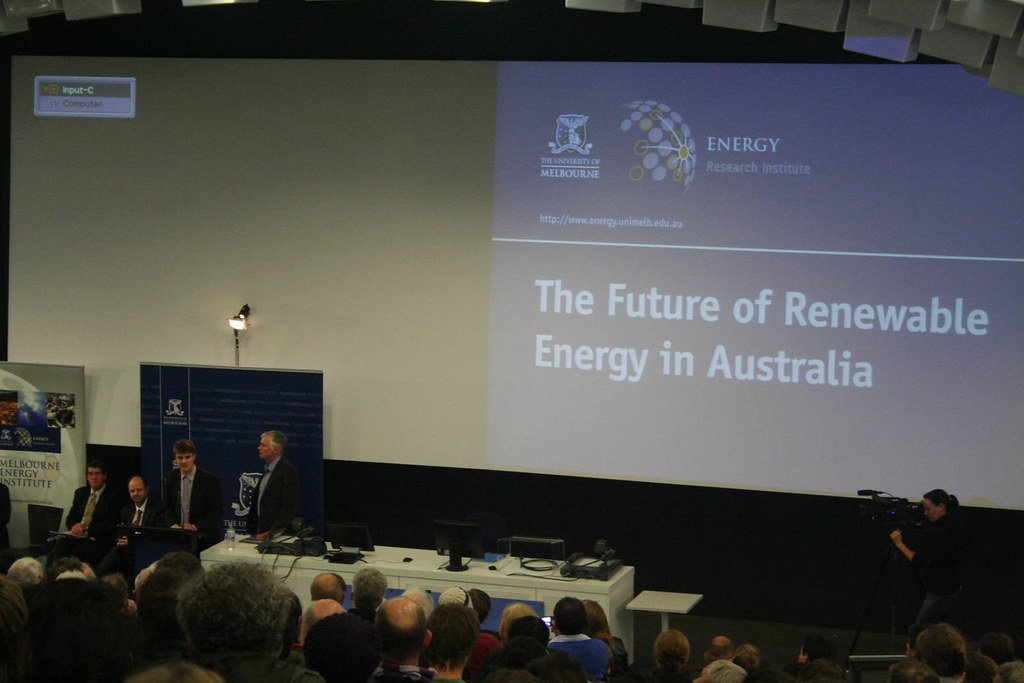
The energy storage plan is a significant step for India, launching a $1.5 billion initiative to enhance its renewable energy infrastructure.
Overview of India’s Energy Storage Plan
India has officially launched a groundbreaking $1.5 billion energy storage plan aimed at enhancing the country’s energy infrastructure and promoting renewable energy sources. This initiative is pivotal in addressing the challenges associated with intermittent energy supply, particularly from solar and wind sources.
The energy storage plan is designed to:
- Increase grid reliability by balancing supply and demand, ensuring a consistent energy flow.
- Reduce dependence on fossil fuels, contributing to India’s ambitious climate goals and commitments under international agreements.
- Encourage investment in advanced battery technologies and innovative storage solutions that can cater to the growing energy needs of the nation.
- Support rural electrification projects by providing a reliable source of energy in remote areas, stimulating local economies.
As India aims to achieve its target of 500 GW of renewable energy capacity by 2030, the energy storage plan is set to play a crucial role. It is seen not only as an essential step towards a sustainable future but also as a potentially lucrative investment for both domestic and international stakeholders interested in the green energy sector.
Impact on Renewable Energy
The launch of India’s $1.5 billion energy storage plan is poised to have a significant impact on the country’s renewable energy landscape. As India aims to increase its renewable energy capacity, effective energy storage solutions will play a crucial role in stabilizing the grid and ensuring a reliable supply of electricity.
One of the primary benefits of the energy storage plan is its potential to enhance the integration of renewable sources such as solar and wind power. By storing excess energy generated during peak production times, these systems can release power during periods of high demand or low generation. This capability is essential for maintaining grid stability and reducing reliance on fossil fuels.
Moreover, the energy storage plan is expected to:
- Reduce Energy Costs: By optimizing the use of stored energy, consumers may experience lower electricity bills.
- Support Rural Electrification: Energy storage can empower remote areas, enabling access to reliable power without extensive infrastructure.
- Stimulate Job Creation: The growth of the energy storage sector may lead to new employment opportunities in manufacturing, installation, and maintenance.
In conclusion, the energy storage plan represents a transformative step for India, making it a crucial investment for a sustainable energy future.
Financial Implications of the Investment
The financial implications of India’s energy storage plan are significant and multifaceted. With a substantial investment of $1.5 billion, the government aims to bolster both energy security and economic growth. This initiative is expected to yield several benefits that could enhance India’s financial landscape.
Cost Savings: By optimizing energy consumption and reducing reliance on fossil fuels, the energy storage plan could lead to lower electricity costs for consumers. This shift not only helps in managing peak demand but also stabilizes energy prices, which can have a positive ripple effect on various sectors.
Job Creation: The rollout of energy storage technologies is likely to create numerous job opportunities in manufacturing, installation, and maintenance. The growth of this sector may stimulate local economies and contribute to the overall employment rate.
Attracting Investments: The energy storage plan is poised to attract both domestic and international investments. With a focus on innovation and technology, India is becoming an attractive destination for investors looking to tap into the renewable energy market.
Long-Term Financial Growth: Ultimately, the energy storage plan could position India as a leader in sustainable energy, paving the way for long-term financial growth and resilience against climate change impacts.
Technological Advances in Energy Storage
Recent advancements in technology have significantly enhanced the feasibility and efficiency of energy storage solutions. As India embarks on its ambitious energy storage plan, it is crucial to consider how these innovations can transform the landscape of renewable energy adoption.
Among the most notable advancements are:
- Battery Technology: The development of lithium-ion batteries has led to improved energy density, longer life cycles, and reduced costs, making them a preferred choice for large-scale energy storage.
- Grid-Scale Solutions: Technologies such as pumped hydro storage and flywheel systems are being explored to provide reliable energy storage at a grid level, which is essential for balancing supply and demand.
- Smart Grids: Integration of smart grid technology allows for real-time monitoring and management of energy storage systems, optimizing their operation and enhancing efficiency.
- Renewable Integration: Advances in energy storage are increasingly enabling the smooth integration of renewable sources like solar and wind into the national grid, addressing intermittency issues.
These technological strides not only bolster the energy storage plan but also position India as a leader in sustainable energy solutions. As investments in these technologies continue, they will play a pivotal role in shaping the future of India’s energy landscape.
Global Comparison of Energy Storage Initiatives
As countries around the world strive to enhance their energy resilience and transition to sustainable sources, various energy storage initiatives have emerged. A global comparison highlights diverse strategies and investments aimed at optimizing energy usage and integrating renewable sources.
In the United States, significant investments have been made in lithium-ion battery technology, driving down costs while increasing efficiency. The energy storage plan implemented by California aims to achieve 1.3 gigawatts of storage capacity by 2024, a move seen as a benchmark for other states.
Germany, a leader in renewable energy, has also embraced energy storage solutions, promoting residential battery systems to support its extensive solar installations. The country’s ambitious goals focus on achieving a carbon-neutral economy by 2045, with energy storage as a key component.
In Australia, the Hornsdale Power Reserve has become a prime example of large-scale energy storage, significantly contributing to grid stability and efficiency. This initiative showcases how energy storage can mitigate issues associated with intermittent renewable energy sources.
Additionally, countries like China and Japan are investing heavily in advanced battery technologies and grid-scale storage solutions, reflecting a global trend towards innovative energy storage systems. These examples underline the importance of collaborative efforts and technological advancements in achieving energy security worldwide.
Future Prospects for India’s Energy Sector
As India embarks on its ambitious energy storage plan, the future of the country’s energy sector looks promising yet complex. With the government’s commitment to increasing renewable energy capacity, energy storage systems are poised to play a pivotal role in ensuring grid stability and reliability.
The energy storage plan aims to address several challenges, including:
- Grid Stability: By integrating energy storage solutions, India can better manage fluctuations in energy supply and demand, particularly from renewable sources like solar and wind.
- Energy Accessibility: Improved storage capabilities can facilitate greater energy access for rural and remote areas, bridging the gap in electricity distribution.
- Investment in Innovation: The energy storage plan encourages research and development, potentially positioning India as a leader in energy storage technologies.
Moreover, the plan aligns with global sustainability goals, as it supports India’s commitment to reducing carbon emissions. By investing in energy storage, India can enhance its energy security while transitioning towards a more sustainable energy future.
As stakeholders continue to evaluate the long-term impacts of the energy storage plan, it remains crucial for the government and private sectors to collaborate effectively, ensuring that this initiative translates into tangible benefits for the nation.
By John Englart (Takver) via Openverse


