
 Michael Brown
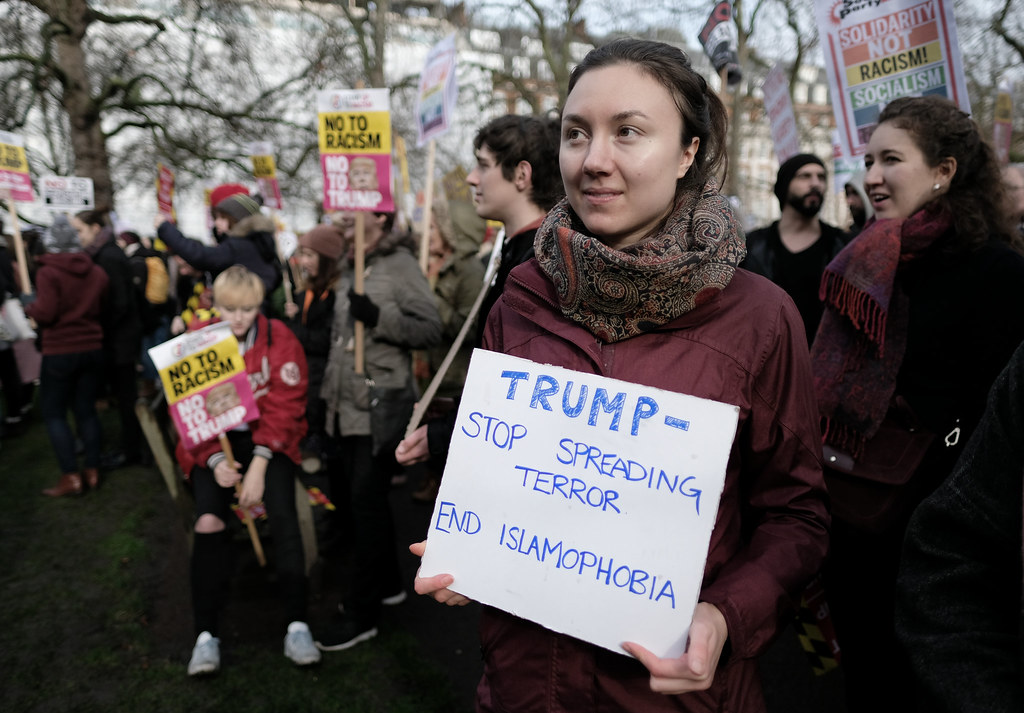
The Trump Islamophobia rally in Michigan has sparked significant controversy. This event has intensified discussions about the implications of such rhetoric on community relations and political discourse.
Overview of the Rally
The recent Trump Islamophobia rally held in Michigan has sparked significant controversy and debate. Attended by a large crowd, the event featured former President Donald Trump, who focused heavily on issues related to immigration and Islam. His rhetoric has been criticized for fueling tensions and fostering an environment of fear among various communities.
During the rally, Trump made several statements aimed at his political opponent, Abdul El-Sayed, who is of Muslim descent. Critics argue that Trump’s remarks were not only politically motivated but also served to reinforce harmful stereotypes about Muslims in America. Many attendees expressed their support for Trump’s hardline stance on immigration, while others voiced their disapproval, highlighting the divisive nature of such rhetoric.
Key points discussed at the rally included:
- Immigration policies: Trump’s proposals to tighten borders and limit immigration.
- Community reactions: Widespread condemnation from civil rights groups.
- Impact on local politics: The rally’s potential influence on upcoming elections.
The Trump Islamophobia rally has undoubtedly left an imprint on the political landscape, raising questions about tolerance and inclusivity in America.
Key Moments from the Event
During the Trump Islamophobia rally in Michigan, several key moments stood out, drawing both applause and controversy from attendees and observers alike.
- Opening Remarks: Trump began the rally by emphasizing his stance on immigration, which he claimed was tied to national security. His rhetoric aimed to resonate with his base, framing the issue as a matter of safety.
- Attacks on Abdul El-Sayed: The former president directed sharp criticisms at Abdul El-Sayed, the Muslim candidate running for Senate, portraying him as an embodiment of what he called “radical policies.” This was met with mixed reactions from the crowd.
- Audience Reactions: Throughout the event, attendees expressed their approval or disapproval vocally, highlighting the polarized views on Islam and immigration. Some supporters cheered enthusiastically, while others voiced their discontent with signs and chants.
- Closing Statements: In his closing remarks, Trump reiterated his commitment to combating what he termed “Islamic extremism,” framing it as a critical issue for the upcoming election.
These moments encapsulated the rally’s focus on Islamophobia and the broader implications for political discourse in America.
Reactions from the Community
The recent Trump Islamophobia rally has sparked a wave of reactions from various community leaders and organizations. Many expressed concern over the rhetoric used during the event, which they believe may contribute to rising tensions between different cultural groups.
- Local Muslim Organizations: Several local Muslim advocacy groups condemned the rally, stating that it promotes fear and misunderstanding. They emphasized the need for unity and dialogue rather than division.
- Political Leaders: Some state officials criticized Trump’s comments, arguing that they undermine efforts to foster a more inclusive society. They called for a response that prioritizes respect and understanding among diverse communities.
- Community Activists: Grassroots activists organized counter-events to promote peace and solidarity. They believe that the Trump Islamophobia rally does not represent the values of the community.
In response to the uproar, many community members are urging for constructive conversations about Islam and its contributions to society. They hope to bridge the gap created by divisive rhetoric and promote a culture of acceptance.
Expert Opinions on Islamophobia
Experts on social and political issues have weighed in on the recent Trump Islamophobia rally, emphasizing the potential long-term effects on community relations and public discourse. Many analysts argue that such rhetoric can exacerbate existing tensions and foster an environment of fear and division.
Dr. Amina Malik, a sociologist specializing in race relations, stated, “Rallies like this not only target specific groups but also encourage a broader culture of intolerance. When leaders use inflammatory language, it can have a ripple effect throughout society.”
Professor James Whitmore, a political analyst, noted the strategic implications of the rally. “By framing his message around Islamophobia, Trump aims to galvanize his base for upcoming elections. This tactic, while effective in rallying support, poses serious risks to social cohesion.”
Moreover, community leaders expressed concern over the rally’s impact on local Muslim populations. Fatima Khan, a community advocate, explained, “Events like the Trump Islamophobia rally create an atmosphere where discrimination can thrive. It’s vital for us to counteract this negativity with messages of unity and understanding.”
As discussions continue, the consensus is that the ramifications of such rallies extend far beyond the event itself.
Political Implications of Trump’s Rhetoric
The political implications of Trump’s rhetoric during the Trump Islamophobia rally are significant and far-reaching. By openly expressing views that resonate with Islamophobic sentiments, he attempts to solidify his base while potentially alienating moderate voters.
Many political analysts argue that such rhetoric can embolden fringe groups that harbor anti-Muslim sentiments, leading to an increase in hate crimes and discrimination. This rally, in particular, highlighted a growing trend where inflammatory language is used as a tool to mobilize support.
Key implications include:
- Polarization: Trump’s remarks may further divide the electorate along cultural and religious lines.
- Voter Mobilization: His rhetoric could energize both his supporters and opponents, leading to increased voter turnout.
- Policy Impact: Rhetoric that stigmatizes a particular community could influence policy decisions at local and national levels.
As the political landscape continues to evolve, the repercussions of the Trump Islamophobia rally will likely be felt well beyond the event itself, shaping discussions around immigration, civil rights, and national identity.
Comparing Past and Present Campaigns
In recent years, political rallies have increasingly become platforms for the propagation of divisive sentiments, with the Trump Islamophobia rally in Michigan serving as a notable example. Comparing past campaigns, one can observe a shift in the rhetoric surrounding Islam and its followers. In earlier elections, candidates like Barack Obama and George W. Bush emphasized inclusivity and respect towards Muslim communities, often highlighting the contributions of Islam to American society.
However, the tone has evolved significantly. Today’s rallies, particularly those led by Trump, often feature inflammatory language that fuels fear and suspicion against Muslims. This stark contrast raises important questions about the impact of such rhetoric on public perception and policy.
- 2016 Campaign: Trump frequently targeted Muslim communities, associating them with terrorism.
- 2020 Campaign: Continued to amplify Islamophobic sentiments, framing them as national security concerns.
- Current Rally in Michigan: Focused on attacking Abdul El-Sayed, a Muslim candidate, further embedding Islamophobia in political discourse.
The ramifications of these shifts are profound, influencing not only electoral outcomes but also societal attitudes towards Islam and its adherents.
Future of Muslim Representation in Politics
The recent Trump Islamophobia rally has sparked significant discussions about the future of Muslim representation in politics. As public sentiment shifts in response to such events, the implications for Muslim candidates and their supporters are profound.
Historically, representation has been crucial for marginalized communities, allowing their voices to be heard and their concerns addressed. However, the rhetoric employed during the rally raises concerns about the potential backlash against Muslim politicians like Abdul El-Sayed, who ran for office in Michigan.
Several factors will influence the future landscape of Muslim representation:
- Voter Mobilization: Increased engagement from Muslim communities can counteract negative sentiments and foster a more inclusive political environment.
- Coalition Building: Partnerships with other minority groups may enhance visibility and support for Muslim candidates.
- Media Representation: Positive portrayals of Muslim individuals in the media can help shift perceptions and encourage broader acceptance.
- Policy Advocacy: Focusing on issues that resonate with the electorate can help Muslim politicians gain traction.
Ultimately, the impact of the Trump Islamophobia rally may serve as a turning point, galvanizing efforts toward greater representation and inclusion in the political arena.
By alisdare1 via Openverse
References
Talarico Elon Musk rivalry: Is it the Worst Political Feud? · Trump Murkowski: Disgraceful Comments on Voting System · Neymar red card incident: Was it the worst disrespectful act?


